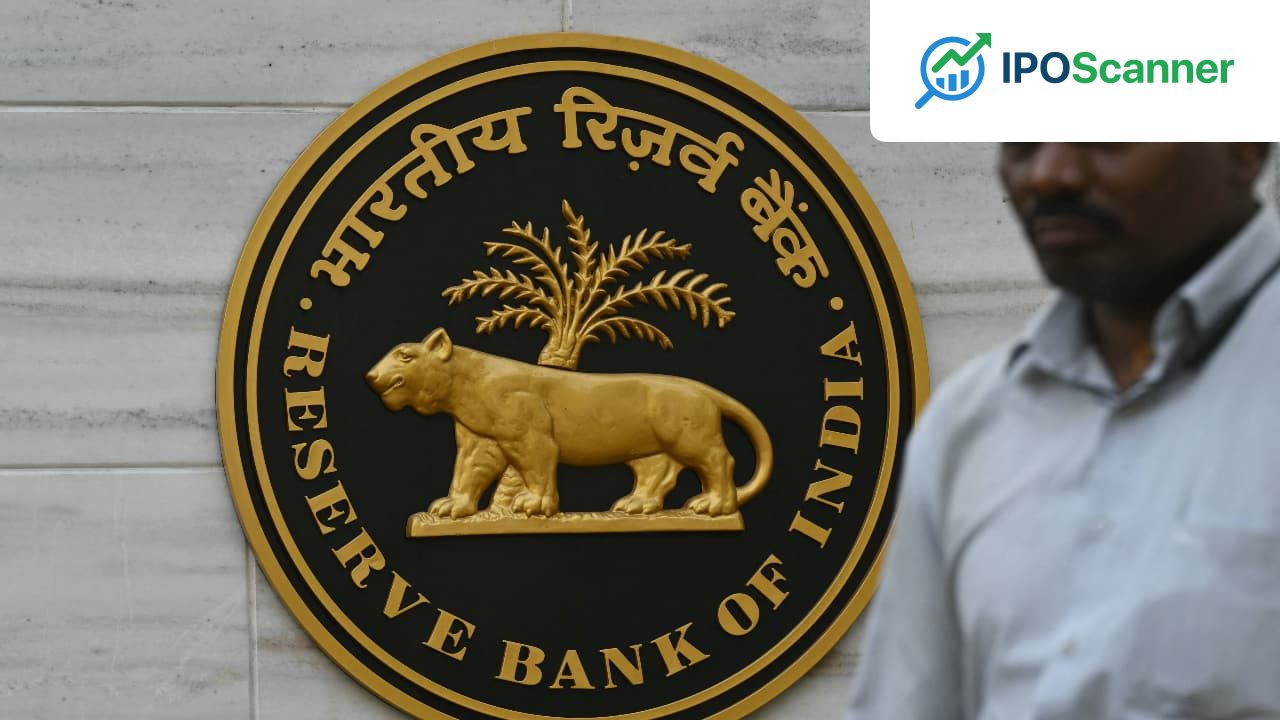
India's Economy Shows Resilience Amid Rising Geopolitical Tensions
Reserve Bank Deputy Governor Highlights Banking Resilience Amid Geopolitical Uncertainties
India's economic activity has demonstrated resilience, fueled by the growth of the industrial and services sectors, broad-based demand, and improving corporate performance, despite geopolitical uncertainties, according to Reserve Bank Deputy Governor Swaminathan J.
In a speech at the School of International and Public Affairs (SIPA), Columbia University, on Monday, the deputy governor also noted that inflation is within the RBI's tolerance band, and external vulnerabilities remain manageable. The Reserve Bank of India (RBI) posted his speech on 'Resilience by Design: Lessons from India’s Banking Sector' on its website on Wednesday.
Swaminathan emphasized that India today stands on a relatively strong macroeconomic footing. "Even amid geopolitical uncertainty, supply-chain disruptions and volatile commodity conditions, domestic economic activity has shown resilience, supported by strength in industrial and services activity, broad-based demand and improving corporate performance," he said.
Read also: Treasury Yields Experience Largest Increase in Two Weeks Following Release of Labor Market Data
The Indian financial system enters this uncertain phase with strength, characterized by healthier balance sheets, comfortable capital buffers, improved profitability, and non-performing assets at multi-decade lows. However, banking resilience does not arise automatically from growth or favourable conditions. It has to be designed at multiple levels: in the rules that govern banks, in the supervisory systems that detect vulnerabilities, in the resolution architecture that addresses stress, and in the behaviour of banks themselves.
India’s recent experience suggests that resilience is strongest when these elements reinforce one another. Banking resilience is not a fixed achievement and it is a continuing institutional project. "As India's recent experience has shown, it is built through discipline across the balance sheet and beyond, transparent recognition of stress, balance sheet strengthening, calibrated and adaptive regulation, and responsible conduct within banks," Swaminathan said.
Strong banks require capital and technology, but they also require judgment, governance, accountability, and institutions that learn, the Deputy Governor said.
Investor Takeaway
India's economy shows resilience despite geopolitical tensions.
More in Economy

Treasury Yields Experience Largest Increase in Two Weeks Following Release of Labor Market Data

US-Iran Tensions Spark Uptick in Oil Prices Amid Global Market Decline

MoSPI Releases Uniform Norms for DDP Estimates with 2022-23 Base Year

