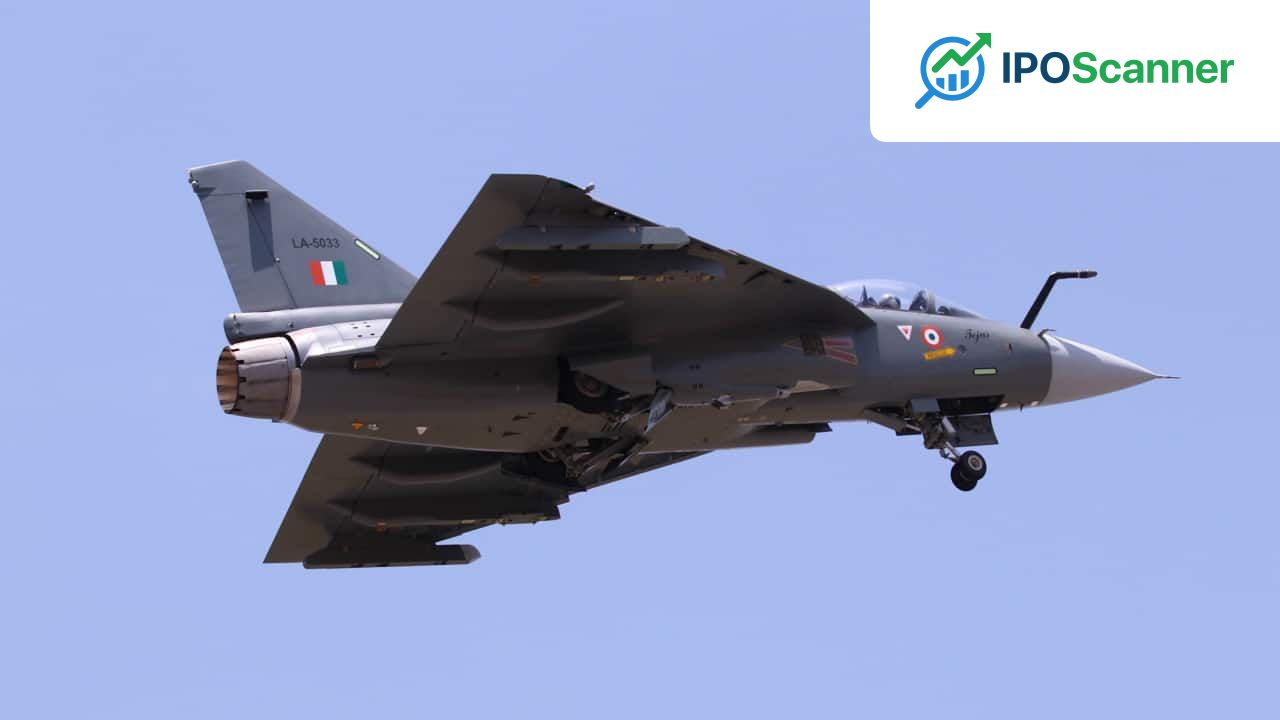
India's Defence Ministry Awards Combat Aircraft Contract to Private Sector in Major Shift for Domestic Military-Industrial Complex
India's Defence-Industrial Ecosystem Undergoes a Consequential Shift
India's decision to open the Advanced Medium Combat Aircraft (AMCA) programme to private sector participation marks a significant inflection point in the evolution of the country's defence-industrial ecosystem. This move reflects a deeper strategic recalibration in New Delhi's approach to military modernisation, technological self-reliance, and state-market relations in the defence sector.
The Origin of the AMCA Process
In May 2025, the Ministry of Defence approved a new "Programme Execution Model" for the AMCA, India's indigenous fifth-generation stealth fighter programme. Under this framework, the Aeronautical Development Agency (ADA), functioning under the DRDO, invited bids from Indian firms - public and private alike - for the development and manufacture of AMCA prototypes. For the first time, India's most ambitious aerospace programme had been opened to competitive participation on terms that placed private industry alongside, and in some respects ahead of, the traditional public sector establishment.
Read also: Expert Portfolio Manager Raja Venkatraman Names Top Investment Picks for June 4
| Company | Consortium Members |
|---|---|
| Tata Group | Independent bidder |
| Bharat Forge | BEML (DPS), Data Patterns |
| L&T | BEL (DPSU), Dynamatic Technologies |
The response from industry underscored how profoundly India's defence landscape has changed over the last decade. Companies such as Tata Advanced Systems, L&T, and Bharat Forge entered the fray through various consortia arrangements. The ADA has issued a Request for Proposal (RFP) to three shortlisted bidders - all led by private sector players - for the development of prototypes of India's fifth-generation fighter aircraft.
Undoing PSU Monopoly
The message from New Delhi is unmistakable: India is now willing to place its most ambitious strategic aerospace programme in the hands of a competitive and increasingly capable private sector, marking a decisive departure from the era of unquestioned public-sector primacy in defence manufacturing. The Indian Air Force has repeatedly expressed concerns regarding delays in legacy procurement and indigenous production pipelines, particularly with respect to the Tejas Mk1A programme. India's combat squadron strength continues to remain under pressure even as regional security competition intensifies.
AMCA Ambition: A Milestone in the Quest for Strategic Autonomy
The AMCA itself represents a leap in technological ambition. Conceived as a twin-engine stealth fighter with supercruise capability, advanced AESA radar, sensor fusion, internal weapons bays, and low-observable characteristics, the aircraft is intended to place India within the small group of states capable of producing indigenous fifth-generation combat platforms. The strategic implications are immense. In an era where air power increasingly defines deterrence credibility, technological dependence carries serious geopolitical costs. India's reliance on foreign suppliers - whether Russian, American, or French - has repeatedly exposed it to delays, conditionalities, and shifting geopolitical calculations.
A Calculated Gamble
Developing a fifth-generation fighter aircraft is among the most technologically demanding undertakings in modern industrial history. Even established aerospace powers have struggled with cost overruns, integration challenges, and technological bottlenecks. Indian private firms may possess manufacturing depth and managerial agility, but they still lack HAL's historical experience in full-spectrum aircraft integration and testing. Coordination between private manufacturers, ADA, DRDO laboratories, and foreign technology partners will require institutional coherence of a very high order.
The Broader Strategic Logic
India is seeking to create a defence-industrial ecosystem that is competitive, technologically sophisticated, and globally relevant. The AMCA model may well become the template for future programmes involving advanced drones, next-generation armoured systems, aerospace platforms, and naval technologies. If successful, it would fundamentally alter the architecture of Indian defence production.
Investor Takeaway
India's decision to open the Advanced Medium Combat Aircraft (AMCA) programme to private sector participation may lead to increased investment in the country's defence-industrial ecosystem.
More in Market

Expert Portfolio Manager Raja Venkatraman Names Top Investment Picks for June 4

MarketSmith India's 4 June Stock Recommendations

Foreign Investors Outpace Domestic Mutual Funds in Rupee Returns Despite Record Withdrawal of $27 Billion