India's Arms Buildup: The False Promise of Affordable Defense
India's Military Power: A Balanced Approach to Preventing Wars
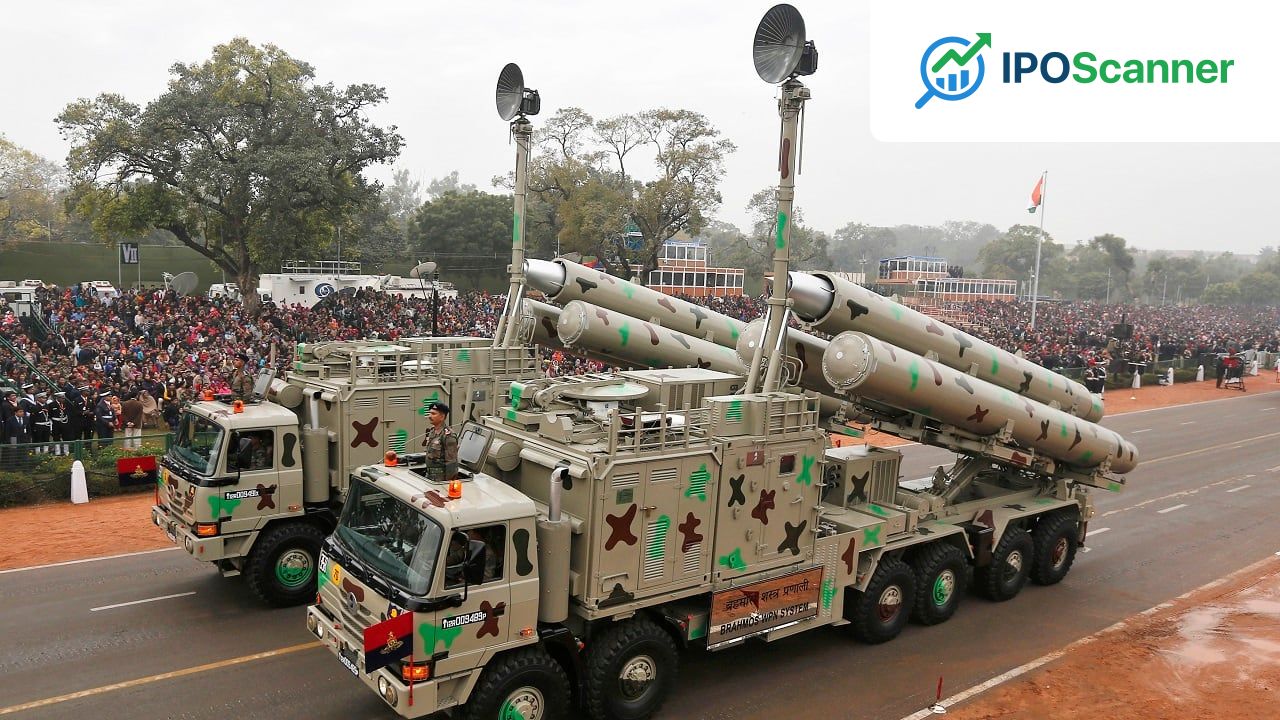
For a country of India's size, geography, and ambition, maintaining peace every day is a fundamental challenge. A major power is not defined solely by its wartime performance, but also by its ability to prevent conflicts through presence, credibility, and the capacity to shape the choices of adversaries long before a conflict begins. Military power, therefore, is not just about wartime performance, but also about peacetime influence and deterrence.
Recent debates on the future of warfare often overlook this crucial aspect, suggesting that drones, loitering munitions, and precision missiles have fundamentally altered the nature of war, making expensive military platforms obsolete. Proponents of this view point to the battlefields of Ukraine, missile and drone attacks by Iran, and the Azerbaijan-Armenia conflict as proof. However, this argument is deeply misleading.
The Limits of Cheap Systems
Read also: India to Acquire Largest Military Drone Fleet Worth Over $2 Billion from Domestic Manufacturers
Wars are not won by the cheapest system on the battlefield, but by the side that can control territory, dominate escalation, and sustain combat longer than its adversary. None of these functions have been replaced. Recent conflicts expose what happens when conventional military power is absent, imbalanced, or poorly integrated. Armenia did not lose because tanks became irrelevant; it lost because it could not see, defend, or respond in time. Ukraine has not endured through drones alone, but through artillery, logistics, intelligence, and sustained industrial backing.
| Conflict | Conventional Military Power | Drones/Missiles |
|---|---|---|
| Armenia-Azerbaijan | Absent/Imbalanced | Limited Effectiveness |
| Ukraine | Effective | Augmented Effectiveness |
| Iran-US | Imbalanced | Limited Effectiveness |
Cheap systems can impose costs, but they do not hold ground, control escalation, or compel political results. Those functions still rest on conventional military power. Moreover, no two wars are the same, and wars are guided by political objectives that vary.
India's Challenges
Read also: Indian Rupee Weakens Amid Concerns Over Sustained Relief Without Inflow Support
India's challenge is defined by two adversaries and two different kinds of war. With Pakistan, the logic is one of limited conflict under the nuclear shadow, where the objective is calibrated punishment to respond to provocations such as terror attacks and raise the cost of future actions. With China, the problem is entirely different, where the objective is denial, and a conflict along the Himalayas would be a contest of endurance.
The Importance of Conventional Power
Russia's experience in Ukraine reinforces the point that decisive conventional dominance is essential. Despite significant military capacity, Russia failed to achieve air superiority in the early stages of the conflict, and its logistics faltered at a critical moment, undermining momentum. What was intended as a swift campaign turned into a prolonged war of attrition.
| Country | Conventional Military Power | Asymmetric Power |
|---|---|---|
| Russia | Limited | Asymmetric Arsenal |
| Iran | Limited | Asymmetric Arsenal |
India's asymmetric arsenal has not been irrelevant, but it has forced a negotiation, imposed real economic costs, and made the conflict expensive enough that even the US has limits on how far it wants to escalate.
The Need for Balance
India's rise will bring expanding interests and responsibilities. A country on the path to becoming a $10-20 trillion economy cannot approach military power with a minimalist mindset. Its interests will extend further, its vulnerabilities will deepen, and expectations will rise. Meeting this challenge requires rejecting false choices and building a force that can operate across domains, durations, and levels of intensity.
For India, the lesson is clear: there is no shortcut to credible military power. Only a balanced, scalable, and sustainable force can secure its interests in the decades ahead.
More in Economy

India to Acquire Largest Military Drone Fleet Worth Over $2 Billion from Domestic Manufacturers
Indian Rupee Weakens Amid Concerns Over Sustained Relief Without Inflow Support

Meesho Shares Experience Eighth Consecutive Decline in Longest Post-IPO Sell-Off, What's Behind the Trend.