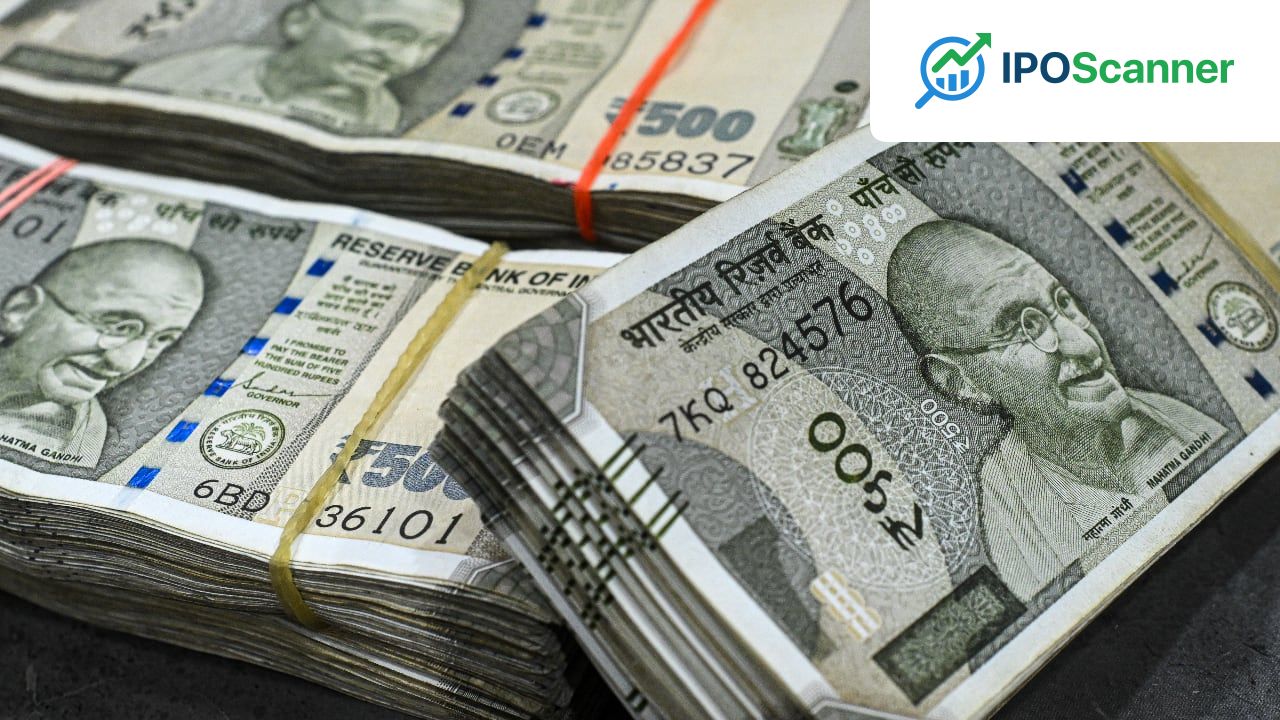
Indian Rupee Rises as Global Markets Experience Volatility Amid US-Iran Tensions
Indian Rupee Strengthens Amid Nascent Optimism on U.S.-Iran Peace Deal
The Indian rupee experienced a surge this week, driven by growing optimism regarding a potential U.S.-Iran peace deal. However, renewed hostilities in the region threatened to undermine this positive outlook for Asian currencies. The rupee's volatility expectations increased as investors anxiously await the next development in the ongoing conflict, which has had a significant impact on the macroeconomic outlook for oil-importing countries like India.
The conflict, which has been ongoing for over two months, led to a flare-up in fighting on Thursday. Despite U.S. President Trump's statement that a ceasefire is still in effect, the rupee declined to nearly 94.70 against the dollar before recovering to end the session at 94.40, representing a 0.4% increase week-on-week. This decline was relatively minor compared to the previous close, with the rupee falling by just 0.2%.
The 1-month implied volatility for the dollar-rupee rose to 5.7%, the highest level since mid-April. This increase in volatility is a reflection of the market's heightened uncertainty regarding the outcome of the U.S.-Iran conflict. On Friday, price action on the rupee exhibited a "swing like feel," with support consistently emerging around 94.40, while state-run banks were active around the 94.70 mark.
Read also: Treasury Yields Experience Largest Increase in Two Weeks Following Release of Labor Market Data
If optimism on a U.S.-Iran deal proves misplaced, the dollar would have significant room to recover, with analysts at ING suggesting that investors may become more cautious and less aggressive in their de-escalation trades. India is particularly vulnerable to the economic risks associated with a prolonged conflict in the Middle East, given its reliance on imported energy. As a result, the country's energy imports are heavily influenced by global events.
The impact of the conflict was evident in the decline of shares in Mumbai, which fell by 0.6%. The yield on the 10-year benchmark note also rose by 4 basis points. With the U.S. labor market report due later in the day, investors will be closely watching this key economic indicator. Next week, attention will focus on India's consumer inflation data for April, alongside news-flow surrounding the Iran war.
| Indicator | Value | Change |
|---|---|---|
| Rupee to Dollar | 94.40 | -0.2% |
| 1-Month Implied Volatility (Dollar-Rupee) | 5.7% | |
| Brent Crude Price | $100.7 | -7% |
| Mumbai Shares | -0.6% | |
| 10-Year Benchmark Note Yield | +4 basis points |
Investor Takeaway
Investors should remain cautious and monitor the situation for potential market volatility.
More in Economy

Treasury Yields Experience Largest Increase in Two Weeks Following Release of Labor Market Data

US-Iran Tensions Spark Uptick in Oil Prices Amid Global Market Decline

MoSPI Releases Uniform Norms for DDP Estimates with 2022-23 Base Year

