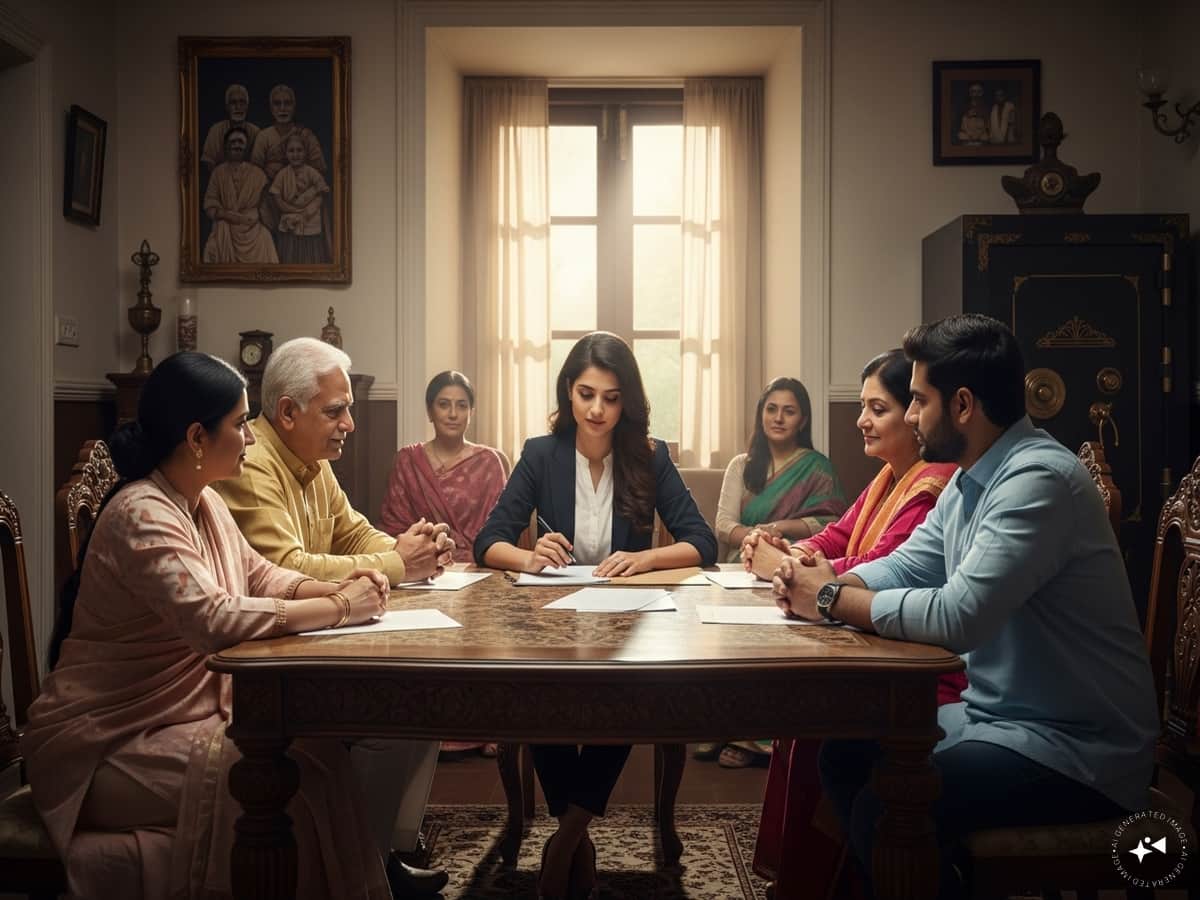
Indian HUF Law Change Raises Questions About Property Ownership and Succession Rights
Hindu Undivided Family (HUF) Structure and the Role of the Karta
Key Changes in Hindu Succession Law
Over the past two decades, significant changes have been made to Hindu succession law, allowing daughters to become Kartas of a Hindu Undivided Family (HUF) under certain circumstances. This shift has been facilitated by the Hindu Succession (Amendment) Act, 2005, which granted daughters the same coparcenary rights as sons.
Daughters as Coparceners and Kartas
Prior to the 2005 amendment, only sons were recognized as coparceners in a HUF, with the eldest male member traditionally serving as the Karta. However, the amendment granted daughters coparcenary rights by birth, making them eligible to become Kartas if they are the senior-most coparcener in the family. This means that the role of Karta is determined by seniority among coparceners, rather than gender.
Courts' Interpretation of Karta's Role
Recent court decisions, including those by the Delhi High Court, have confirmed that the role of Karta is not restricted by gender but by seniority. If a woman is the senior-most coparcener, she can manage the HUF's affairs, control its property, take financial decisions, and represent the HUF in legal and tax matters.
Wives as Members but Not Coparceners
Read also: Missing a Single EMI Payment Can Adversely Impact Credit Profile
Despite the reforms, wives cannot become Kartas because they do not qualify as coparceners. They become members of their husband's family upon marriage but do not acquire coparcenary rights. This distinction is crucial to understanding the structure of an HUF.
Member vs Coparcener: Key Distinction
A member of a HUF is someone who is part of the family but not born in it, whereas a coparcener is a person who acquires a legal right in ancestral property by birth. Coparceners have stronger legal rights over family property, including the right to demand partition and direct ownership.
Karta's Responsibilities
The Karta is the head of the HUF and manages all its affairs, carrying both authority and fiduciary responsibility. The Karta has power over income and expenditure, is the custodian of surplus, and is responsible for expenses towards maintenance, education, and other family needs.
Evolution of Women's Roles in HUFs
The recognition of daughters as coparceners has significantly expanded their role in family wealth structures. While wives remain members rather than coparceners, daughters now have equal rights in ancestral property and can lead the HUF if they are the senior-most coparcener. This shift reflects India's gradual movement toward greater gender parity in inheritance and property rights.
More in General

Correcting Credit Score Errors: A Guide to Ensuring Accurate CIBIL Reports and Optimal Loan Eligibility

Missing a Single EMI Payment Can Adversely Impact Credit Profile

EPF Withdrawal Comes with Tax Implications: A Guide to Understanding the Consequences