Indian CEO Stranded in Kuwait as Flight Diverted Amid Middle East Conflict
Financial Impact of Middle East Conflict on Air Travel
Summary
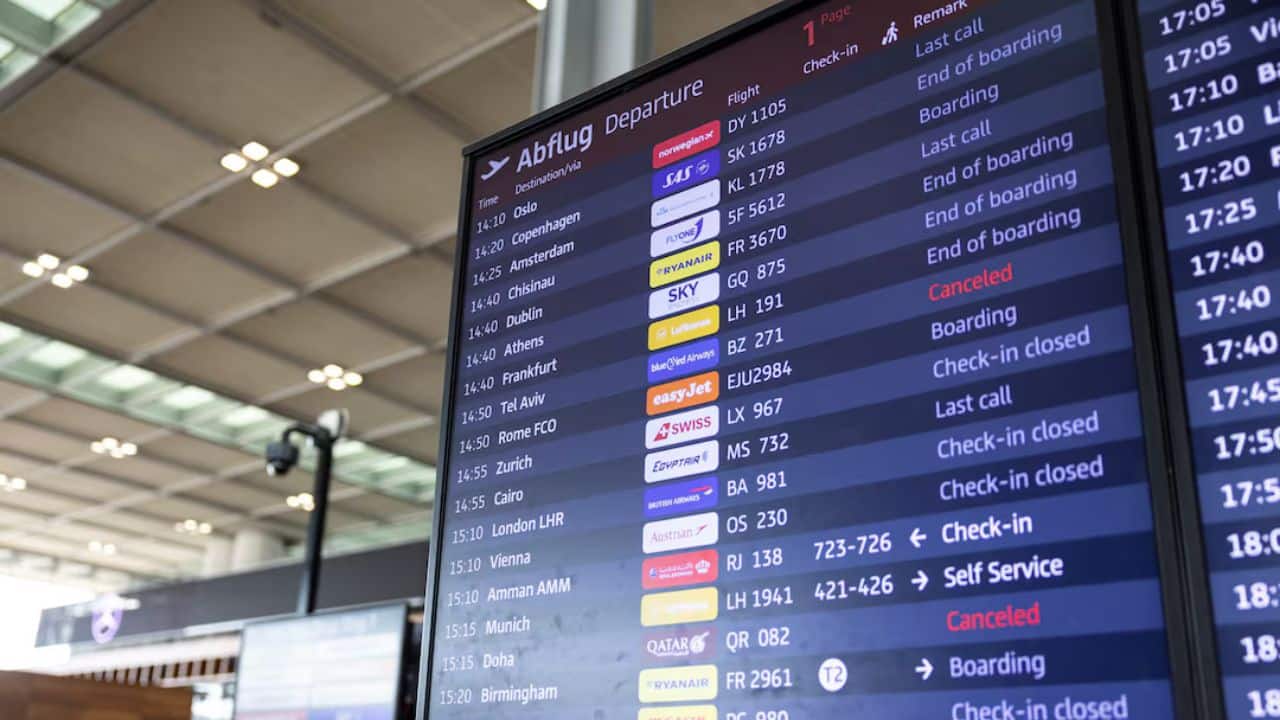
A recent conflict in the Middle East has led to significant disruptions in air travel, affecting thousands of passengers. Sanjay Varnwal, CEO and co-founder of Spyne, was among those stranded at Kuwait International Airport after his connecting flight to New York was forced to return mid-air due to sudden airspace closures.
Key Statistics
Read also: Kumar Mangalam Birla to Address Concluding Function of RSS Training Camp
- 1,000 passengers were estimated to be stranded at Kuwait International Airport.
- 3-4 hotels were arranged to accommodate stranded passengers by 10 pm.
- February 28th was the date when the airspace closures occurred, affecting flights across the Gulf.
Event Timeline
- February 28th, 3 am: Sanjay Varnwal boarded a flight from Delhi to Kuwait.
- February 28th, 8:45 am: The flight took off from Kuwait, but was forced to return after 45 minutes due to Iraqi airspace closures.
- 1:30 pm: Kuwait Airways announced a revised departure time, but hours went by without any update.
- 3 pm: Airline staff announced that planes were grounded and flights could not operate.
- 5 pm: Travellers were informed that hotel accommodation would be arranged.
- 10 pm: Passengers were checked into 3-4 hotels across the city.
Industry Impact
Read also: The Cost of Healthcare: Why Predictability in Medical Inflation is Crucial for Health Insurance
The conflict has highlighted the vulnerability of air travel to geopolitical tensions. Kuwait Airways and other airlines operating in the region may face significant financial losses due to the disruptions. The incident also underscores the importance of contingency planning and emergency preparedness for airlines and passengers.
More in General
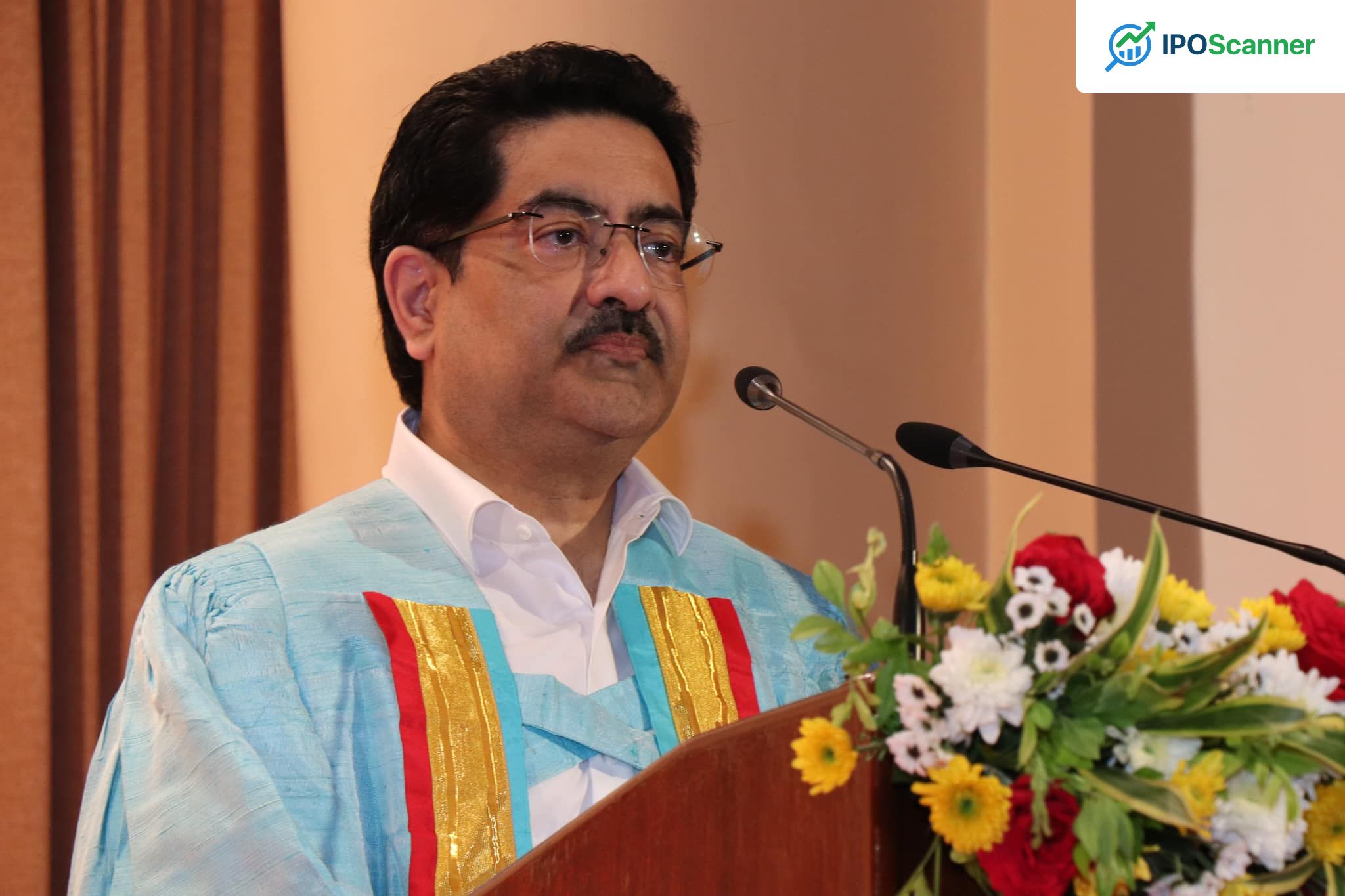
Kumar Mangalam Birla to Address Concluding Function of RSS Training Camp

The Cost of Healthcare: Why Predictability in Medical Inflation is Crucial for Health Insurance

Former Google Executive Warns AI Risks Stem from Human Misuse, Not Technological Limitations