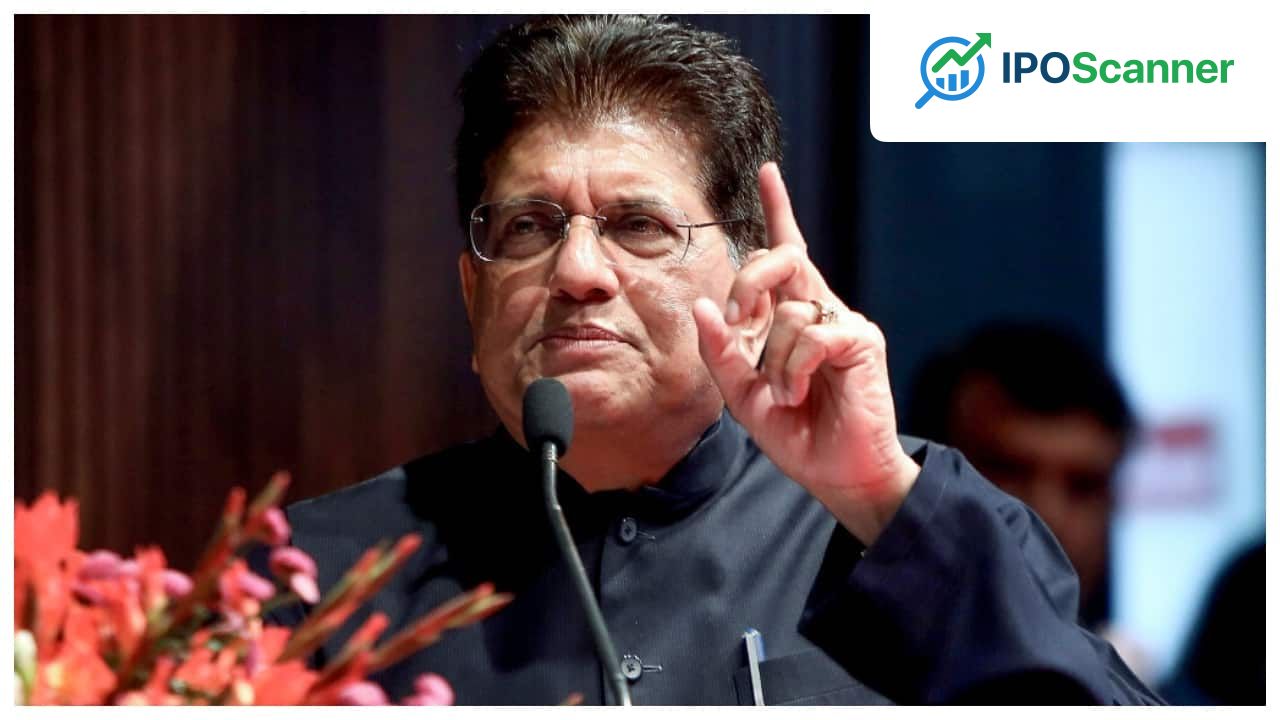
India Sees Boost in Global Trade Amid Optimism for New Era of Economic Growth
India's Trade Position Strengthens Despite Global Pressures
Key Highlights:
- 2026, India is poised to enter a new phase in global trade, with Union Commerce and Industry Minister Piyush Goyal stating that the country's trade trajectory remains resilient despite near-term pressures.
- February 2026, India's merchandise exports saw some weakness, driven by disruptions such as shipping constraints, higher freight costs, and insurance challenges.
- However, March 2026 saw a positive trend in exports, with goods exports expected to hold steady by month-end.
Resilience in Services Exports
Read also: Treasury Yields Experience Largest Increase in Two Weeks Following Release of Labor Market Data
India's export story is not solely dependent on merchandise trade. Services exports have been expanding consistently over the past three to four years, providing a steady cushion against volatility in goods trade. In February 2026, services exports helped offset pressures from global logistics disruptions.
Stable Trade Deficit
Looking at goods and services together, India's trade deficit remains moderate. The combined deficit has largely stayed around 1-1.25% of GDP annually. The current account balance must be viewed holistically, factoring in multiple components, including merchandise trade deficit, services surplus, remittance inflows, and foreign direct investment.
Focus on Competitive Advantage
Read also: US-Iran Tensions Spark Uptick in Oil Prices Amid Global Market Decline
The government's strategy is to expand exports based on India's strengths, focusing on sectors and services where India holds a competitive edge. The approach is to look at exports more broadly, identifying goods and services that allow India to stand strong in global competition.
New Markets through FTAs
India has significantly expanded its global trade footprint over the past three to three-and-a-half years, opening access to 38 developed markets. Free trade agreements (FTAs) with high-income economies offer a structural advantage, as such countries are less likely to compete directly with India on cost. As these agreements become operational, including a proposed deal with the UK, new export avenues are expected to emerge.
Opportunities for MSMEs, Farmers, and New Exporters
The expanding trade architecture is expected to benefit a wide spectrum of stakeholders, including micro, small, and medium enterprises (MSMEs), farmers, and new exporters. The opening of new markets is expected to drive demand for both traditional goods and new-age services.
Robust Macroeconomic Fundamentals
Despite global uncertainty, India's macroeconomic fundamentals remain robust. Sustained investor interest, record FDI inflows, and growing global enthusiasm to deepen trade ties with India are key indicators of confidence.
Investor Takeaway
Investors should remain optimistic about India's potential for economic growth despite near-term trade pressures.
More in Economy

Treasury Yields Experience Largest Increase in Two Weeks Following Release of Labor Market Data

US-Iran Tensions Spark Uptick in Oil Prices Amid Global Market Decline

MoSPI Releases Uniform Norms for DDP Estimates with 2022-23 Base Year

