India Posts 7.4% GDP Growth for FY23-FY26, Outpaces Major Economies
India Emerges as Fastest-Growing Major Economy in Recent Years
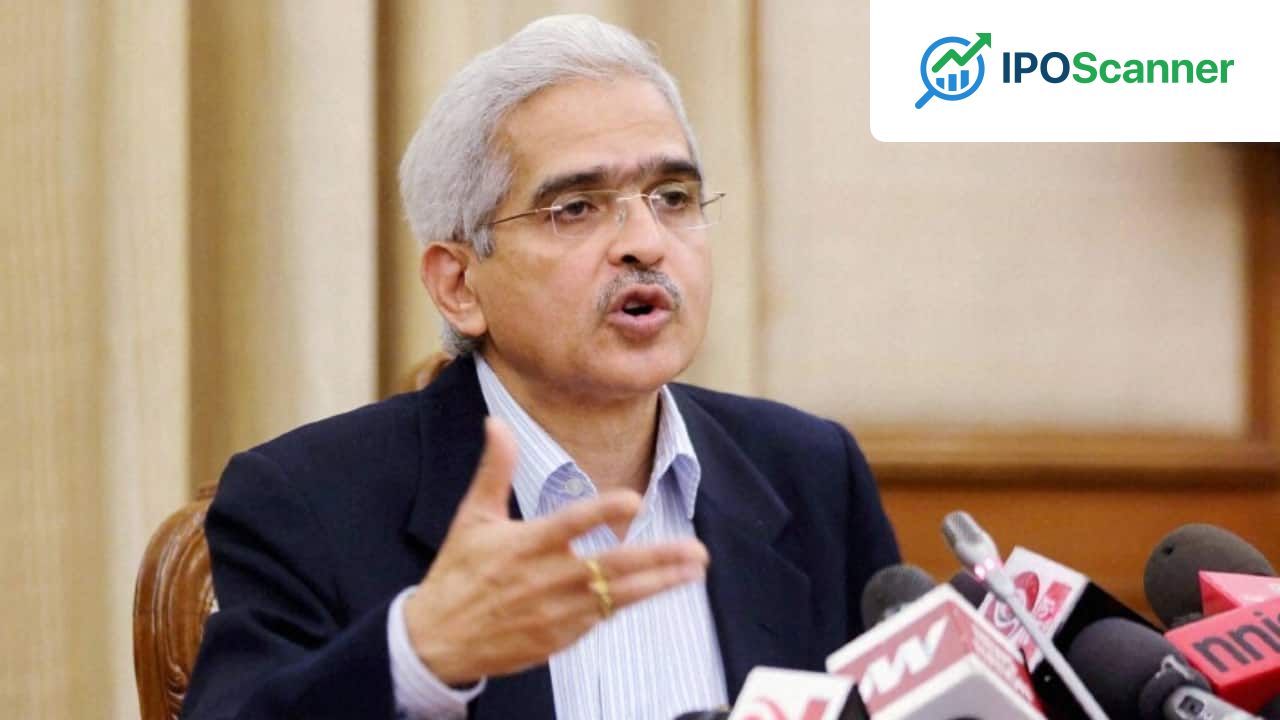
Former RBI Governor Shaktikanta Das has stated that India has successfully absorbed successive global disruptions since the Covid-19 pandemic and transformed them into opportunities, helping the country emerge as the fastest-growing major economy in recent years. Das made this observation on Monday while addressing the CII Annual Business Summit 2026 in New Delhi.
The Indian economy has recorded an average annual GDP growth of around 7.4 per cent between 2022-23 and 2025-26. According to Das, India has not only absorbed successive disruptions since the Covid-19 pandemic, but repeatedly converted every adversity into opportunity. The country's economic growth has been driven by macroeconomic stability rather than excessive leverage or overspending.
Das noted that the country's economic growth has been anchored in macroeconomic stability, characterized by contained inflation, prudent fiscal consolidation, a resilient financial system, and strong domestic demand. This growth and stability have moved "in tandem", reinforcing India's emergence as a key pillar of global growth and stability. The Centre's focus on capital expenditure and infrastructure spending has also contributed to the government's stable fiscal position.
Read also: Treasury Yields Experience Largest Increase in Two Weeks Following Release of Labor Market Data
In terms of the financial sector, Das stated that the banking system is now on a much stronger footing compared to previous business cycles due to years of balance sheet repair, improved asset quality recognition, and tighter supervisory oversight. The banking sector today stands out on a much stronger footing than in previous business cycles, with lower non-performing assets and improved capital adequacy having strengthened the financial system.
Indian corporates have also consciously deleveraged their balance sheets during and after the pandemic period by replacing high-cost borrowings with lower-cost, longer-tenure financing. This has led to better cash flow management and lower dependence on short-term debt, improving debt servicing capacity and boosting investor confidence. As a result, companies are now better positioned for fresh investments and expansion.
India has made significant progress in its clean energy transition, with the share of renewables in installed electricity generation capacity increasing from around 27.3 per cent in 2014-15 to 51.6 per cent by March 2026. Within renewables, solar power capacity has surged from 2.63 GW in March 2014 to 250.26 GW by March 2026.
| Category | 2014-15 | 2026 |
|---|---|---|
| Renewables in installed electricity generation capacity | 27.3% | 51.6% |
| Solar power capacity | 2.63 GW | 250.26 GW |
Read also: US-Iran Tensions Spark Uptick in Oil Prices Amid Global Market Decline
Das also emphasized the importance of Free Trade Agreements (FTAs) in helping Indian firms scale faster and integrate with global value chains. He urged Indian industry to capitalize on opportunities arising from FTAs by improving the quality of products and services to enhance international competitiveness. Modern FTAs, he noted, go beyond goods, unlocking gains in services, digital trade, and professional mobility.
Investor Takeaway
India's GDP growth is expected to remain strong due to macroeconomic stability.
More in Economy

Treasury Yields Experience Largest Increase in Two Weeks Following Release of Labor Market Data

US-Iran Tensions Spark Uptick in Oil Prices Amid Global Market Decline

MoSPI Releases Uniform Norms for DDP Estimates with 2022-23 Base Year

