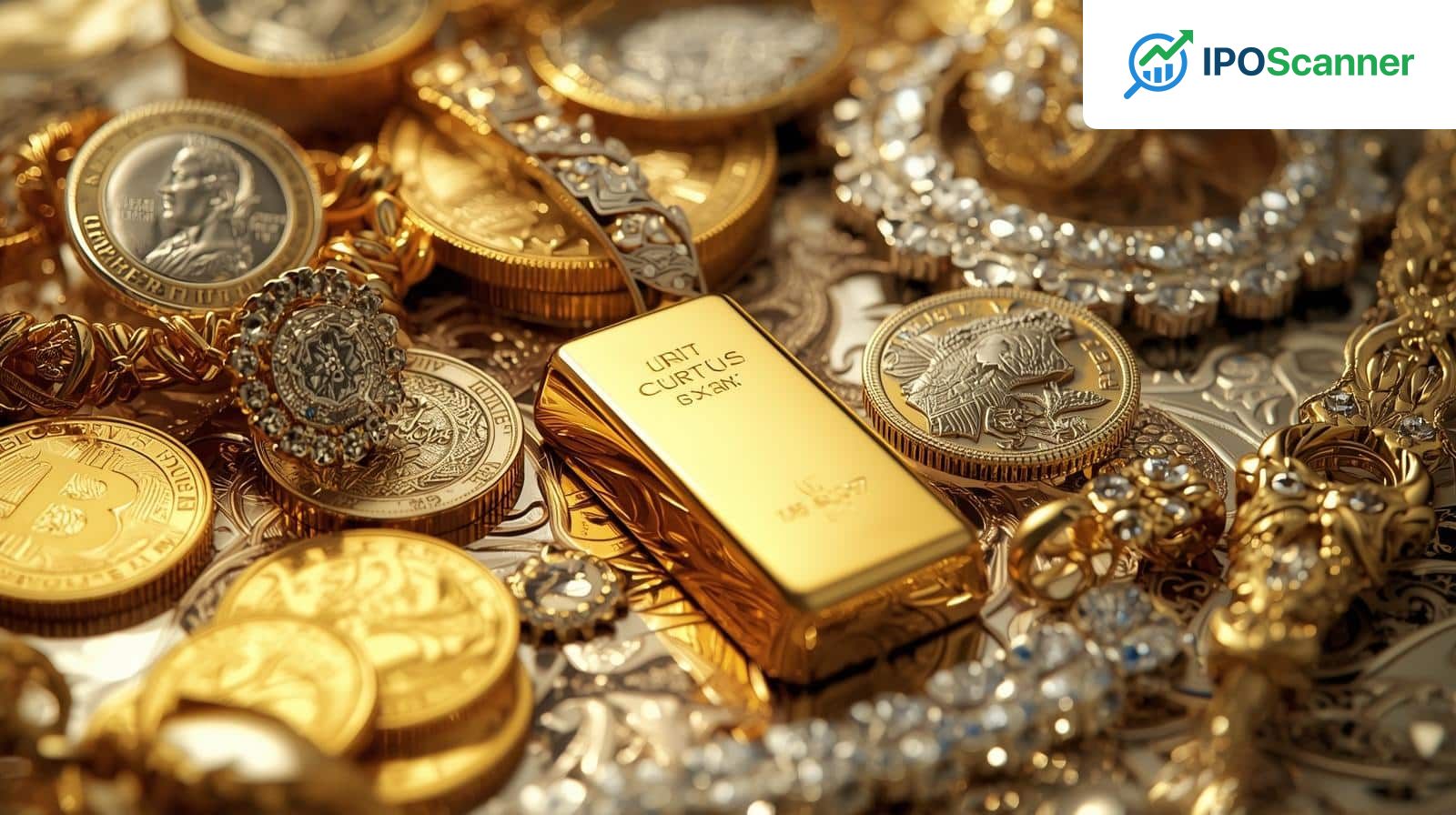
India Mulls Hike in Gold Import Duty Following PM Modi's Intervention
India's Economic Stability at Risk as Geopolitical Crisis Deepens
Prime Minister Narendra Modi's recent call for citizens to avoid non-essential gold purchases for the next one year has sparked fresh speculation over whether the government is preparing to raise import duties on gold in response to the escalating geopolitical crisis in West Asia.
Speaking at an event in Hyderabad on Sunday, Modi urged citizens to reduce fuel consumption, avoid unnecessary foreign travel, and stay away from discretionary gold buying in order to help conserve India's foreign exchange reserves and reduce pressure on the economy.
The Prime Minister's remarks are being interpreted in policy and market circles as an indication that the government may be preparing contingency measures if crude oil prices continue to rise and the external account comes under pressure. India, one of the world's largest gold importers, relies heavily on overseas purchases to meet domestic demand. Any spike in oil prices or shipping disruptions could sharply widen the country's import bill, prompting policymakers to consider steps aimed at reducing non-essential imports such as gold.
Read also: Treasury Yields Experience Largest Increase in Two Weeks Following Release of Labor Market Data
| Import Duty Options | Current Duty | Potential Hike |
|---|---|---|
| Gold Import Duty | 6% (effective) | Up to 12% (potential hike) |
The government may consider hiking customs duty on gold imports, which could discourage demand and help contain dollar outflows. At present, gold imports into India attract customs duty and other levies, taking the effective import tax to roughly 6 percent in many cases.
The speculation also comes just weeks after the Directorate General of Foreign Trade tightened import rules for multiple precious metal products under Chapter 71, shifting several categories of gold, silver, and platinum-related items from "Free" to "Restricted" with immediate effect. The April 2nd decision was aimed at plugging misuse of trade routes and tightening oversight on precious metal imports.
Modi's appeal to avoid overseas travel has also sparked discussion around possible measures to protect foreign exchange reserves, including closer scrutiny of outward remittances under the Reserve Bank of India's Liberalised Remittance Scheme (LRS), which currently allows resident Indians to remit up to $250,000 annually for travel, education, investments, and other permitted purposes.
Read also: US-Iran Tensions Spark Uptick in Oil Prices Amid Global Market Decline
Though no formal policy action has been announced so far, the Prime Minister's remarks suggest the government is closely monitoring the impact of the Iran conflict, rising energy costs, and global market volatility on India's trade balance and currency stability.
Investor Takeaway
Investors should be cautious of potential changes in gold import duties and their impact on the economy.
More in Economy

Treasury Yields Experience Largest Increase in Two Weeks Following Release of Labor Market Data

US-Iran Tensions Spark Uptick in Oil Prices Amid Global Market Decline

MoSPI Releases Uniform Norms for DDP Estimates with 2022-23 Base Year

