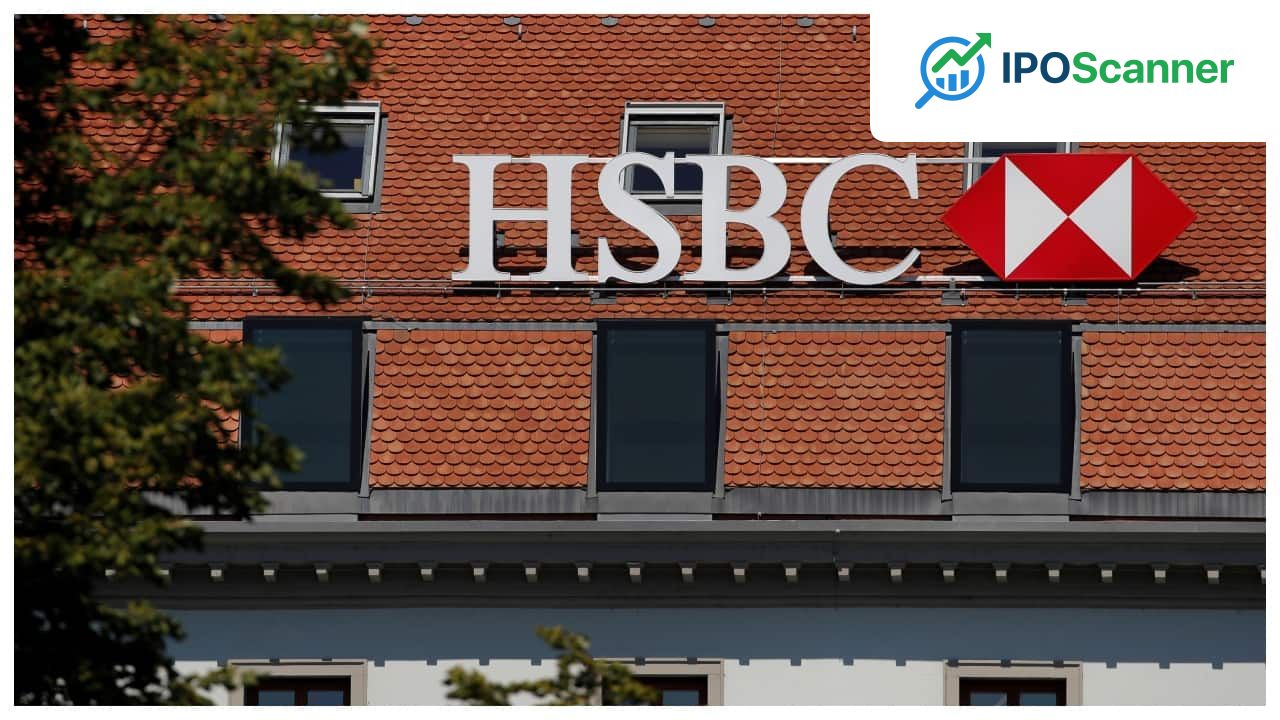
India Faces Potential $70 Billion Inflows Shortfall Amid Rupee Support Package Considerations: HSBC
India's Currency Crisis: HSBC Warns of $30-$70 Billion Funding Gap
The Indian rupee's recent decline has sparked concerns over the country's external financing needs, with HSBC estimating that India may require between $30 billion and $70 billion in additional inflows to stabilize the currency and rebuild external buffers.
Ahead of the Reserve Bank of India's (RBI) monetary policy decision on June 5, HSBC suggests that policymakers are likely to consider a broad package of measures to support the currency. This package is expected to include a combination of steps aimed at reducing the current account deficit and boosting capital inflows.
According to HSBC, India's balance-of-payments position has deteriorated sharply over the past year due to weakened capital inflows and increased energy costs. The brokerage estimates that the country recorded a balance-of-payments deficit of roughly $35 billion in FY26 and expects the deficit to widen further to around $65 billion in FY27.
| FY26 | FY27 |
|---|---|
| $35 billion | $65 billion |
The estimated deficits are particularly significant given that India has averaged a balance-of-payments surplus of about $25 billion annually over the past decade.
HSBC notes that policymakers are evaluating a range of options that could be deployed over different time horizons. Near-term measures could include faster repatriation of export earnings, a formal mechanism allowing oil-importing companies to source dollars directly from public sector banks, and the impact of recent policy actions such as higher fuel prices and increased customs duties on gold imports.
Medium-term options under discussion include subsidized external commercial borrowing windows for corporates, FCNR-style schemes to attract NRI deposits, lower tax liabilities for foreign investors in India's bond market, and possible restrictions on overseas remittances and outbound investments.
Read also: Consumers Reevaluate Spending Amid Rising Inflation and Labor Market Concerns
Longer-term measures could include additional foreign direct investment reforms and faster implementation of trade agreements with major economies, including the US, EU, and UK.
The timing of any package may depend heavily on developments in global energy markets. A reopening of shipping through the Strait of Hormuz and a decline in oil prices could reduce pressure on the rupee and delay intervention measures.
On monetary policy, HSBC expects the RBI to face a difficult balancing act between emerging inflation risks and slowing growth. While the brokerage expects inflation to rise meaningfully over the coming quarters, it believes the central bank is likely to leave the repo rate unchanged at 5.25% at this week's policy review.
| Expected Inflation (FY27) | Consensus Estimates |
|---|---|
| 5.6% | Below 5.5% |
HSBC also forecasts FY27 GDP growth of 6%, below consensus expectations, which it believes could limit the extent of future monetary tightening. The brokerage expects the RBI to eventually raise rates by a cumulative 50 basis points, with the tightening cycle beginning in the fourth quarter of calendar year 2026.
Investor Takeaway
India may face a potential $70 billion inflows shortfall, which could impact the country's balance-of-payments deficit.
More in Economy
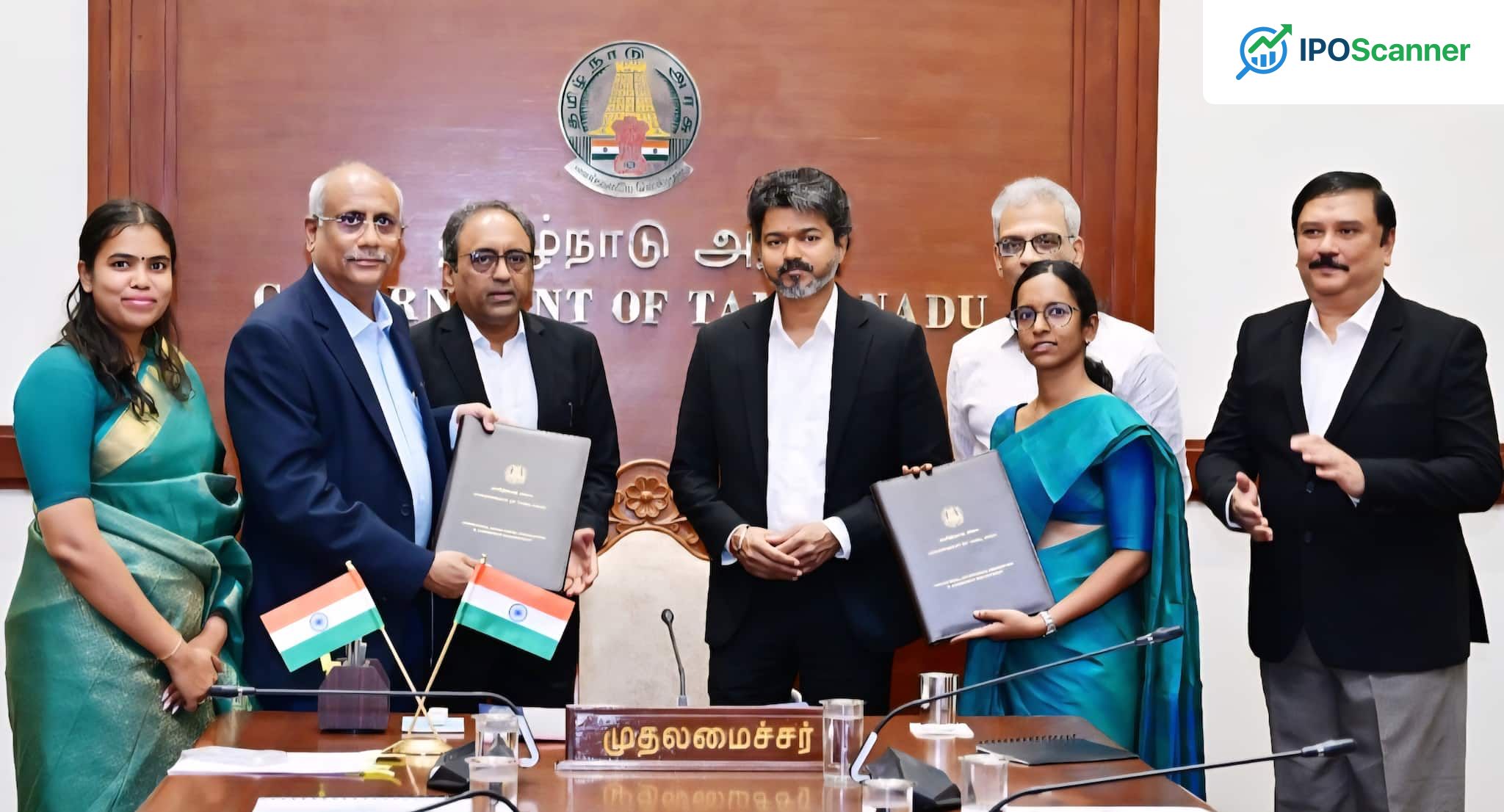
L&T Secures Rs 18,600 Crore Investment Deal with Tamil Nadu, Generating 8,200 Jobs Across Three Projects

Consumers Reevaluate Spending Amid Rising Inflation and Labor Market Concerns
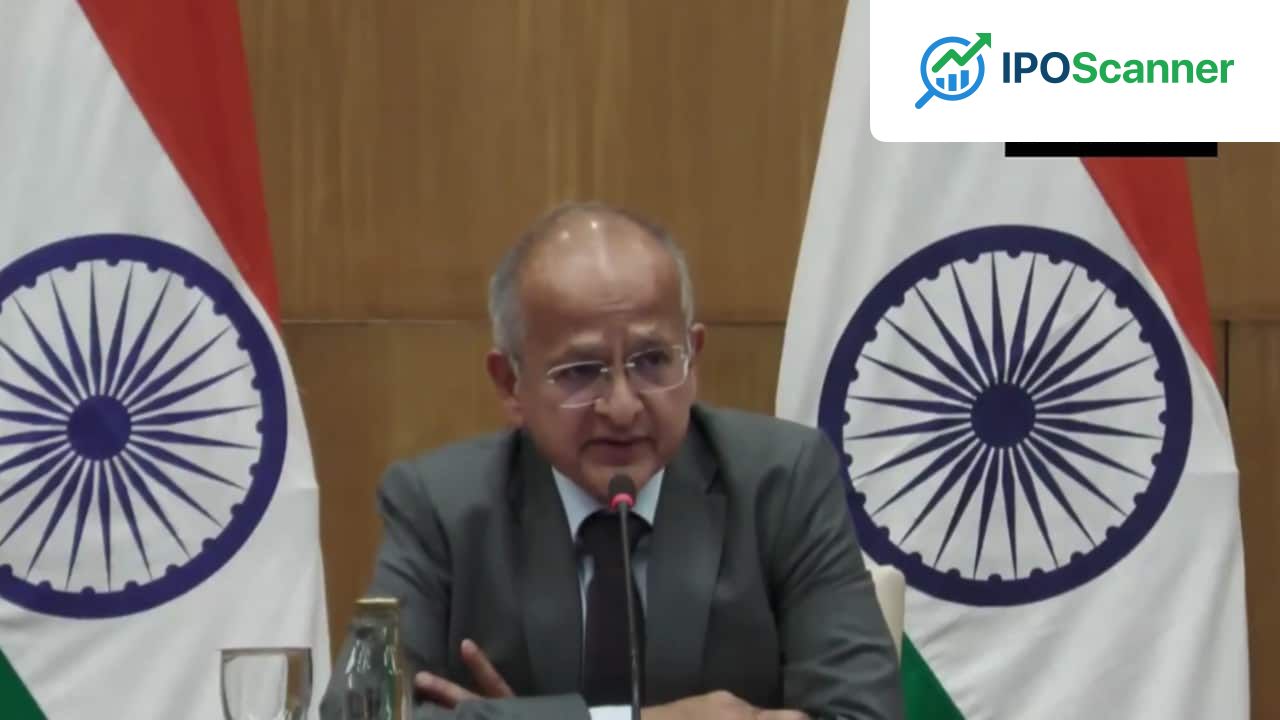
India Seeks Resolution of ONGC Dues in Talks with Venezuela