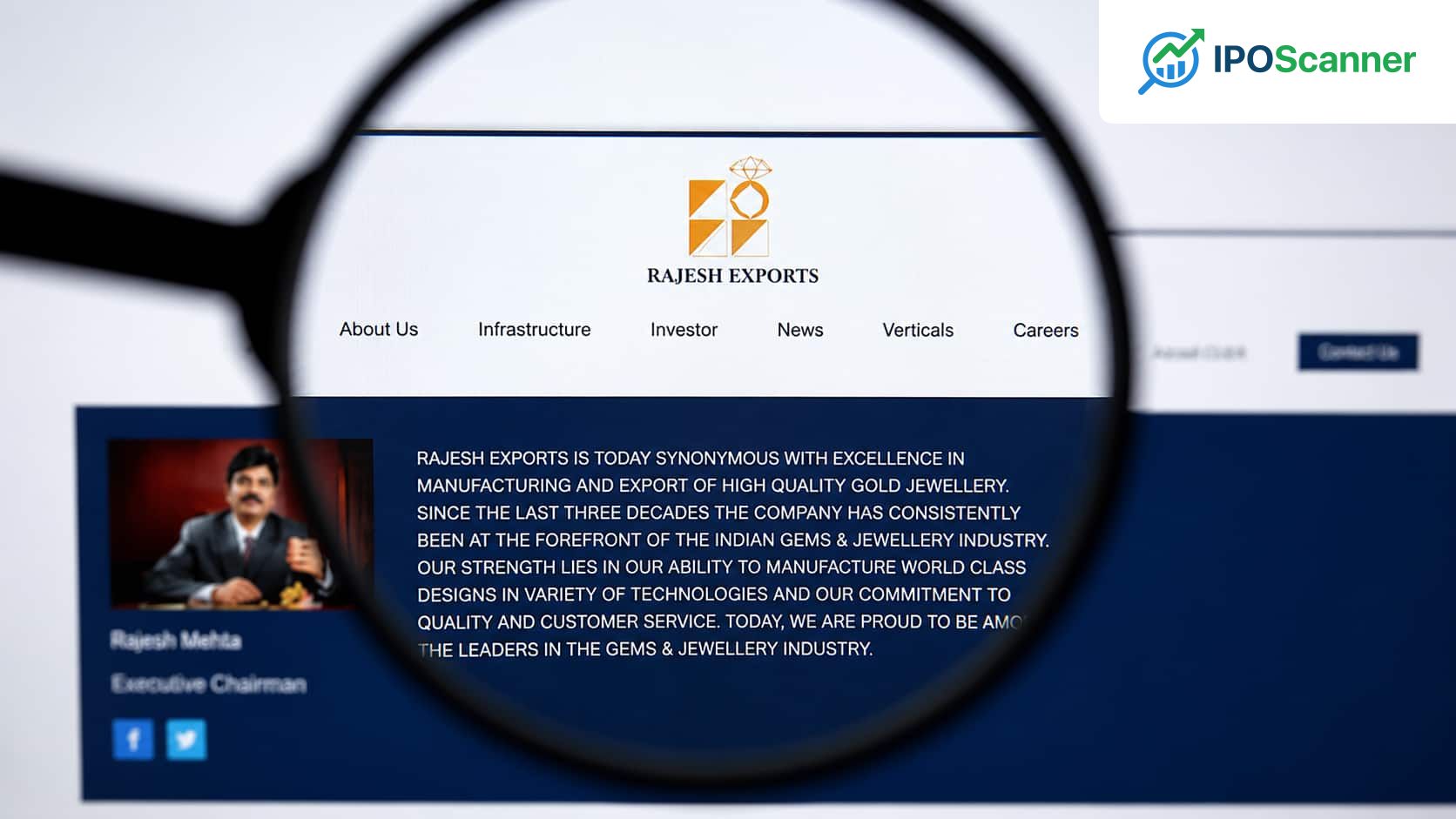
SEBI's Regulatory Vigilance Crucial for India's Attraction as Investment Destination Post Rajesh Exports Listing
India's Investment Destination Under Scrutiny Following Rajesh Exports Allegations
The recent developments surrounding Rajesh Exports and the alleged falsification of its books of accounts have raised concerns about the potential impact on India's position as an investment destination. The incident has brought to the forefront the importance of robust regulatory architecture, strong contractual obligations, and fewer procedural and bureaucratic bottlenecks in attracting foreign investment.
India's corporate and investment universe was shaken 17 years ago when B. Ramalinga Raju, erstwhile Satyam Computer Services' chairman, resigned, confessing that the company's accounts had been doctored for several years. The fraud had a significant impact on the information technology sector and investors already reeling from the effects of a global financial meltdown in 2008 and a local slowdown.
On June 4, India's markets opened on news of Rajesh Exports after the Securities and Exchange Board of India (SEBI) issued an interim order against the company and its promoter, Rajesh Mehta, alleging Rs 15.15 lakh crore in misrepresented revenues. The regulator noted that between 97 per cent and 99 per cent of Rajesh Exports' consolidated revenue was attributed to foreign subsidiaries, particularly Switzerland-based Valcambi SA.
SEBI alleged that the company overstated its scale of operations over several years through overseas subsidiaries, with alleged revenue misrepresentation amounting to nearly $158.3 billion or Rs 15.15 lakh crore.
The key anxiety is whether this will have a ripple effect, affecting confidence in India as a well-regulated investment destination. Investment is a slow-moving component and is a function of several layered variables, such as expectations of consistent and rapid policy moves.
Historically, India's most significant policy reforms have been catalysed by crises. In a choppy global economic environment, India cannot lose focus on maintaining and enhancing its attractiveness to investors and entrepreneurs, thereby improving the ease of doing business.
Policymaking is the art of the possible. Regulation is the setting of non-negotiable guardrails that protect rights, honour contracts, and provide a strong built-in disincentive mechanism to clamp down on rule violators within a well-defined matrix of checks and balances.
Read also: Concerns Raised at Parliamentary Panel Meeting Over Rupee and Sluggish Private Investment
Key Areas for Attention
| Area | Description |
|---|---|
| Regulatory Processes | Streamlining regulatory processes to enhance India's attractiveness to investors and entrepreneurs |
| Bureaucratic Hurdles | Reducing bureaucratic hurdles to improve the ease of doing business |
| Tax Structures | Simplifying tax structures and reducing compliance burdens to alleviate challenges faced by businesses |
| Legal System | Reforming the legal system to ensure timely case resolution and improve the business environment |
| Land, Labour, and Tax Reforms | Legislative action to improve the business environment, including land, labour, and tax reforms |
The Rajesh Exports issue will leave a bad taste, and confidence, particularly business and investor confidence, can be fickle. However, SEBI's swift and decisive crackdown offers a silver lining by demonstrating regulatory vigilance. To prevent long-term damage to its appeal as a top-tier investment destination, India must now leverage this crisis to iron out bureaucratic bottlenecks, streamline legal and tax compliance, and demonstrate that its regulatory guardrails are robust enough to swiftly penalise violators.
Investor Takeaway
Regulatory vigilance is crucial for India's position as an investment destination.
More in Economy

UK Business Secretary Faces Scrutiny Over Lack of Timeline for India Trade Deal Amid Steel Industry Dispute

Concerns Raised at Parliamentary Panel Meeting Over Rupee and Sluggish Private Investment

Suzlon Energy Fails to Timely Disclose Sebi Show Cause Notice: Over 30 Day Delay Raises Compliance Concerns