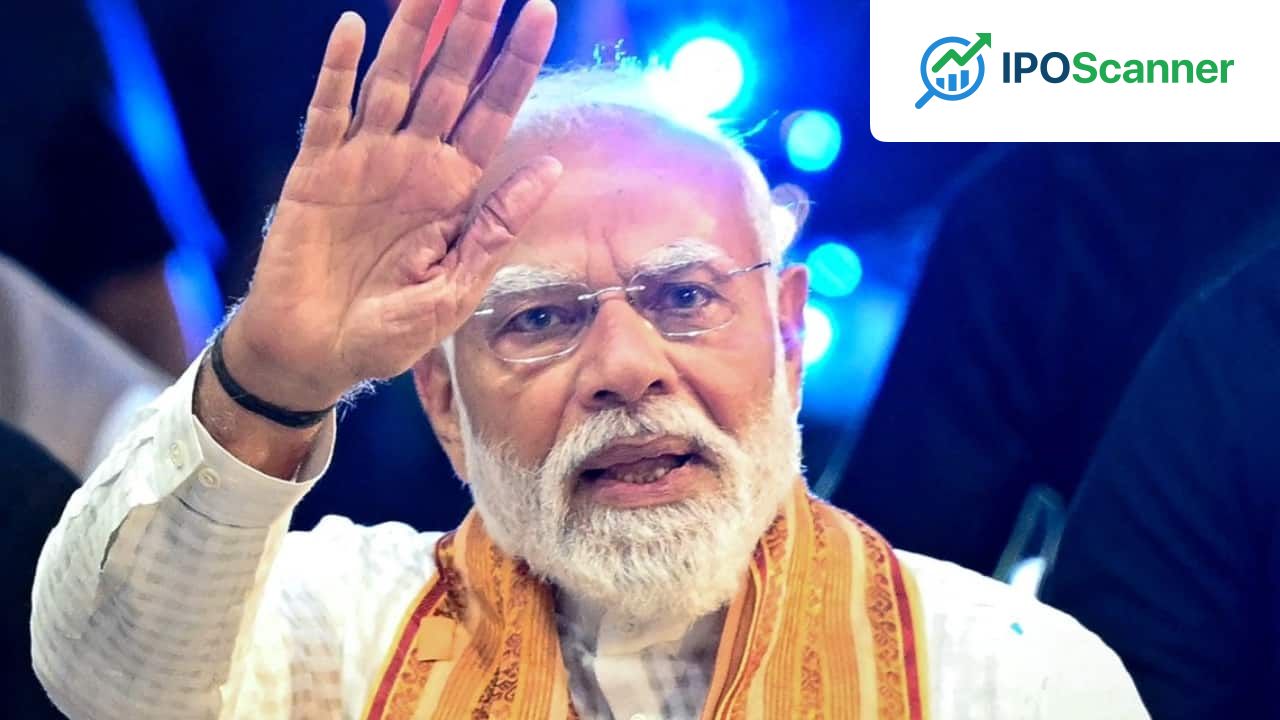
India Can Potentially Save $45 Billion in Forex Reserves by Implementing Prime Minister Modi's Trade Strategy
India Could Save Over $45 Billion in Foreign Exchange by Reducing Import Consumption
According to a recent analysis by Moneycontrol, India could potentially save more than $45 billion a year in foreign exchange by adopting modest behavioural changes in household and business consumption of imported commodities and international spending. The estimate is based on a reduction in crude oil, gold, and edible oil consumption by 10%, a 50% cut in fertiliser imports, and a complete stop in discretionary spending on foreign travel.
The analysis suggests that a 10% reduction in crude oil imports alone could save India approximately $13.5 billion. With gold imports reaching a record $72 billion in the 2025-26 fiscal year, a similar reduction in purchases could save another $7.2 billion. Vegetable oil imports would also see a significant reduction, lowering the import bill by about $1.95 billion.
Fertiliser imports, which totalled $14.5 billion in the 2025-26 fiscal year, are expected to see the largest saving after crude and gold. Prime Minister Narendra Modi has urged farmers to reduce chemical fertiliser use by 50%, which could result in a saving of about $7.3 billion if imports are halved.
Read also: Treasury Yields Experience Largest Increase in Two Weeks Following Release of Labor Market Data
| Import Category | Original Value (FY26) | 10% Reduction | 50% Reduction (Fertilisers) |
|---|---|---|---|
| Crude Oil | $240.7 billion | $216.6 billion | $240.7 billion |
| Gold | $72 billion | $64.8 billion | $72 billion |
| Vegetable Oils | $5.9 billion | $5.29 billion | $5.9 billion |
| Fertilisers | $14.5 billion | $13.25 billion | $7.25 billion |
Together, these four measures would reduce India's import bill by nearly $30 billion. An equally significant source of savings could come from reduced foreign travel, with the Liberalised Remittance Scheme (LRS) estimating outward remittances at $28.8 billion in the 2025-26 fiscal year. Assuming 55% of this amount was spent on international travel, overseas holidays, and related expenses, a complete suspension of such spending for one year could retain approximately $15.8 billion within the country.
Combined Savings
| Category | Original Value (FY26) | 10% Reduction | 50% Reduction (Fertilisers) |
|---|---|---|---|
| Crude Oil | $240.7 billion | $216.6 billion | $240.7 billion |
| Gold | $72 billion | $64.8 billion | $72 billion |
| Vegetable Oils | $5.9 billion | $5.29 billion | $5.9 billion |
| Fertilisers | $14.5 billion | $7.25 billion | $7.25 billion |
| Foreign Travel | $28.8 billion | $15.8 billion | $0 |
Read also: US-Iran Tensions Spark Uptick in Oil Prices Amid Global Market Decline
The potential savings underscore the scale of the import categories targeted in the Prime Minister's appeal. Crude oil, gold, vegetable oils, and fertilisers together accounted for $240.7 billion, or 31.1% of India's total imports in the 2025-26 fiscal year. If gold buying is completely halted, the savings could almost double to $130 billion.
More in Economy

Treasury Yields Experience Largest Increase in Two Weeks Following Release of Labor Market Data

US-Iran Tensions Spark Uptick in Oil Prices Amid Global Market Decline

MoSPI Releases Uniform Norms for DDP Estimates with 2022-23 Base Year

