Impact of Utility and Digital Payment Histories on Credit Scores
The Hidden Impact of Digital Payments on Your Credit Score
Most people assume their credit score is only about loans and credit cards. EMIs paid on time, bills cleared, nothing missed. That's the visible part. However, what's less obvious is how your everyday money behavior, including digital payments, fits into the picture.
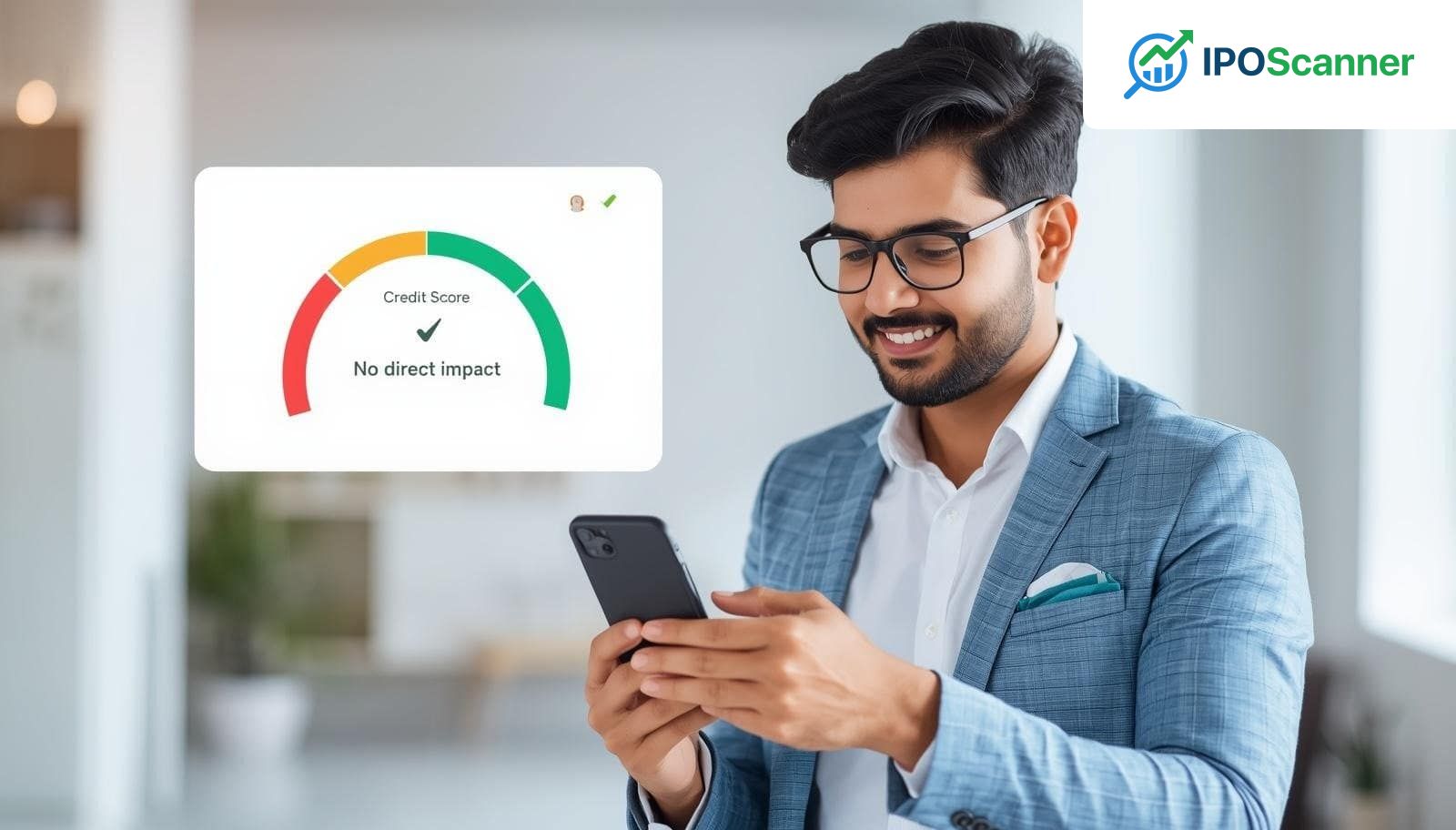
On paper, UPI transactions don't directly impact your credit score. Sending money, paying bills, or scanning QR codes isn't reported to credit bureaus. So whether you use UPI heavily or barely at all, your score doesn't change just because of that. However, when you apply for a loan, especially a personal loan or something unsecured, lenders don't just look at your credit score anymore. They often go deeper into your bank statements to understand how you actually manage money.
All those small things you do every day, UPI payments, bill payments, subscriptions, and sending money back and forth, they start to form a pattern over time. If your account shows a steady salary coming in, expenses that look predictable, and you're not constantly running close to zero, it quietly works in your favor. It tells a lender that things are under control. But if the opposite shows up, money coming in and going out in a scramble, frequent low balances, or repeated transfers just to stay afloat, it raises questions.
Your Money Flow is Under Scrutiny
In the end, it's not really about where you're spending. It's about how your money flows through your account. Digital payments have made it easier to track financial behavior in detail. Lenders can see not just whether you repay loans, but how disciplined you are day to day. Are your utility bills paid on time? Do you maintain a buffer in your account? Are your expenses predictable?
Alternative Data and Creditworthiness
Then there's the growing role of alternative data. Some lenders and fintech platforms are increasingly using transaction data, including UPI activity, to assess creditworthiness, especially for people with limited credit history. If you've never taken a loan or used a credit card, your digital footprint can sometimes act as a proxy for financial behavior.
Read also: Missing a Single EMI Payment Can Adversely Impact Credit Profile
The Risk of Spontaneous Spending
At the same time, digital payments can indirectly help your credit profile in simpler ways. Paying credit card bills or EMIs on time through UPI keeps your repayment track clean, which does not affect your score. However, there is a risk that stems from how simple it is to spend. People frequently forget how much is being spent because UPI feels seamless. Small payments build up, and if they begin to interfere with your capacity to maintain balances or repay loans, it may eventually show up in your credit behavior.
What Does This Mean for You?
By itself, using UPI or digital payments won't raise or lower your credit score. However, the behaviors exhibited can undoubtedly affect how lenders assess you. In a way, your credit report shows your past obligations, while your transaction history shows your present behavior. And increasingly, lenders are looking at both.
| Scenario | Credit Score Impact |
|---|---|
| UPI transactions are reported to credit bureaus | Direct impact on credit score |
| UPI transactions are not reported to credit bureaus | No direct impact on credit score |
| Lenders review bank statements for UPI transactions | Indirect impact on creditworthiness |
FAQs
- Do UPI transactions affect my credit score directly?
Not really. Your UPI payments don't get reported to credit bureaus, so they won't directly change your score.
- Can lenders see my UPI transactions?
They can, if they go through your bank statements when you apply for a loan. That's usually when your spending patterns become visible.
- Can digital payments help if I have no credit history?
Sometimes, yes. A few lenders do look at your transaction history to get a sense of how you handle money, especially if you don't have a credit track record yet.
More in General
Correcting Credit Score Errors: A Guide to Ensuring Accurate CIBIL Reports and Optimal Loan Eligibility

Missing a Single EMI Payment Can Adversely Impact Credit Profile
EPF Withdrawal Comes with Tax Implications: A Guide to Understanding the Consequences