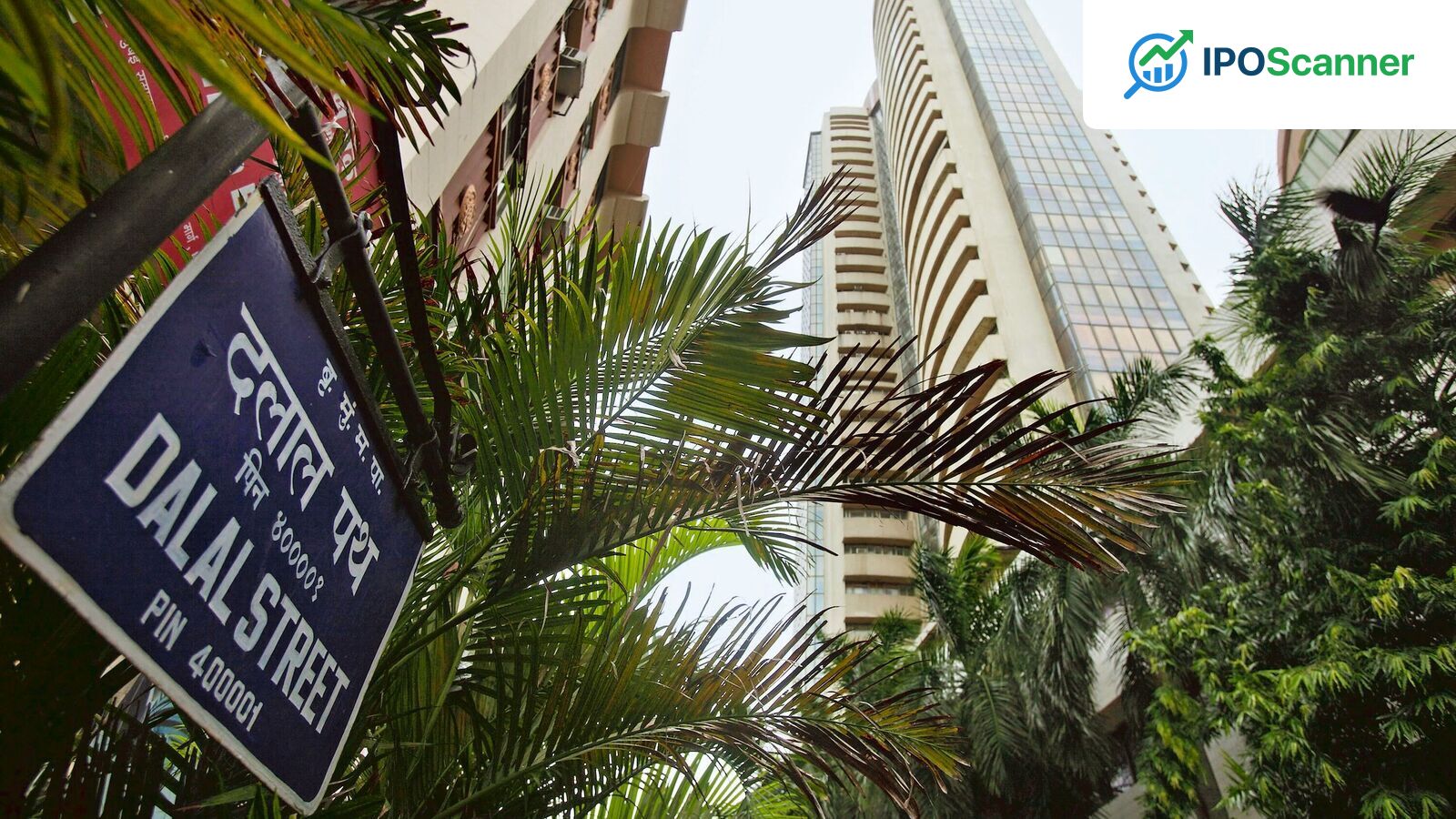
HSBC Downgrades Indian Stock Market for Second Time in a Month Amid US-Iran Tensions
HSBC Doubles Down on Bearish View of Indian Equities Amid US-Iran War Tensions
Global brokerage HSBC has reinforced its negative outlook on Indian equities, downgrading the market for the second time in less than a month. The downgrade, announced in a report dated 23 April, comes as HSBC expects the ongoing US-Iran war to further dent India's earnings recovery, with the global brokerage attributing the upgrade of Korean equities to a corresponding downgrade of India.
India's reliance on imported energy and the potential knock-on effects on inflation and domestic demand are among the key concerns that have led HSBC to adopt a bearish stance on Indian stocks. The brokerage notes that Brent crude oil prices, which have risen by almost 40% since the Middle East war began in late February, are currently trading above $100 a barrel. This surge in oil prices is expected to exacerbate inflation and growth risks, thereby undermining the ongoing earnings recovery.
According to HSBC, India's growth has shown signs of improvement in the last two quarters, but the brokerage now believes that the recovery will be delayed due to the ongoing Middle East conflict. The Indian government is likely to revise retail petrol and diesel prices higher once state elections conclude, as energy prices are expected to remain elevated in the coming months. This, in turn, could lead to a renewed rise in inflation, which may undermine the gradual recovery in demand and contribute to higher non-performing loans (NPLs) across the lending sector, creating downside risks to 2026 earnings.
| Market | HSBC's Previous Rating | HSBC's Current Rating | Change |
|---|---|---|---|
| Indian Equities | Overweight | Underweight | Downgrade |
| Korean Equities | Underweight | Neutral | Upgrade |
HSBC expects consensus forecasts to be revised down in the coming months from current expectations of 16% YoY for 2026. Although the Indian stock market's valuations have corrected significantly from their peak, they may appear elevated as earnings downgrades feed through, HSBC added.
The brokerage also highlighted concerns among foreign investors, particularly the risk of rupee depreciation if oil prices remain high, alongside rising worries about the impact of artificial intelligence on India's software services sector. Foreign portfolio investors have already sold $18.5 billion worth of Indian equities in 2026, following net outflows of $18.9 billion in the previous year.
Despite the bearish outlook, HSBC continues to see opportunities among private banks, base metals, and select healthcare companies.
Read also: Treasury Yields Experience Largest Increase in Two Weeks Following Release of Labor Market Data
Investor Takeaway
Investors should be cautious of the potential impact of US-Iran tensions on the Indian stock market.
More in Market

SpaceX Seeks Record $75 Billion IPO, Potentially Positioning Elon Musk as the World's First Trillionaire

Treasury Yields Experience Largest Increase in Two Weeks Following Release of Labor Market Data

US-Iran Tensions Spark Uptick in Oil Prices Amid Global Market Decline