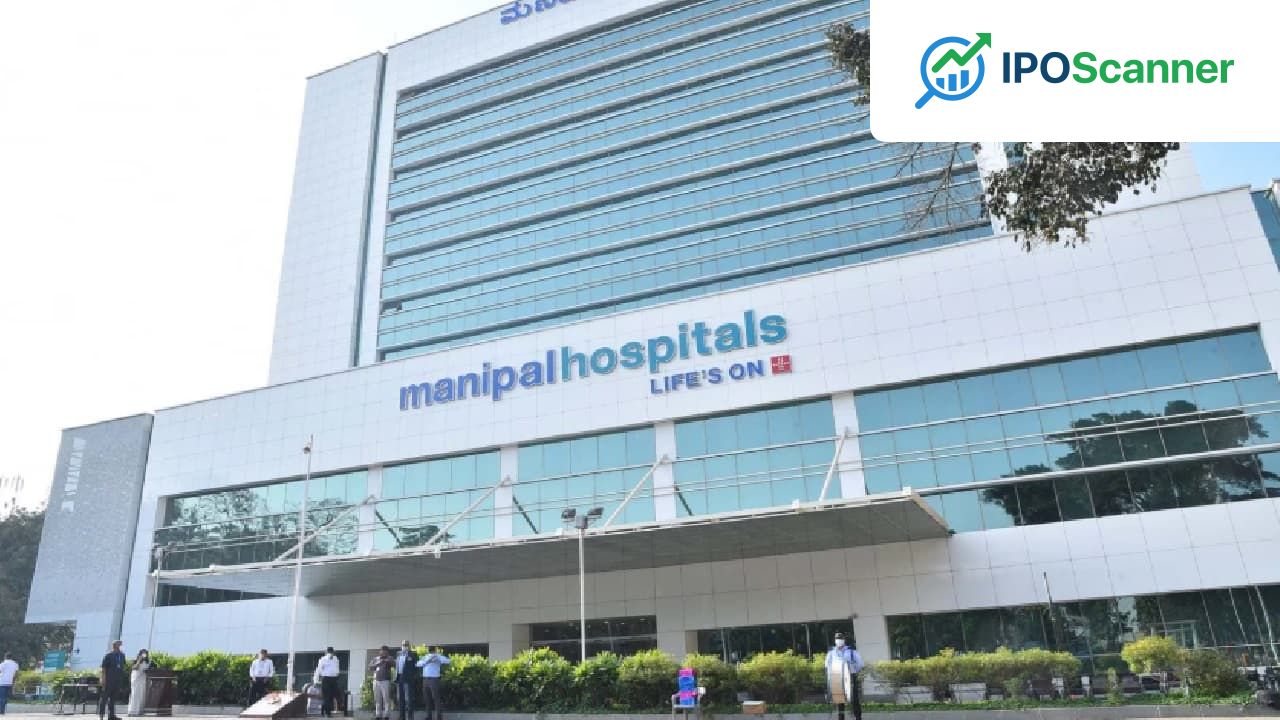
Hospitals to Benefit from Revised Building Codes Allowing for Increased Heights
Government Revamps Building Code to Ease Hospital Bed Shortage in Urban Centers
The Indian government has notified the National Building Construction Standards (NBCS) 2026, a move aimed at addressing the chronic shortage of hospital beds in dense urban centers. One of the key changes introduced by the new code is the removal of long-standing height restrictions on healthcare facilities, allowing Intensive Care Units (ICUs) to be located above 45 meters.
For years, Indian hospitals were restricted by the building code, which limited hospital heights to 45 meters or roughly 12-15 floors and mandated that ICUs remain below 30 meters. This created a "low-rise" bottleneck in metro cities like Mumbai and Delhi, where land costs are among the highest in the world. The revised NBCS 2026 removes these restrictions, enabling hospitals to expand vertically without a specific height ceiling, provided they implement enhanced fire safety protocols.
This shift allows ICUs, the most critical and revenue-intensive part of a hospital, to be placed on higher floors, a practice previously barred due to evacuation concerns. Industry bodies, led by NATHEALTH, have hailed the reform as a "progressive" move.
Read also: Treasury Yields Experience Largest Increase in Two Weeks Following Release of Labor Market Data
Estimated Benefits of Vertical Expansion
| Indicator | Original Value | Expected Value |
|---|---|---|
| Capacity Expansion Expenses Reduction | N/A | 20-25% |
| Land Costs Savings | N/A | Significant |
Hospital bodies expect vertical expansion to reduce capacity expansion expenses by 20-25 percent. Instead of acquiring expensive new land parcels, operators can simply add floors to existing structures, avoiding the "long gestation periods" and regulatory hurdles associated with new "greenfield" projects. By utilizing existing sites, hospitals can unlock more beds within city centers, ensuring that high-quality tertiary care remains accessible where the population density is highest.
"This reform will enable hospitals to operate more efficiently and optimize costs, which can ultimately be passed on to patients, while maintaining the highest standards of safety," said Sangita Reddy, President, NATHEALTH and Group Managing Director, Apollo Hospitals Group. Dr. Ashutosh Raghuvanshi, CEO of Fortis Healthcare, added, "The ability to expand vertically and make better use of existing facilities is a critical enabler. This will help address capacity gaps in high-density urban centers while avoiding the long gestation periods associated with new hospital developments."
Read also: US-Iran Tensions Spark Uptick in Oil Prices Amid Global Market Decline
More in Economy

Treasury Yields Experience Largest Increase in Two Weeks Following Release of Labor Market Data

US-Iran Tensions Spark Uptick in Oil Prices Amid Global Market Decline

MoSPI Releases Uniform Norms for DDP Estimates with 2022-23 Base Year

