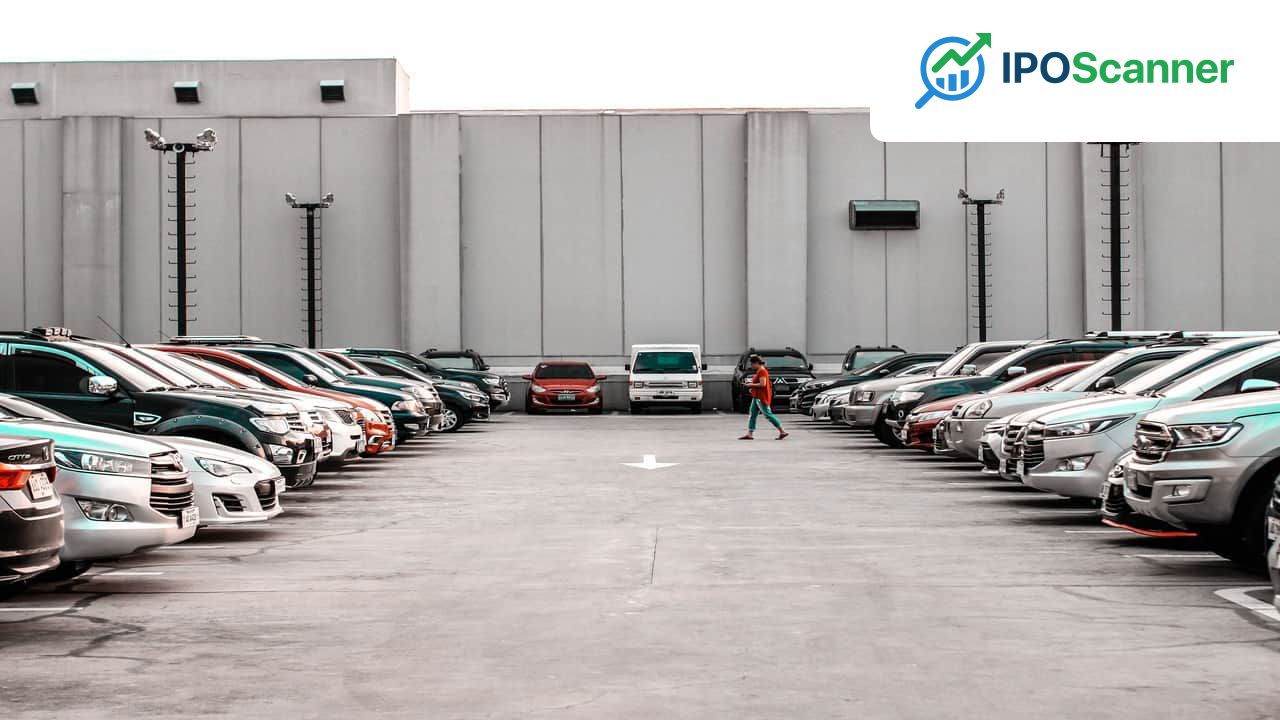
Homebuyers Must Consider Parking Restrictions Before Finalizing a Purchase
Parking Woes: A Hidden Headache for Homebuyers
When buying a home, most homebuyers focus on the layout, light, floor, and amenities. Parking often takes a backseat, only to become a pressing concern just before possession. However, this oversight can lead to long-term headaches. In many projects, parking is not as straightforward as it seems on the brochure. Getting clarity early on can save both money and daily stress.
Clarifying Parking Arrangements
One of the most common misunderstandings is between "assured" and "allotted" parking. Builders often say parking is available, but that doesn't always mean you get a specific, clearly marked slot. It's essential to check whether your agreement mentions a fixed parking number or just access to common parking. If it's not specifically allotted, the society may later decide the distribution, which can lead to disputes or less convenient spots. Having a clearly defined slot in writing avoids ambiguity.
Assessing Parking Usability
Not all parking spaces are equal. A basement slot might sound fine on paper, but access ramps could be steep, turning radius could be tight, or columns could make parking difficult—especially for larger cars. Visiting the site, even if construction is ongoing, and understanding the layout is crucial. Ask for the parking plan and check how easy it is to enter, park, and exit. Additionally, consider factors like lighting, ventilation, and waterlogging risks in basements. A poorly designed parking area can become a daily inconvenience.
Parking Charges and Legality
Parking is often sold as an add-on, but legally, it has its nuances. As per rulings by the Supreme Court of India, open parking spaces are part of common areas and cannot be sold separately as independent units. However, developers still charge for parking in different ways—covered parking, stilt parking, or preferential location charges. The key is to understand what exactly you are paying for. Ensure the charges are clearly mentioned in your agreement and not added informally later.
Read also: Missing a Single EMI Payment Can Adversely Impact Credit Profile
Post-Possession Parking Arrangements
Even if you have a parking arrangement from the builder, things can change once the housing society or association takes over. In many cases, societies reassign parking through a lottery system, especially if the agreement does not clearly grant ownership or exclusive use. Ask upfront how parking rights will be handled post-possession. Is your slot permanent, or subject to reallocation? This is especially important in projects where parking is limited compared to the number of apartments.
The Importance of Parking Details
Parking may seem like a secondary detail when you're buying a home, but it quickly becomes a daily reality. A good parking space adds convenience and even resale value. A bad one becomes a constant source of irritation. The mistake most buyers make is assuming parking will "work out." In reality, it only works out if it's clearly defined, properly designed, and legally understood from the beginning. Before you book your home, spend a little extra time on parking details. It's one of those decisions you live with every single day—and fixing it later is rarely easy.
Parking Comparison Table
| Project | Allotted Parking | Assured Parking | Parking Charges |
|---|---|---|---|
| Project A | 100% | 50% | ₹50,000 |
| Project B | 80% | 20% | ₹30,000 |
| Project C | 90% | 10% | ₹20,000 |
Note: The above table provides a comparison between three different projects, highlighting the percentage of allotted parking, assured parking, and parking charges. Project A offers the most parking certainty, while Project C has the lowest parking charges.
More in General

Correcting Credit Score Errors: A Guide to Ensuring Accurate CIBIL Reports and Optimal Loan Eligibility

Missing a Single EMI Payment Can Adversely Impact Credit Profile

EPF Withdrawal Comes with Tax Implications: A Guide to Understanding the Consequences