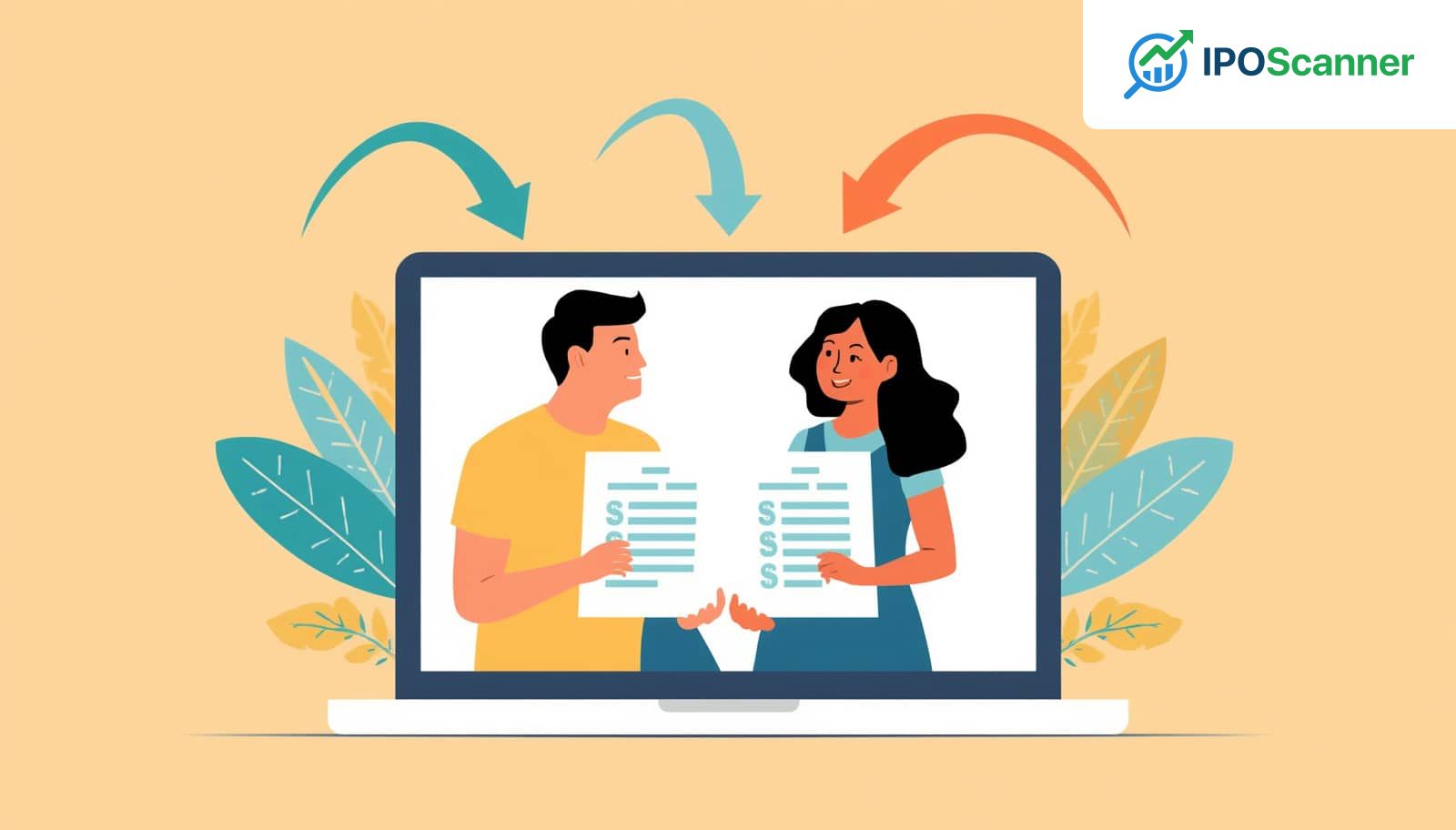
Health Insurance Portability: Navigating Waiting Periods upon Plan Changes
Health Insurance Portability: A Guide to Switching Insurers Without Losing Benefits
Many individuals stick with their current health insurance policy for years, even when they are not fully satisfied with it, due to fear of losing waiting period benefits, particularly for pre-existing conditions. However, the good news is that policyholders can switch insurers without losing the waiting period they have already completed.
Understanding Policy Portability
Health insurance portability allows individuals to move from one insurer to another without losing the waiting period they have already completed. This means that if an individual has already served two or three years of a waiting period for a pre-existing condition, that credit can be carried forward to the new policy.
What Gets Carried Forward
The biggest benefit of policy portability is continuity. Waiting periods for pre-existing diseases, initial waiting periods, and time-based exclusions can all be adjusted based on how long an individual has already been insured. However, this applies only up to the sum insured of the old policy. If an individual increases their coverage during porting, the additional amount may be subject to a new waiting period.
| Feature | Carried Forward | New Policy |
|---|---|---|
| Waiting periods for pre-existing diseases | Yes | No |
| Initial waiting periods | Yes | No |
| Time-based exclusions | Yes | No |
| Sum insured | Up to old policy | New policy |
| Bonuses | No | May differ |
| Add-ons | No | May differ |
| Specific policy benefits | No | May differ |
What Doesn't Carry Over
Read also: Missing a Single EMI Payment Can Adversely Impact Credit Profile
Not everything moves with an individual when they switch insurers. Features such as bonuses, add-ons, or specific policy benefits may differ under the new insurer's terms. Each company has its own structure, so an individual is essentially moving into a new contract - just with some credit carried forward.
Timing is Important
Policy portability is not available at any time of year. Individuals need to apply for it before their current policy expires, usually at least 45 days in advance. Missing this window can mean losing the portability benefit and having to start fresh.
Approval Isn't Automatic
The new insurer still evaluates an individual's application, even if they are switching from their current policy. They can ask for updated medical details, review past claims, and reassess the individual as a new customer. If something in their profile looks risky, they can load the premium, add conditions, or even decline the proposal.
How to Make the Switch Smoother
If an individual is thinking of porting, they should start looking at options at least a month or so before their renewal date. This gives them time to compare properly, rather than rushing into the next policy. They should also check what is actually covered, room rent limits, sub-limits, exclusions - the things that tend to matter only when they make a claim. Additionally, they should be upfront about their medical history and keep their paperwork ready, including their current policy copy, claim history, and discharge summaries, if any.
The Bottom Line
Individuals do not have to stick with a policy just because they have already waited out those initial years. Policy portability lets them switch to a better plan without losing that time - but only if they time it right and go in prepared.
More in General
Correcting Credit Score Errors: A Guide to Ensuring Accurate CIBIL Reports and Optimal Loan Eligibility

Missing a Single EMI Payment Can Adversely Impact Credit Profile

EPF Withdrawal Comes with Tax Implications: A Guide to Understanding the Consequences