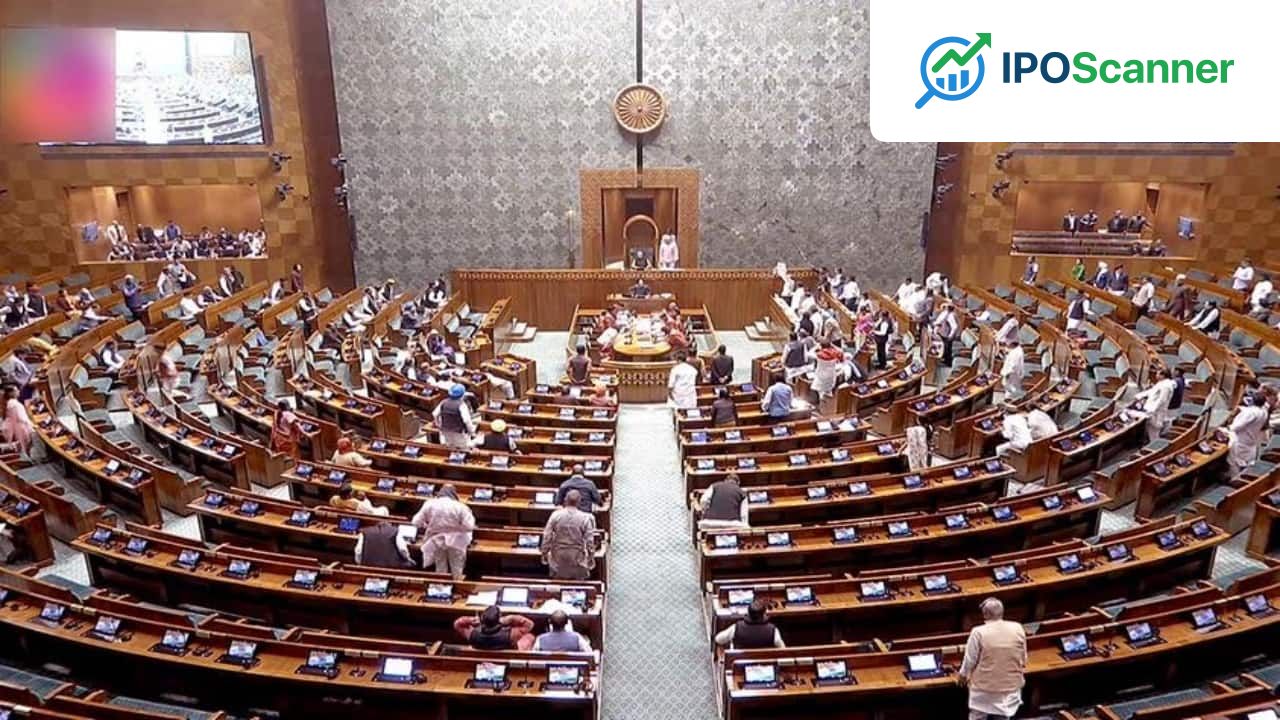
Government Proposes Expansion of Lok Sabha Seats and Reservation for Women
Constitution's 131 Amendment Bill Proposes Major Overhaul of Lok Sabha
The Constitution's 131 Amendment Bill has proposed a significant change to the composition of the Lok Sabha, with a total of 850 seats proposed - 815 for states and 35 for union territories - based on the delimitation exercise conducted as per the 2011 published Census data.
According to the Bill, the Lok Sabha shall consist of not more than 815 members chosen by direct election from territorial constituencies in the States, and not more than 35 members to represent the Union territories, chosen in such manner as Parliament may by law provide. The Bill aims to amend Article 81 of the Constitution to achieve this.
The Bill also seeks to operationalise the 106th Amendment Act, which provides for the reservation of nearly one-third of seats for women in the Lok Sabha and the Legislative Assemblies. This includes women belonging to the Scheduled Castes and the Scheduled Tribes, with the objective of achieving greater participation of women in the Lok Sabha, the Legislative Assembly of a State and the Legislative Assembly of the National Capital Territory of Delhi.
Read also: Treasury Yields Experience Largest Increase in Two Weeks Following Release of Labor Market Data
In 2001, the Central government amended the Constitution to freeze the allocation of seats in the Lok Sabha and State Legislative Assemblies on the basis of the 1971 census until the first census conducted after the year 2026, while providing for the readjustment of territorial constituencies on the basis of the figures of the 1991 census.
The Bill's Statement of Objects and Reasons highlights the significant changes in the country's demographic profile since the 1971 census, including significant inter-State and intra-State population shifts, rapid urbanisation and migration, and disproportionate growth in certain regions. This has resulted in wide disparities in the population and the constituencies.
| Census Year | Population Growth | Change in Lok Sabha Seats |
|---|---|---|
| 1971 | N/A | 615 seats |
| 1991 | N/A | 545 seats (freeze of 615 seats) |
| 2001 | N/A | 543 seats (freeze of 545 seats) |
| 2011 | N/A | 543 seats (freeze of 545 seats) |
| 2026 | N/A | 850 seats (as proposed by the Bill) |
The Bill aims to operationalise one-third reservation for women, including women belonging to the Scheduled Castes and the Scheduled Tribes, in the House of the People and the Legislative Assemblies of the States, the National Capital Territory of Delhi and the Union territories through delimitation exercise to be undertaken on the basis of the population figures of the latest published census.
Read also: US-Iran Tensions Spark Uptick in Oil Prices Amid Global Market Decline
More in Economy

Treasury Yields Experience Largest Increase in Two Weeks Following Release of Labor Market Data

US-Iran Tensions Spark Uptick in Oil Prices Amid Global Market Decline

MoSPI Releases Uniform Norms for DDP Estimates with 2022-23 Base Year

