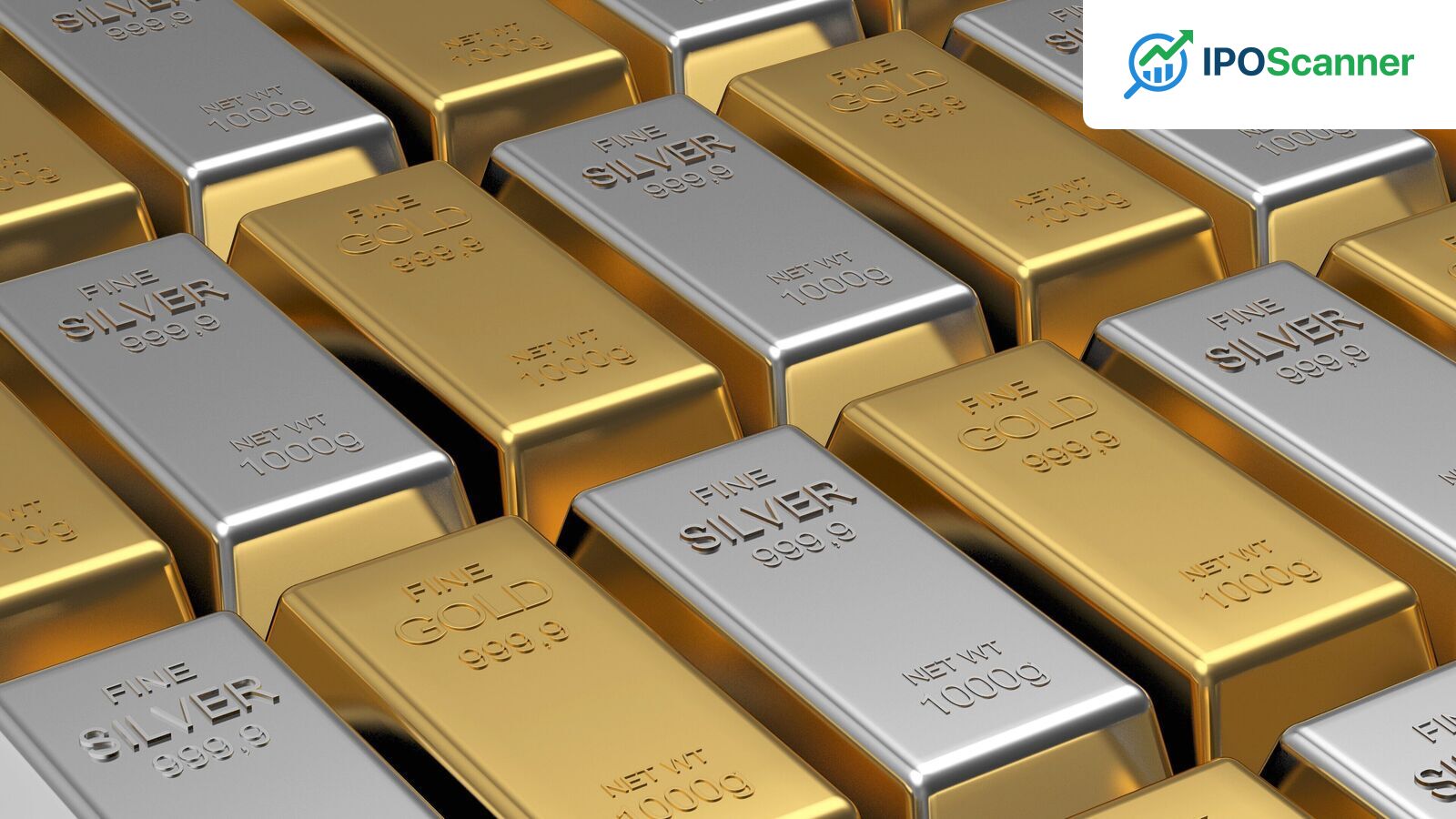
Government of India Raises Customs Duty on Gold and Silver, Implications for MCX Gold and Silver Prices.
India Raises Import Duties on Gold and Silver to 15% to Relieve Pressure on Foreign Exchange Reserves
The Indian government has implemented a strategy to limit foreign purchases and relieve pressure on foreign exchange reserves by raising import duties on gold and silver to 15% from 6%. This increase, comprising a 10% basic customs duty and a 5% Agricultural Infrastructure and Development Cess (AIDC), is likely to dampen demand in the second-largest market for precious metals globally.
The move could help reduce the trade deficit and support the rupee, one of Asia's weaker currencies. However, industry experts warn that elevated duties might lead to a rise in smuggling, a trend that had diminished following tariff reductions in mid-2024.
Prime Minister Narendra Modi encouraged citizens to refrain from buying gold for a year in order to safeguard foreign exchange reserves. India relies largely on imports to fulfil its gold consumption needs. The demand for gold, especially for investment, has increased following a recent surge in prices and disappointing returns from equities over the past year.
Read also: Treasury Yields Experience Largest Increase in Two Weeks Following Release of Labor Market Data
According to the World Gold Council, inflows into India's gold exchange-traded funds (ETFs) rose 186% year-on-year in the March quarter, totalling a historic 20 metric tons. Industry estimates indicate that an increase in duty could lead to a decline in gold import volumes by approximately 10-12%. A comparison of gold import volumes in recent quarters is as follows:
| Quarter | Gold Import Volumes (Metric Tons) |
|---|---|
| December 2024 | 15 |
| March 2025 | 12 |
| June 2024 | 18 |
Notably, around 50% of India's jewellery demand is currently met through the exchange and recycling of old gold, highlighting a gradual shift towards reuse rather than new bullion imports. Reportedly, the import demand for jewellery consumption has already dropped by nearly 20% year-on-year, as high prices have deterred discretionary buying. The jewellery sector is increasingly focusing on producing lower-weight, lower-carat jewellery to ensure affordability amid record-high bullion prices.
The government's overarching message is not against owning gold, but rather aimed at curbing excessive new imports during a critical macroeconomic phase. India is believed to possess around 20,000 tonnes of gold stored in households. More effective use, recycling, exchange, and monetisation of existing gold in homes could help lessen reliance on imported gold and ease the strain on the rupee and foreign exchange reserves. The goal is to gradually transform dormant household gold into productive domestic liquidity, while reducing unnecessary dollar outflows and enhancing long-term economic stability, according to industry experts.
Read also: US-Iran Tensions Spark Uptick in Oil Prices Amid Global Market Decline
Investor Takeaway
Investors should be cautious of potential market volatility due to the increased customs duty on gold and silver.
More in Economy

Treasury Yields Experience Largest Increase in Two Weeks Following Release of Labor Market Data

US-Iran Tensions Spark Uptick in Oil Prices Amid Global Market Decline

MoSPI Releases Uniform Norms for DDP Estimates with 2022-23 Base Year

