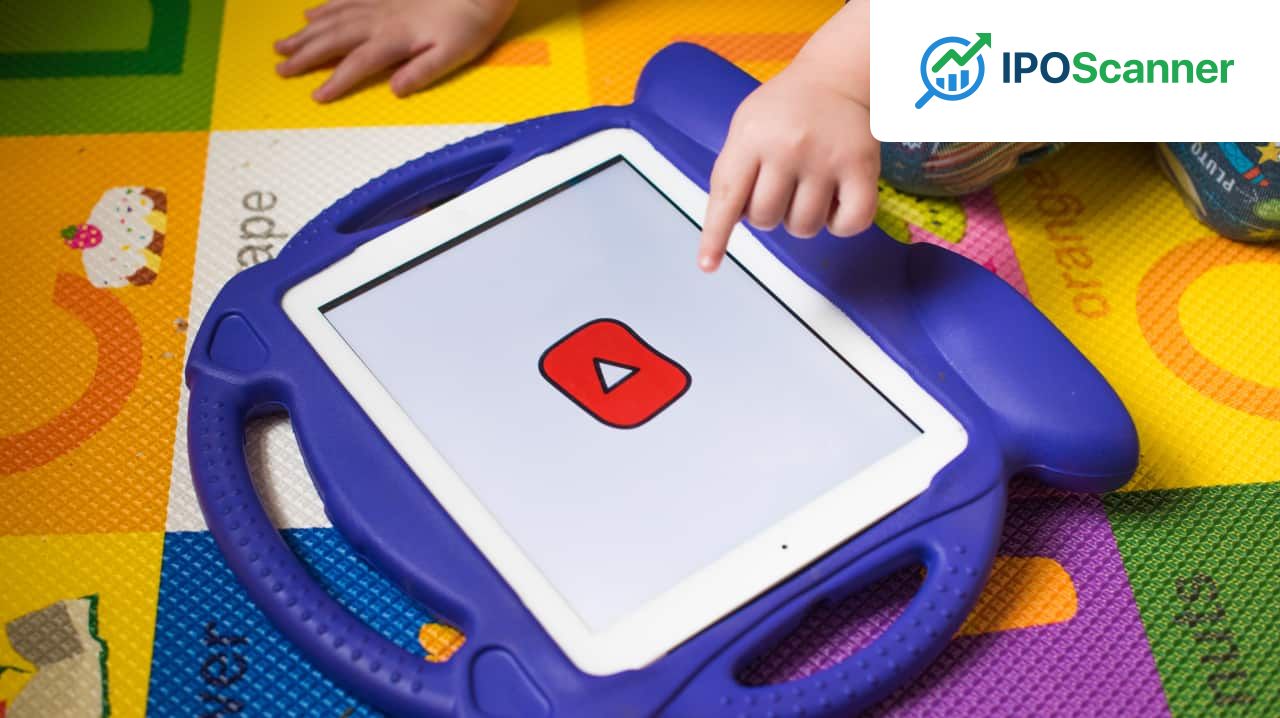
Google Faces Calls to Restrict AI-Generated Content on YouTube for Minors
Google Faces Pressure to Prohibit AI-Generated Videos on YouTube and YouTube Kids
Alphabet Inc.'s Google is facing demands from child development experts to prohibit videos created with artificial intelligence from being shown or recommended to young viewers across YouTube and YouTube Kids. Over 200 children's specialists, advocacy groups, and schools sent a letter to Google Chief Executive Officer Sundar Pichai and YouTube CEO Neal Mohan on Wednesday, raising concerns about the lack of substance in many AI-generated YouTube videos that claim to be educational.
The letter criticized the perceived low quality of kids' content being mass-produced by AI generators, as well as the rise in creators on Google's YouTube video service that use artificial intelligence to make clips aimed at profiting off the world's youngest and most impressionable viewers. Child safety advocates worry that AI-generated material, some of it referred to as "AI slop," affects kids' attention spans and their ability to separate what's real from what's not.
The concern is not only about the quality of the content but also about the impact it has on children's emotional and social development. The letter stated that time spent looking at a screen is replacing real-world activities that are key to children's development. "There is much we don't know about the consequences of AI content for children," the group wrote. "YouTube is participating in this uncontrolled experiment by pushing AI-generated content without research demonstrating its benefits and without acknowledging the child development principles that tell us it's likely mostly harmful."
Read also: Kumar Mangalam Birla to Address Concluding Function of RSS Training Camp
The letter was signed by social psychologist Jonathan Haidt, whose bestselling book The Anxious Generation kick-started a global movement to fight youth harm caused by social media and smartphones, as well as by child advocacy groups like Fairplay and the National Alliance to Advance Adolescent Health. The American Federation of Teachers and several schools also signed.
YouTube responded to the concerns, stating that it has high standards for the content in YouTube Kids, including limiting AI-generated content in the app to a small set of high-quality channels. Parents also have the option to block channels. However, the advocates argued that these measures are not sufficient, and that the labels used to identify AI-generated content are unlikely to be understood by preliterate children who are targets for much of the AI-generated content.
The controversy comes at a time when there are other outside efforts to change the way YouTube operates. In March, a landmark jury trial on social media addiction found Google and Meta Platforms Inc. liable for harming a young user with products designed to keep her hooked. Both companies said they would appeal the verdict. Plaintiffs, consumer advocates, and lawmakers are now pushing the companies to change some of their most lucrative operational features, including their content algorithms.
| YouTube Response | Advocate Concerns |
|---|---|
| Limiting AI-generated content in YouTube Kids to a small set of high-quality channels | Lack of substance in many AI-generated YouTube videos |
| Parents have the option to block channels | Labels used to identify AI-generated content are unlikely to be understood by preliterate children |
| YouTube prioritizes transparency when it comes to AI content | YouTube is participating in an uncontrolled experiment by pushing AI-generated content without research demonstrating its benefits |
Read also: The Cost of Healthcare: Why Predictability in Medical Inflation is Crucial for Health Insurance
In March, Google announced an investment into Animaj, an AI animation studio focused on making YouTube content for kids, part of an effort to improve the quality of its offerings for young users. However, child safety advocates criticized Google and Animaj for engaging "babies and toddlers who shouldn't have any screen time at all." They urged YouTube to halt "all investment in the creation of AI-generated videos for children."
More in General
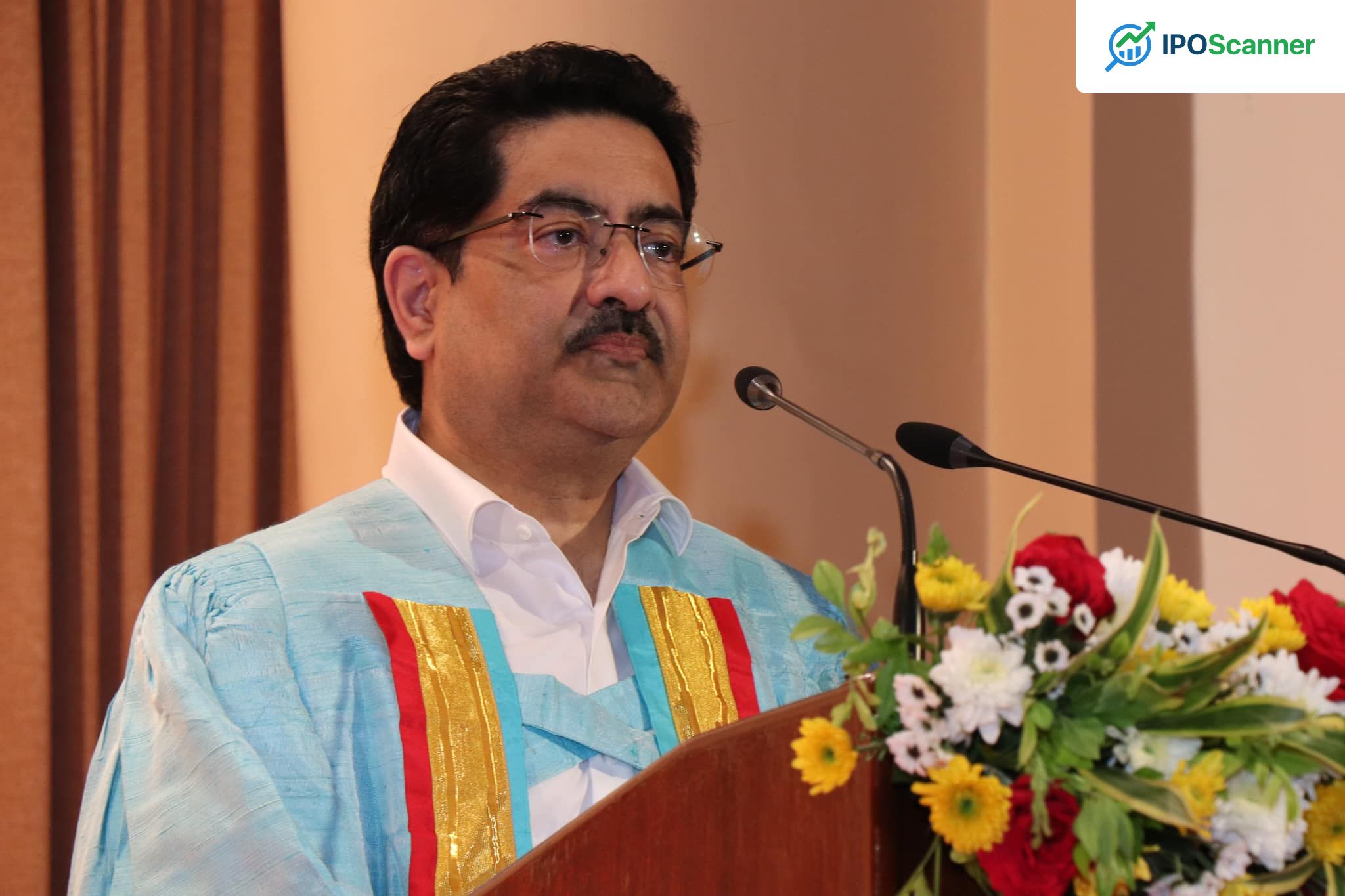
Kumar Mangalam Birla to Address Concluding Function of RSS Training Camp

The Cost of Healthcare: Why Predictability in Medical Inflation is Crucial for Health Insurance

Former Google Executive Warns AI Risks Stem from Human Misuse, Not Technological Limitations