Google Co-Founder Eric Schmidt Faces Backlash During 2026 Graduation Speech on Artificial Intelligence
Graduates Boo Former Google Chief Eric Schmidt Over AI Comments at University of Arizona Commencement
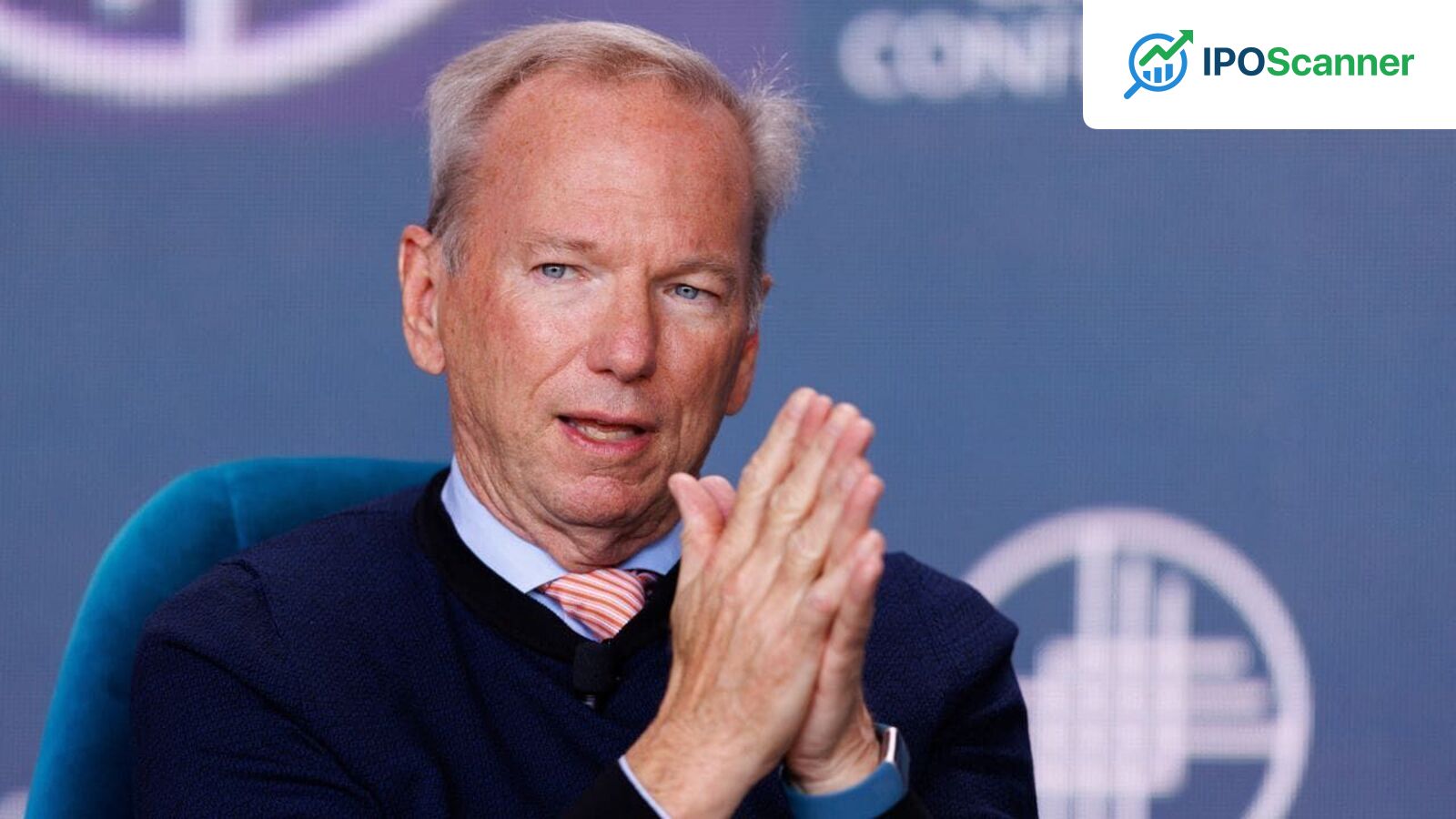
On Friday, former Google chief executive Eric Schmidt faced a stern reception during his commencement address at the University of Arizona, where he was met with sustained booing from students after speaking about the impact of artificial intelligence on the workforce.
Schmidt's remarks on the role of technology in reshaping society fell flat with an audience of graduates entering one of the most uncertain job markets in a generation. While other speakers at the ceremony received applause and cheers, Schmidt's comments sparked a palpable tension that has been building across university campuses and corporate boardrooms as AI continues to transform the nature of work.
Schmidt began his address with a degree of self-reflection, acknowledging the unintended consequences of the technological revolution he helped build. He noted that the industry had not always anticipated where its creations would lead, saying, "We thought that we were adding stones to a cathedral of knowledge that humanity had been constructing for centuries, but the world we built turned out to be more complicated than we anticipated." He continued, "The same tools that connect us also isolate us. The same platforms that gave everyone a voice, like you're using now, degraded the public square."
Read also: Kumar Mangalam Birla to Address Concluding Function of RSS Training Camp
The booing grew louder when Schmidt turned to artificial intelligence directly, rather than talking over the disruption, he paused and addressed it head on. "I know what many of you are feeling about that. I can hear you. There is a fear," he said. "There is a fear in your generation that the future has already been written, that the machines are coming, that the jobs are evaporating, that the climate is breaking, that politics are fractured, and that you are inheriting a mess that you did not create."
Schmidt validated the graduating class's anxieties as rational before pivoting to what he framed as their collective responsibility to engage with the technology rather than retreat from it. "The question is not whether AI will shape the world. It will," he said. "The question is whether you will have shaped artificial intelligence."
| Company | AI-Related Layoffs | Entry-Level Hiring Reduction |
|---|---|---|
| Klarna | Yes | Yes |
| IBM | Yes | Yes |
| Nvidia | No | No |
Companies including Klarna and IBM have already conducted AI-related layoffs, and a number of firms have scaled back entry-level hiring as a direct consequence of the technology's capabilities.
Read also: The Cost of Healthcare: Why Predictability in Medical Inflation is Crucial for Health Insurance
The University of Arizona defended its choice of speaker, stating that Schmidt had been invited due to his extraordinary contributions to technology and innovation. A spokesperson noted that Schmidt had been invited to speak at the university in recognition of his work, including partnerships that support important research and discovery.
The reaction at the University of Arizona was not simply a matter of one uncomfortable speech. It reflected a broader anxiety that survey data and labor market trends have been documenting for months. Artificial intelligence is reshaping the global workforce at a pace that has caught many young professionals off guard, altering the way companies screen job candidates, redefining the skills employers value, and enabling the automation of the rote tasks that have historically served as entry points for new graduates.
A recent Pew Research Center study found that approximately half of Americans felt the growing prevalence of AI in their daily lives left them feeling more concerned than excited, a sentiment that appeared to find vivid expression in the Arizona ceremony.
Some students had also planned to boo Schmidt over separate allegations made against him last year. An attorney for Schmidt told Business Insider that the accusations were "fabricated." In March, a judge ordered the suit to be settled through arbitration.
The contrast between Schmidt's reception and that of Nvidia chief executive Jensen Huang, who delivered a commencement address at Carnegie Mellon University the previous week, was notable. Huang took a markedly more optimistic line on AI and employment, arguing that the technology would expand rather than foreclose opportunity for young people. "AI is not likely to replace you," Huang said, directly acknowledging anxieties about the job market. “But someone using AI better than you might.”
More in General
Kumar Mangalam Birla to Address Concluding Function of RSS Training Camp

The Cost of Healthcare: Why Predictability in Medical Inflation is Crucial for Health Insurance

Former Google Executive Warns AI Risks Stem from Human Misuse, Not Technological Limitations