Global LNG Shortages Loom as Middle East Conflict Disrupts Supply Chains
Global LNG Supply Chain Disrupted by Middle East Conflict
A significant shift in physical supply flows is underway in the global liquefied natural gas (LNG) market, driven by the ongoing war in the Middle East. According to Bloomberg ship-tracking data, at least eight LNG cargoes initially destined for Europe have been rerouted to Asia since the conflict began.
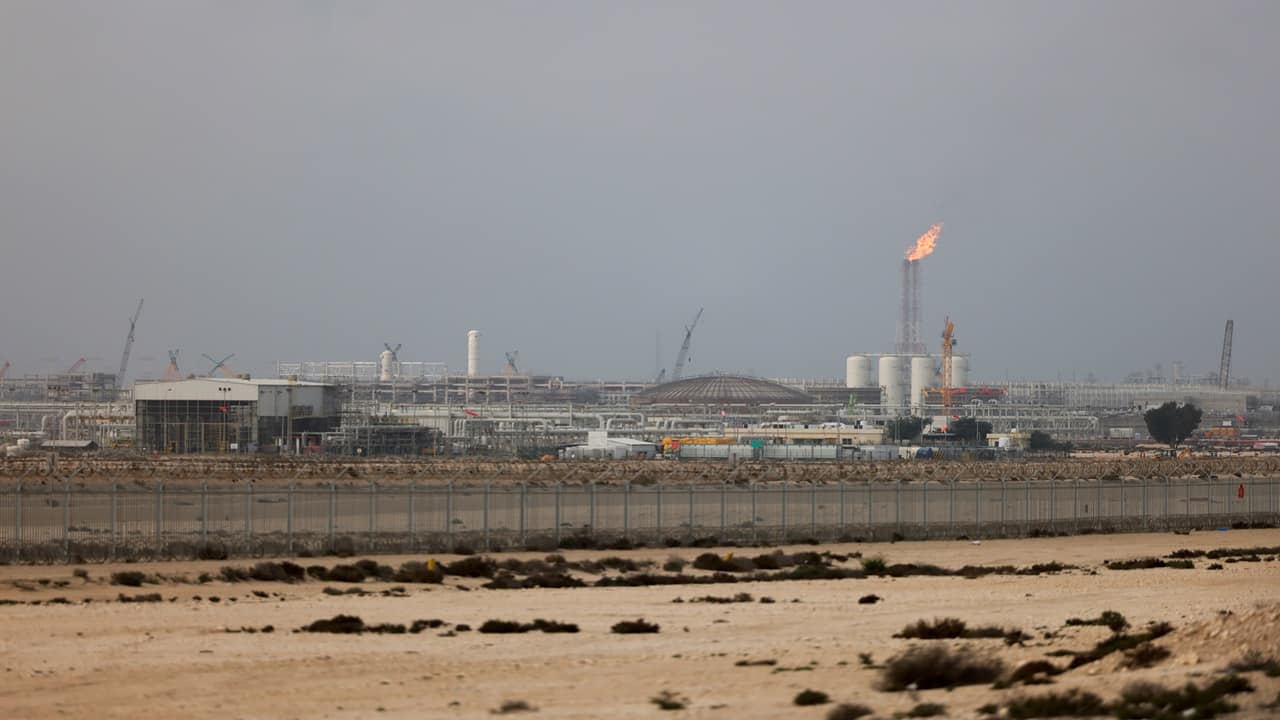
This trend is accelerating, with a buffer of spare supply rapidly depleting, threatening increased competition and higher prices for both regions. The conflict has resulted in the shutdown of Ras Laffan, the world's largest LNG export facility in Qatar, and halted traffic through the Strait of Hormuz.
The outages, which amount to approximately 20% of global LNG supply, have removed roughly three Qatari LNG cargoes from the market each day. A smaller LNG export plant in Abu Dhabi is also unable to ship cargoes. Analysts warn that if the situation persists, there may not be enough alternative LNG sources to meet global demand.
Read also: Treasury Yields Experience Largest Increase in Two Weeks Following Release of Labor Market Data
Global LNG Supply and Demand
Global LNG imports totaled 8 million metric tons last week, a 26% decline from the previous week. LNG supply decreased by 16% during the same period. The situation is diminishing the chances of a long-awaited LNG supply glut materializing this year.
US LNG Supply
Supplies from the US, the world's largest LNG producer, are unlikely to fill the gap soon. While several facilities are under construction, flows will come online incrementally. The Golden Pass joint venture between Qatar and Exxon Mobil Corp. is close to completion, but has not yet started. Cheniere Energy Inc.'s Corpus Christi plant is gradually adding new capacity, and Venture Global is ramping up its Plaquemines and CP2 plants.
Read also: US-Iran Tensions Spark Uptick in Oil Prices Amid Global Market Decline
Market Outlook
Analysts at Morgan Stanley and Rabobank warn that any extension of the Qatar LNG outage beyond one month will quickly lead to a supply deficit. The expected surplus is reduced by 1.5 million tons each week that Qatari production remains shut, leaving roughly five weeks before the market turns to a supply deficit. The LNG glut has been delayed by a year, and markets are now facing a supply deficit even with higher US flows.
Investor Takeaway
Investors should be prepared for potential price increases and supply chain disruptions in the energy sector.
More in Economy

Treasury Yields Experience Largest Increase in Two Weeks Following Release of Labor Market Data

US-Iran Tensions Spark Uptick in Oil Prices Amid Global Market Decline

MoSPI Releases Uniform Norms for DDP Estimates with 2022-23 Base Year

