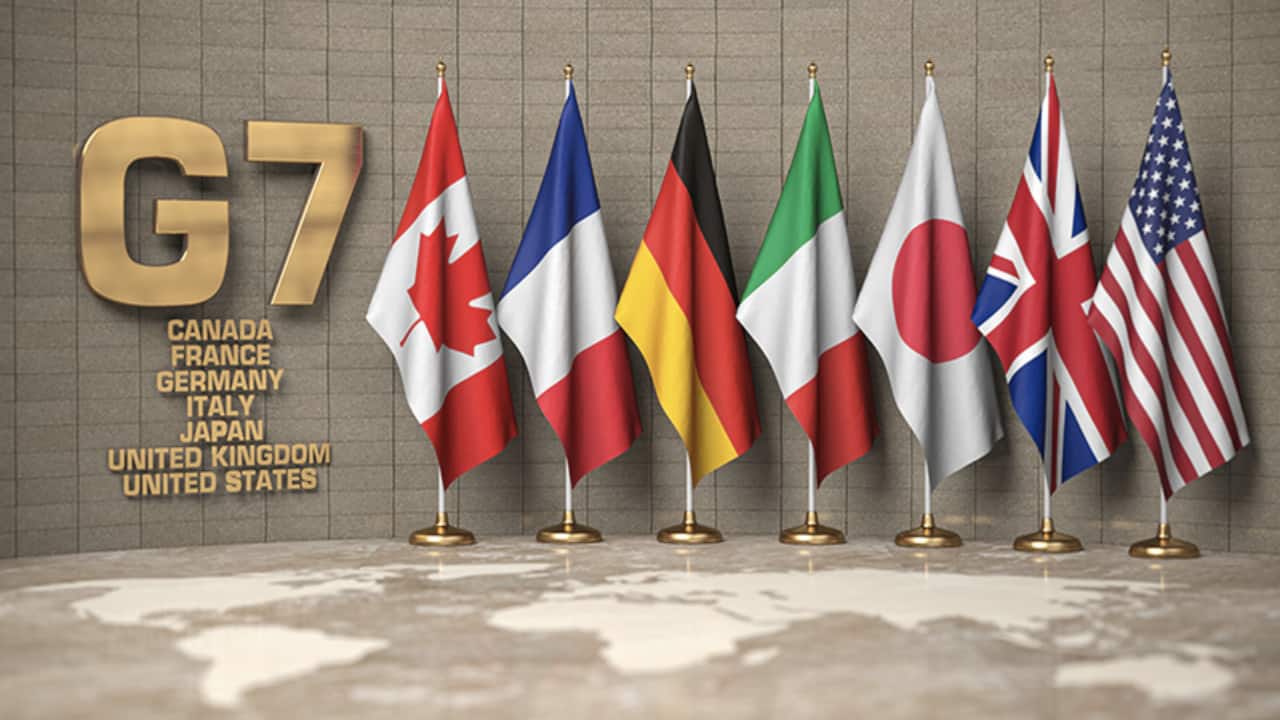
G7 to Consider Emergency Oil Reserve Release Amid Rising Crude Prices
G7 Finance Ministers to Discuss Coordinated Release of Emergency Petroleum Reserves
Background
The conflict in the Gulf has led to a surge in oil prices, prompting a discussion among G7 finance ministers to consider a coordinated release of emergency petroleum reserves. The emergency meeting, scheduled for Monday at 8:30am New York time, will focus on the impact of the Iran war on global energy markets.
Support for Reserve Release
Read also: Treasury Yields Experience Largest Increase in Two Weeks Following Release of Labor Market Data
Three G7 countries, including the United States, have expressed support for the proposal to release oil from strategic reserves. Officials believe a coordinated release of 300 million to 400 million barrels could be appropriate, representing 25 to 30 percent of the 1.2 billion barrels currently held in strategic reserves by IEA member countries.
Market Impact
The price surge has triggered volatility across financial markets. Brent crude rose 24 percent to $116.71 per barrel, while West Texas Intermediate (WTI) climbed 28 percent to $116.45. The average US petrol price rose to $3.45 per gallon by Sunday, up from $2.98 a week earlier.
Economic Risks
Read also: US-Iran Tensions Spark Uptick in Oil Prices Amid Global Market Decline
The surge in oil prices risks fuelling inflation globally and threatening economic growth if sustained. Major crude-importing economies, including China, India, South Korea, Japan, Germany, Italy, and Spain, are particularly exposed to price shocks due to their reliance on imported energy.
IEA Emergency Reserves
The IEA established emergency petroleum stockpiles in 1974, following the Arab oil embargo. Members are required to maintain strategic reserves as part of a collective system designed to respond to severe disruptions in oil supply. The IEA currently holds more than 1.24 billion barrels in public strategic stocks, in addition to roughly 600 million barrels held by industry that could be mobilised if required.
Key Figures
- 1.2 billion barrels: current strategic reserve holdings by IEA member countries
- 300 million to 400 million barrels: proposed coordinated release of emergency petroleum reserves
- 1.24 billion barrels: current public strategic reserve holdings by IEA member countries
- 600 million barrels: industry-held reserves that could be mobilised if required
- $116.71: current price of Brent crude
- $116.45: current price of West Texas Intermediate (WTI)
- $3.45: average US petrol price per gallon
- 25 to 30%: proposed release as a percentage of current strategic reserve holdings
- 1974: year the IEA established emergency petroleum stockpiles
Investor Takeaway
Investors should monitor the potential impact of a coordinated oil reserve release on global energy markets.
More in Economy

Treasury Yields Experience Largest Increase in Two Weeks Following Release of Labor Market Data

US-Iran Tensions Spark Uptick in Oil Prices Amid Global Market Decline

MoSPI Releases Uniform Norms for DDP Estimates with 2022-23 Base Year

