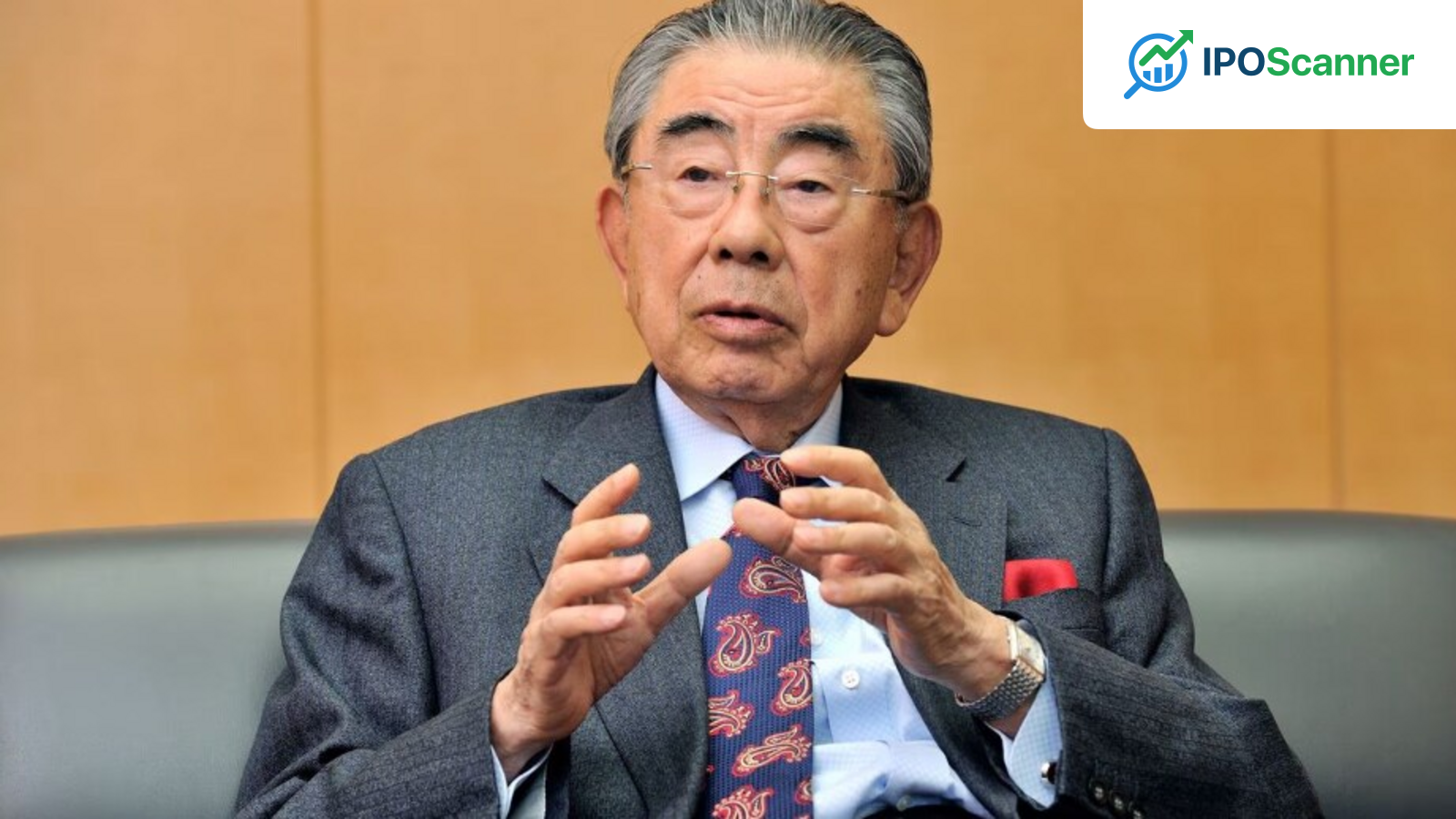
Founder of Japan's Seven-Eleven Chain Passes Away at 93
Toshifumi Suzuki, Father of Japan's Convenience Store Industry, Dies at 93
Toshifumi Suzuki, the visionary businessman who revolutionized Japan's retail landscape by expanding the Seven-Eleven convenience store chain, passed away on May 18, at the age of 93. Seven & i Holdings announced the news on Monday, according to Reuters.
Suzuki is widely regarded as the father of Japan's convenience store industry, having established Seven-Eleven Japan in 1973. Under his leadership, the company adapted the American convenience store concept to Japanese consumer habits, ultimately building one of the world's most influential retail franchise networks. Suzuki's approach to business emphasized efficiency, data-driven inventory management, and smaller neighborhood stores that catered to daily consumer needs.
The chain's success can be attributed to Suzuki's innovative strategies, which included carefully curated product selections, fresh food offerings, and round-the-clock operations. These practices later became standard across Japan's convenience retail sector. Reuters reported that Suzuki's approach reshaped shopping habits in Japan, where convenience stores evolved beyond simple grocery outlets into essential hubs for bill payments, ticket bookings, ATM services, parcel deliveries, and ready-to-eat meals.
Read also: Kumar Mangalam Birla to Address Concluding Function of RSS Training Camp
Born in 1932 in Nagano Prefecture, Suzuki joined retailer Ito-Yokado in the 1950s. During a trip to the United States in the early 1970s, he became interested in the convenience store format operated by Southland Corporation, the owner of Seven-Eleven. He later negotiated licensing rights to launch the brand in Japan. The first Seven-Eleven store in Japan opened in Tokyo in 1974, marking the beginning of Suzuki's aggressive expansion strategy.
Over the following decades, Suzuki oversaw the growth of Seven-Eleven Japan into a dominant force in Japanese retail. The company's franchise-based model and sophisticated logistics network were later studied and replicated globally. Suzuki was often praised for introducing modern retail analytics and consumer trend forecasting into Japan's convenience store business. Reuters industry observers credited him with pioneering systems that allowed stores to restock multiple times a day based on local demand patterns.
Suzuki also played a major role in the expansion of Seven & i Holdings, which eventually became the parent company of Seven-Eleven Japan and other retail businesses. During his tenure, the company expanded internationally and strengthened its position in the global convenience store market.
| Year | Seven-Eleven Japan Revenue | Global Convenience Store Market Share |
|---|---|---|
| 1973 | ¥1.4 billion | 0% |
| 1990 | ¥1.2 trillion | 10% |
| 2000 | ¥2.5 trillion | 20% |
| 2010 | ¥5.5 trillion | 30% |
| 2020 | ¥10.2 trillion | 40% |
Read also: The Cost of Healthcare: Why Predictability in Medical Inflation is Crucial for Health Insurance
Despite his success, Suzuki's later years at the company were marked by internal disagreements over succession and management strategy. He stepped down from leadership roles in 2016 after losing support from the company's board. Even after retirement, Suzuki remained an influential figure in Japanese business circles and continued to be associated with the rise of Japan's highly efficient convenience store culture.
Today, Seven-Eleven stores are deeply integrated into everyday life across Japan, serving millions of customers daily. Seven-Eleven Japan became known for its efficient supply chain, frequent restocking model, and wide range of customer services beyond grocery retail. According to Reuters, Suzuki's legacy remains closely tied to the growth of Seven-Eleven Japan into a global retail powerhouse.
More in General
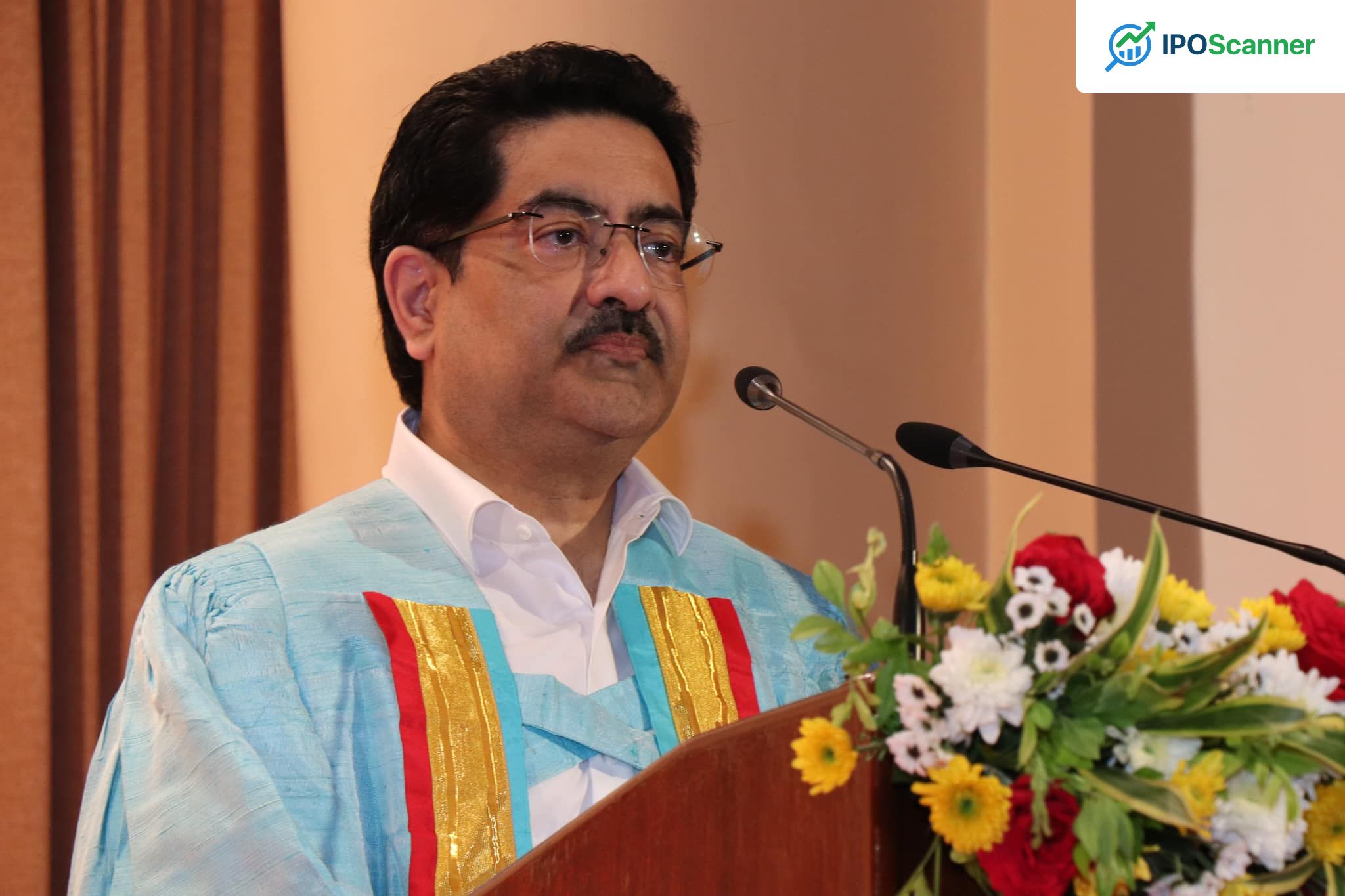
Kumar Mangalam Birla to Address Concluding Function of RSS Training Camp

The Cost of Healthcare: Why Predictability in Medical Inflation is Crucial for Health Insurance

Former Google Executive Warns AI Risks Stem from Human Misuse, Not Technological Limitations