Archaeologists Uncover Ancient Queen's Tomb After 7-Century Interval
Medieval Royal Secrets Uncovered at Barcelona's Royal Monastery of Santa Maria de Pedralbes
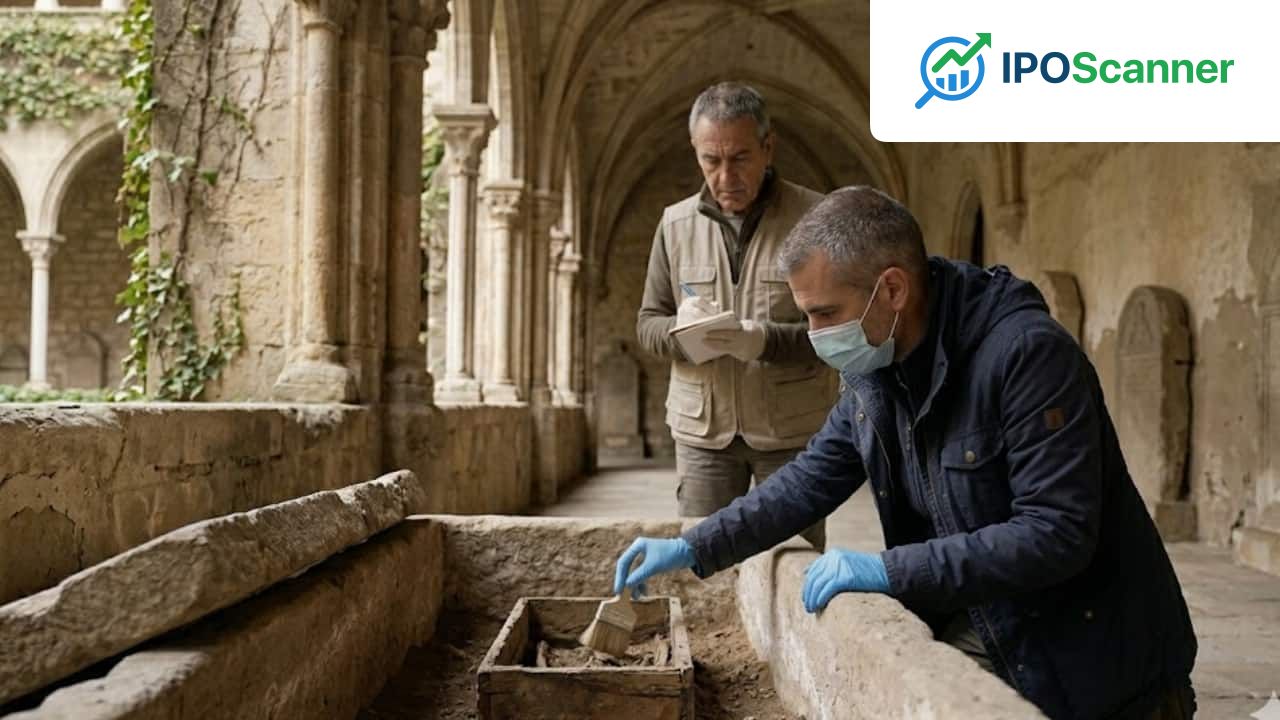
Archaeologists excavating the Royal Monastery of Santa Maria de Pedralbes in Barcelona have made a series of groundbreaking discoveries, shedding new light on life and death within the medieval religious community. The excavations, which are part of a major scientific investigation marking the monastery's 700th anniversary, have uncovered the skeletal remains of Queen Elisenda of Montcada, one of medieval Europe's most influential royal figures.
Queen Elisenda, the wife of King James II of Aragon, founded the monastery in 1326 and lived beside it until her death in 1364. Researchers have opened her tomb for the first time in nearly seven centuries, revealing her remains preserved inside a small wooden box. Initial analysis suggests she died at about 70 years of age and suffered from age-related osteoarthritis. Fragments of gold-embroidered silk and aromatic plants such as rosemary and myrtle were also recovered from her burial.
The excavation, which has focused on eight 14th-century tombs, has revealed the remains of 25 individuals. One of the most striking discoveries came from a tomb linked to Francesca Saportella, the monastery's second abbess and the queen's niece. Archaeologists have found the remains of at least nine people buried there over different periods, including four male skulls bearing stab wounds and the partially mummified torso of a woman whose fetus, estimated to be 20 to 23 weeks old, was still present.
Read also: Kumar Mangalam Birla to Address Concluding Function of RSS Training Camp
Other unexpected burials have also been discovered, including a tomb once believed to contain the remains of a medieval knight, which actually held two women and three children. In another burial, believed to belong to the monastery's first abbess, evidence of a facial injury likely caused by a blade was identified.
The project combines archaeology, anthropology, genetics, and botanical analysis to better understand life and death within the medieval religious community. Scientists have already begun DNA testing and are examining textiles, documents, and plant remains recovered from the graves. Researchers hope the work will confirm identities, reveal family connections, and shed light on diseases and burial practices of the period. Final results are expected in 2027.
| Tomb | Number of Individuals | Notable Discoveries |
|---|---|---|
| Queen Elisenda's tomb | 1 | Remains preserved in a small wooden box, age-related osteoarthritis, gold-embroidered silk, and aromatic plants |
| Francesca Saportella's tomb | 9 | At least 9 people buried over different periods, 4 male skulls with stab wounds, partially mummified torso of a woman with a 20-23 week old fetus |
| Medieval knight's tomb | 5 | 2 women and 3 children, not a medieval knight |
| Monastery's first abbess's tomb | 1 | Evidence of a facial injury likely caused by a blade |
More in General
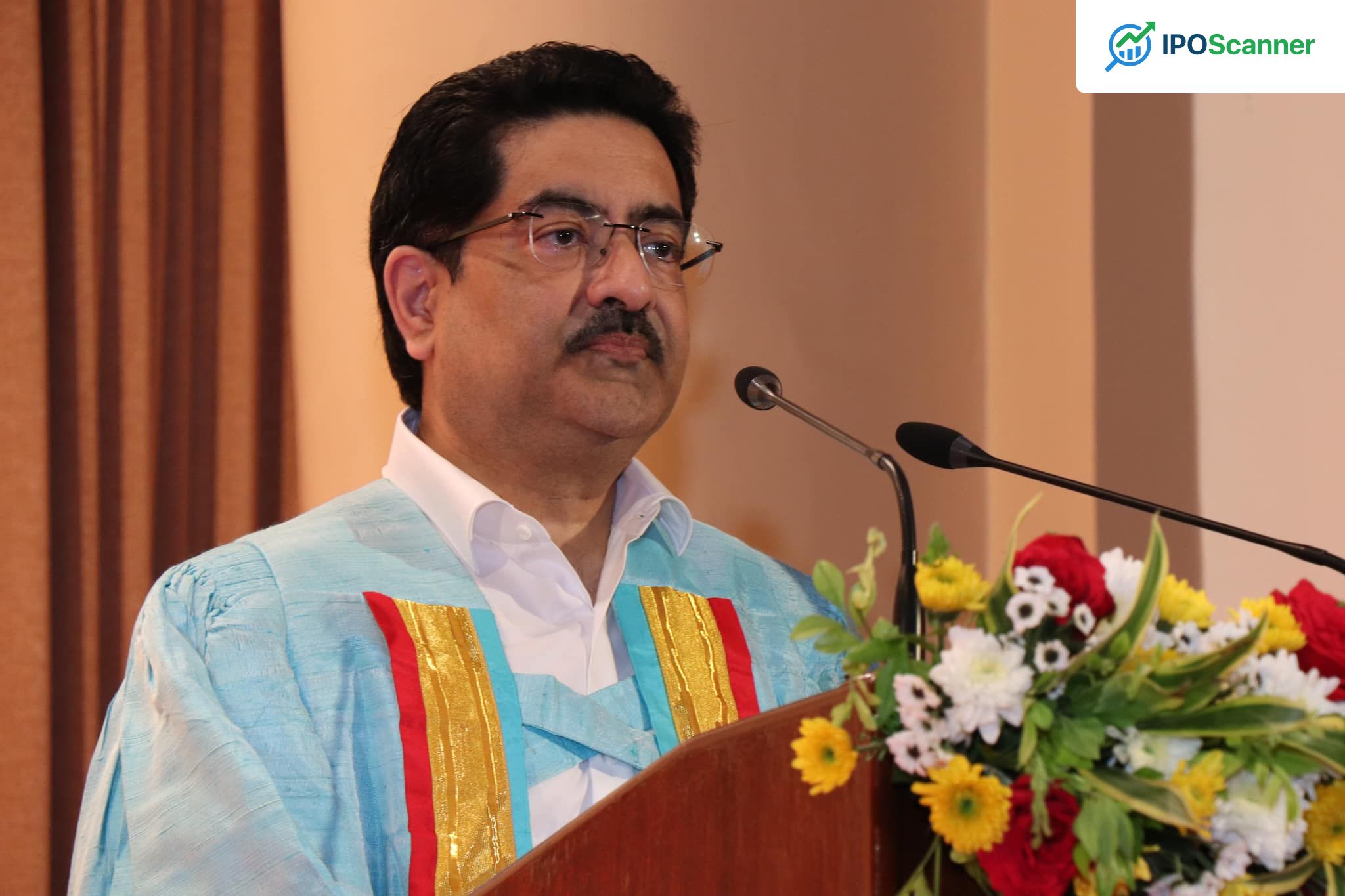
Kumar Mangalam Birla to Address Concluding Function of RSS Training Camp

The Cost of Healthcare: Why Predictability in Medical Inflation is Crucial for Health Insurance

Former Google Executive Warns AI Risks Stem from Human Misuse, Not Technological Limitations