Five Common Investment Mistakes to Avoid for a Healthier Portfolio
Avoiding Costly Mistakes: Expert Advice for Successful Trading
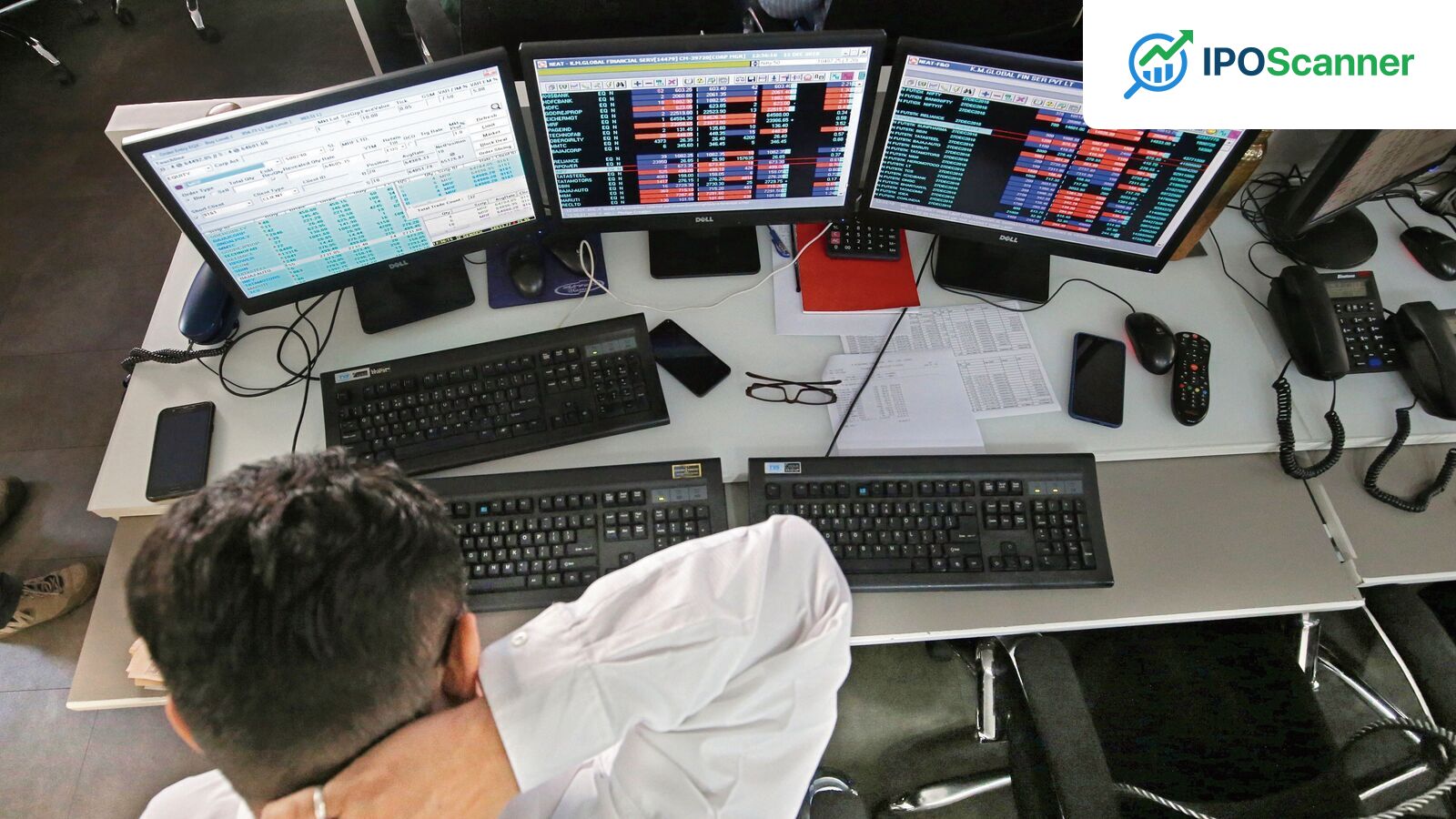
Successful trading is not just about picking winning stocks, but also about avoiding the kind of mistakes that can lead to significant financial losses. Many traders, particularly those new to the field, experience financial losses due to emotions, inadequate risk management, and hasty decisions taking control. From excessive trading and neglecting stop-loss orders to pursuing trends and acting on "tips," minor errors can swiftly turn into costly lessons.
According to Harshal Dasani, Business Head at INVasset PMS, the mistakes that separate strong investing years from mediocre ones are often structural rather than psychological. Dasani emphasizes that safeguarding capital is as crucial as increasing it, and understanding what to avoid can provide the true advantage.
Understanding Market Cycles
Dasani notes that one of the biggest errors investors make is trading without understanding the broader market cycle. If investors don't know whether earnings are accelerating or decelerating, or whether liquidity conditions are expanding or tightening, they end up reacting to price moves instead of positioning ahead of them.
Avoiding Common Mistakes
Common mistakes in trading include confusing momentum with conviction, ignoring sector rotation, and failing to consider position sizing. Dasani warns against blindly averaging down without reassessing the original investment thesis or accounting for changing macro conditions.
To avoid these mistakes, Dasani advises investors to define entry and exit criteria in advance, track data rather than price action alone, size positions appropriately, and review investment theses regularly. He also emphasizes that the market rewards preparation and punishes hope.
Read also: Missing a Single EMI Payment Can Adversely Impact Credit Profile
5 Common Trading Mistakes and How to Avoid Them
| Mistake # | Description | Solution |
|---|---|---|
| 1 | Trading without a strategy | Develop a well-defined trading strategy that includes specific targets, stop-loss levels, and position sizes |
| 2 | Emotional trading | Implementing stop-loss orders and keeping a trading journal can help minimize emotional influences |
| 3 | Overexposing positions | Risk only 1–2% of your capital on each trade |
| 4 | Disregarding stop-losses | Set stop losses at reasonable support levels and adhere to them rigorously |
| 5 | Overtrading or Revenge trading | Concentrate solely on high-probability opportunities and refrain from making emotional trades after a series of losses |
Investor Takeaway
Avoid making emotional and impulsive investment decisions to safeguard your portfolio.
More in General
Correcting Credit Score Errors: A Guide to Ensuring Accurate CIBIL Reports and Optimal Loan Eligibility

Missing a Single EMI Payment Can Adversely Impact Credit Profile

EPF Withdrawal Comes with Tax Implications: A Guide to Understanding the Consequences