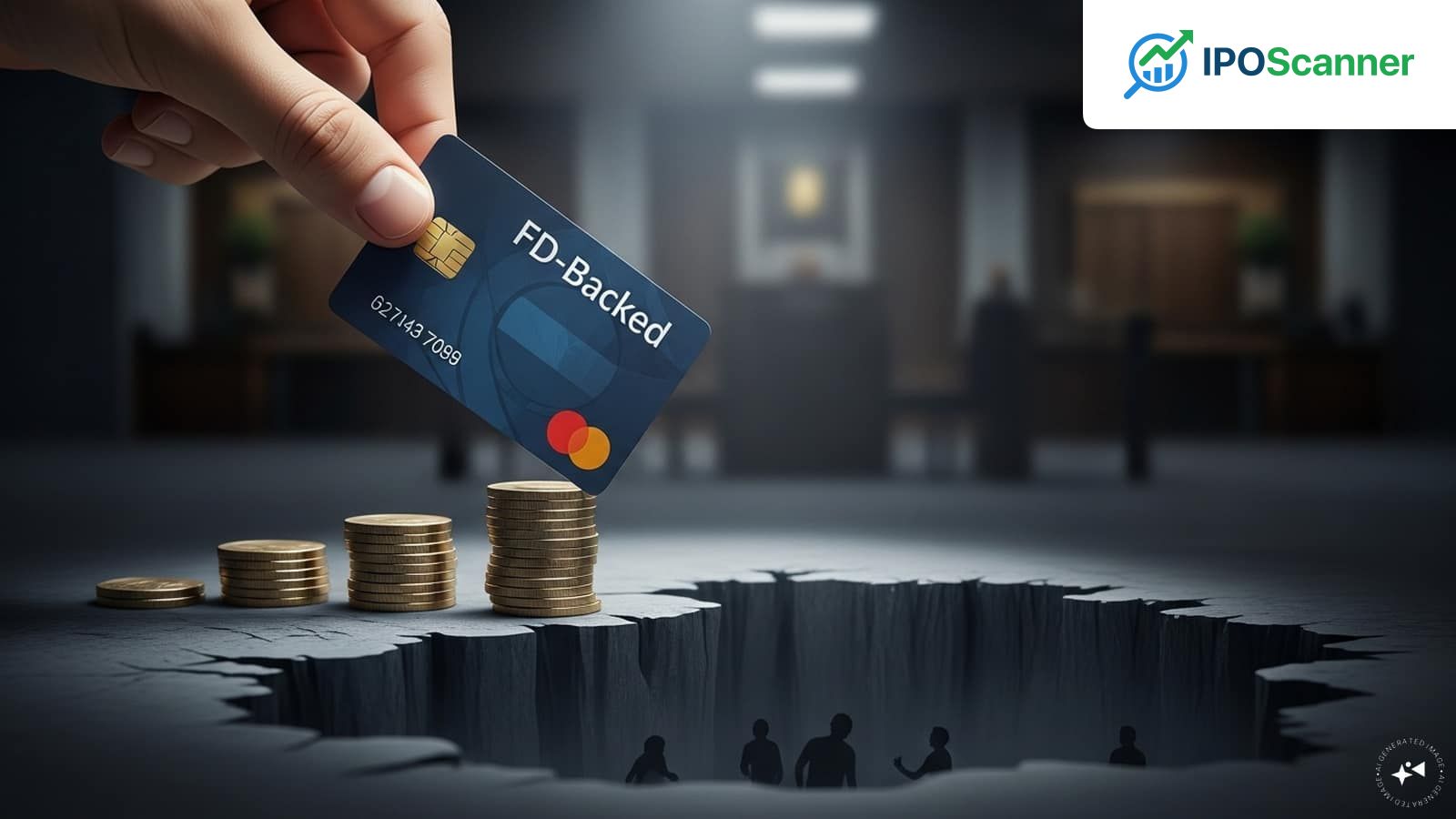
FD-Backed Credit Cards: A Deceptively Simple Solution with Risks Beneath the Surface
FD-Backed Credit Cards: Understanding the Hidden Risks
FD-backed credit cards are often touted as the "safe" way to start building credit, especially for individuals without a strong credit history or income proofs. However, a closer look reveals that this option comes with its own set of risks and limitations.
How it Works
When you opt for an FD-backed credit card, you essentially provide the bank with a safety net. Your fixed deposit is held as collateral, and your credit limit is typically 75-90 percent of the deposit amount. For instance, if you place Rs 1 lakh in an FD, you'll receive a card with a credit limit below that amount. The card functions like a regular credit card, with spending, billing, and repayment cycles. However, if you fail to repay your dues on time, the bank can dip into your FD to recover its losses.
Why People Choose FD-Backed Cards
Individuals new to credit often find this option appealing due to its ease of approval and minimal risk for the bank. Additionally, FD-backed cards can be used by those looking to rebuild their credit after a setback. The approval process is typically swift, as the bank is not taking on much risk, given the collateral provided by the FD.
| Comparison of FD-Backed Cards | | --- | --- | | FD Amount | Credit Limit | | Rs 1 lakh | 75-90% of Rs 1 lakh (Rs 75,000 - Rs 90,000) |
Where FD-Backed Cards Can Help
Read also: Missing a Single EMI Payment Can Adversely Impact Credit Profile
Used responsibly, an FD-backed card can help build a credit history by showcasing regular usage and timely repayments on your credit report. This, in turn, can make it easier to obtain better financial products, such as loans or unsecured credit cards, in the future. Moreover, the FD-backed card naturally limits your spending capacity, as your credit limit is directly linked to your FD, helping to maintain financial discipline.
The Part That's Easy to Miss
While the "safe" feeling associated with FD-backed cards may be reassuring, it's essential to remember that the interest rates are not necessarily cheaper. If you fail to pay your bill in full and carry a balance, the charges can be as high as 30 percent per annum, matching those of regular credit cards. This can result in a substantial gap between the interest earned on your FD (6-7 percent) and the interest charged on your credit card debt.
Additional Risks
Furthermore, having an FD-backed card can limit your liquidity, as you cannot freely use the funds in your FD while the card is active. If you default on your payments, the bank can simply break the FD to recover its dues. It's also crucial to evaluate the quality of the card itself, as some banks offer basic versions with limited features but charge annual fees.
Conclusion
An FD-backed credit card can be a useful tool for building discipline and creating a credit history, but it's essential to use it responsibly. If you spend within your means, clear your dues in full every month, and treat the card as a regular credit card, it can be a valuable learning experience. However, if you fail to use it wisely, you may end up in the same financial predicament as with any other credit card, with the added burden of tied-up savings.
More in General
Correcting Credit Score Errors: A Guide to Ensuring Accurate CIBIL Reports and Optimal Loan Eligibility

Missing a Single EMI Payment Can Adversely Impact Credit Profile
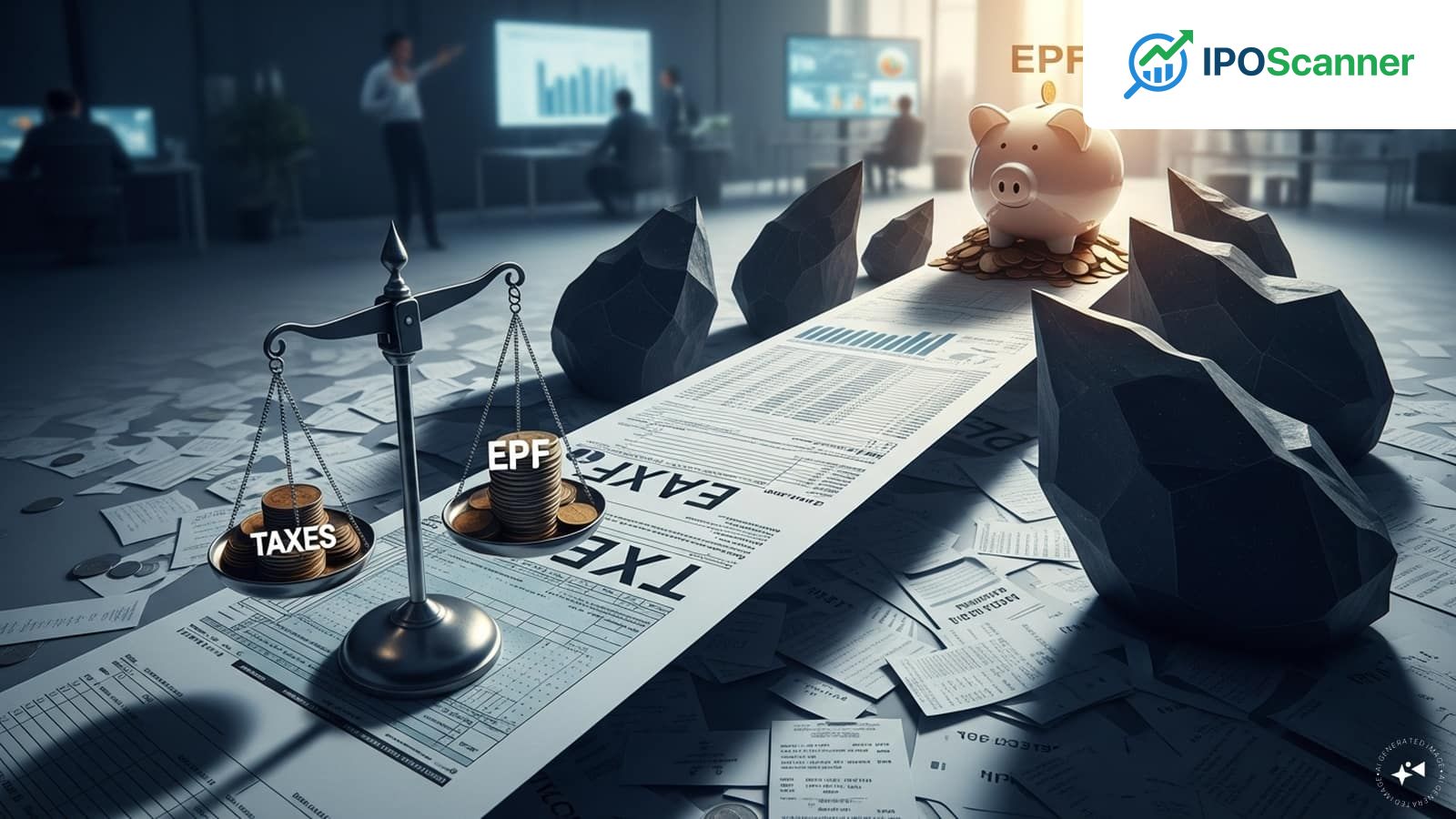
EPF Withdrawal Comes with Tax Implications: A Guide to Understanding the Consequences