
Exploring the Intersection of Artificial Intelligence and Dharmic Principles in Ethical Decision-Making
Rashtriya Swayamsevak Sangh (RSS) Chief Mentor Mohan Bhagwat's Calls for Appropriate AI Use Raise Concerns Over Ethics
The issue of artificial intelligence (AI) ethics has gained significant attention in recent times, particularly in the context of governance and social order. In October 2025, a global conference organized by the Oxford Dharma Centre for Research and Policy in the United Kingdom discussed the topic at length. Dr. Arijit Patra, a senior lecturer at the University of Glasgow, and Nitish Rai Parwani, a D.Phil. scholar at the University of Oxford, presented a co-authored working paper that highlights the major gaps in the ethical framework of AI due to the domination of the Western intellectual paradigm.
The working paper presented by Patra and Parwani is of great significance for both India and the Global South, as it underlines the potential long-term consequences of a biased AI ethics framework. If left uncorrected, this could lead to chaos and disruptions not only in Indian and Global South societies but also in the Western world.
The Role of 'Dharma' in AI Ethics
Read also: Kumar Mangalam Birla to Address Concluding Function of RSS Training Camp
In the context of AI ethics, Patra and Parwani suggest looking at the concept of 'Dharma' as a philosophical framework that can provide a more balanced and harmonious approach. According to Professor Diwakar Nath Acharya at the University of Oxford, 'Dharma' literally means the one 'that sustains' and denotes a universal principle of sustainability that has been recognized, practiced, and elaborated within diverse schools of thought in the Indosphere.
Framework Gaps and the Need for a Complementary Approach
Patra and Parwani's research reveals that the current AI ethics frameworks are predominantly grounded in post-Enlightenment Western philosophical assumptions, particularly individualism, rights-based liberalism, and utilitarian reasoning. While these frameworks have produced valuable insights and regulatory tools, they inadequately address the long-term ethical challenges posed by socially embedded AI systems.
| Region | Number of Guidelines | Percentage of Guidelines Reflecting Western Norms |
|---|---|---|
| Western MEDCs | 20 | 100% |
| Global South | 15 | 80% |
| India | 5 | 60% |
Read also: The Cost of Healthcare: Why Predictability in Medical Inflation is Crucial for Health Insurance
Empirical mapping of global AI guidelines shows that many principles described as "universal" largely reflect the normative vocabulary of Western MEDCs. This asymmetry shapes the conceptual boundaries of AI ethics by limiting what counts as a moral problem and what solutions are thinkable.
Introducing Dharma as a Complementary Framework
If we introduce Dharma as a complementary framework for AI ethics from a Global South perspective, it would contribute to three key shifts:
- An 'ontological shift' from the isolated, atomistic individual to the relational self
- A 'teleological shift' from merely preventing harm to promoting Yogakshema (welfare encompassing abhyudaya and nihasreyasa)
- A 'methodological shift' from universal abstraction to context-sensitive judgement guided by desa-kaala-patra (place-time-agent)
Risks and Conclusion
Patra and Parwani have underlined the threats from a non-Dharmic AI ethics framework, which is currently being pursued. Without deliberate, inclusive, and ethically grounded interventions, AI risks perpetuating existing power asymmetries, eroding trust, and undermining human agency. Conversely, if harnessed responsibly and equitably, AI holds the potential to solve some of humanity's most pressing challenges, ushering in shared prosperity and flourishing.
The integration of Dharma-based principles into the global discourse on AI ethics offers a vital framework that must be integrated with the existing Western framework. It isn't a substitute but must be treated as complementary to address the specific ontological, teleological, and methodological limitations of the prevailing Western paradigm.
More in General
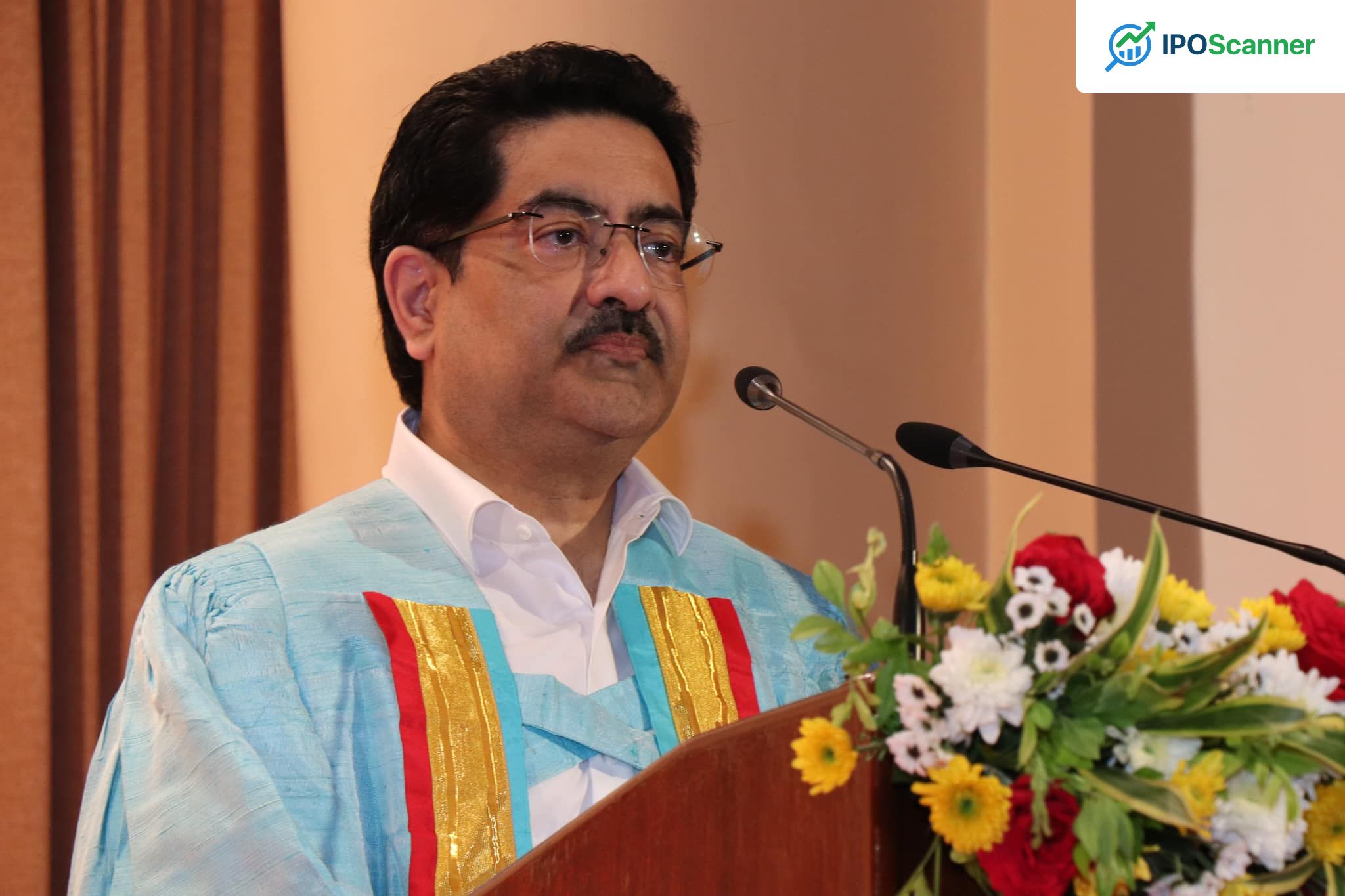
Kumar Mangalam Birla to Address Concluding Function of RSS Training Camp

The Cost of Healthcare: Why Predictability in Medical Inflation is Crucial for Health Insurance

Former Google Executive Warns AI Risks Stem from Human Misuse, Not Technological Limitations