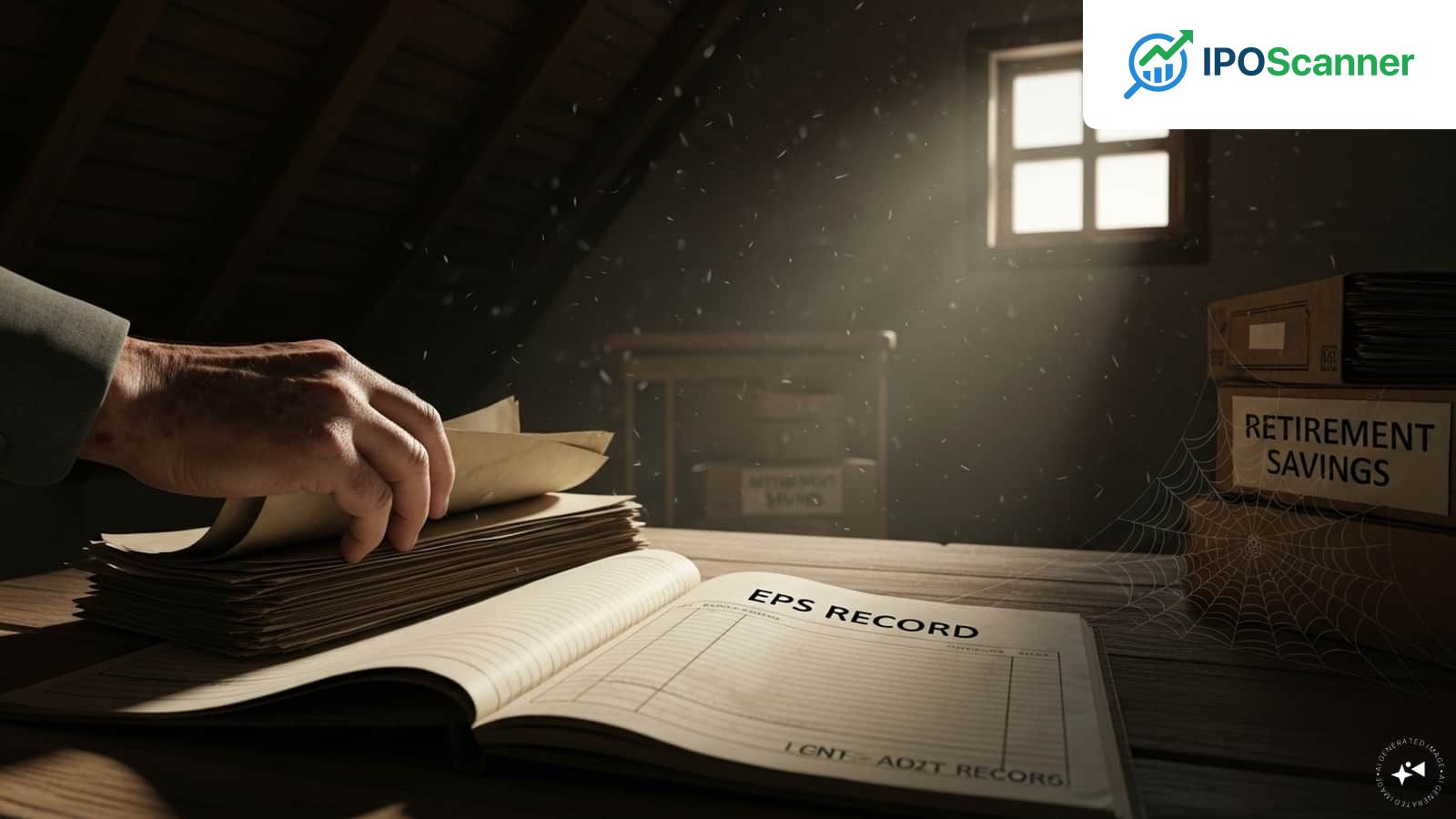
EPF Savings: Ignoring Your EPS Record Can Quietly Reduce Retirement Income
EPF and EPS: Understanding the Pension Scheme
Most people keep a close eye on their EPF balance, the number that steadily grows every month. However, there's another crucial part of the system that often gets overlooked: the Employees' Pension Scheme (EPS). Ignoring it can cost you more than you realize, especially when it comes to retirement income.
EPF and EPS: What's the Difference
When you and your employer contribute to your EPF, not all of your employer's share goes into your EPF balance. A portion is diverted into the EPS, which is meant to provide you with a monthly pension after retirement. Unlike EPF, which you can see as a growing corpus, EPS works in the background and often receives less attention.
Why EPS Records Matter So Much
Your future pension under EPS isn't based on how much money is sitting in an account. It depends on factors like your years of service and pensionable salary. If your service records are incomplete or incorrect, your pension calculation can be affected. Even a few missing years can reduce the monthly pension you're eligible for.
Job Changes Cause Gaps in EPS Records
Every time you switch jobs, your EPF account is transferred, but EPS service details need to be carried forward properly as well. If that doesn't happen, your service history can get broken into pieces. And when your service isn't continuous on record, your pension eligibility and amount can both take a hit.
Read also: Missing a Single EMI Payment Can Adversely Impact Credit Profile
| Scenario | Impact on EPS Pension | Difference in Monthly Pension |
|---|---|---|
| Complete and accurate EPS records | Eligible for full pension | $0 |
| Incomplete or incorrect EPS records | Eligible for reduced pension | 10-20% reduction |
| Broken service history | Eligible for significantly reduced pension | 30-50% reduction |
Why People Miss This
Unlike EPF, there isn't always a clear, easy-to-read balance for EPS. It doesn't show up in the same way, so it's easy to assume everything is in order. Also, pension feels like a distant concern, so most people don't check these details until much later — sometimes when it's harder to fix.
What You Should Be Checking
It helps to review your EPF passbook and service details periodically, especially after changing jobs. If something looks off, it's easier to correct it earlier rather than waiting until retirement.
Why This Matters in the Long Run
EPF gives you a lump sum. EPS gives you a monthly income. If your EPS records are accurate and complete, that pension can act as a steady base in retirement. If not, you may end up receiving less than what you're actually entitled to.
The Bottom Line
It's easy to focus only on your EPF balance because it's visible and growing. But your EPS record quietly decides your future pension. Taking a little time to check it now can make a real difference to your retirement income later.
Frequently Asked Questions
- What is EPS in EPF? EPS means Employees' Pension Scheme. This scheme forms a component of the EPF and is supposed to ensure a monthly pension after retirement.
- Can the mistakes in EPS be rectified at a later stage? Yes, but this might take some time. It's much easier to identify and fix discrepancies early, especially soon after a job change.
- Does EPS give a lump sum like EPF? No. EPF provides a lump sum on retirement, while EPS is designed to give a regular pension income.
Investor Takeaway
Regularly review and update your EPS records to ensure accurate retirement income.
More in General
Correcting Credit Score Errors: A Guide to Ensuring Accurate CIBIL Reports and Optimal Loan Eligibility

Missing a Single EMI Payment Can Adversely Impact Credit Profile
EPF Withdrawal Comes with Tax Implications: A Guide to Understanding the Consequences