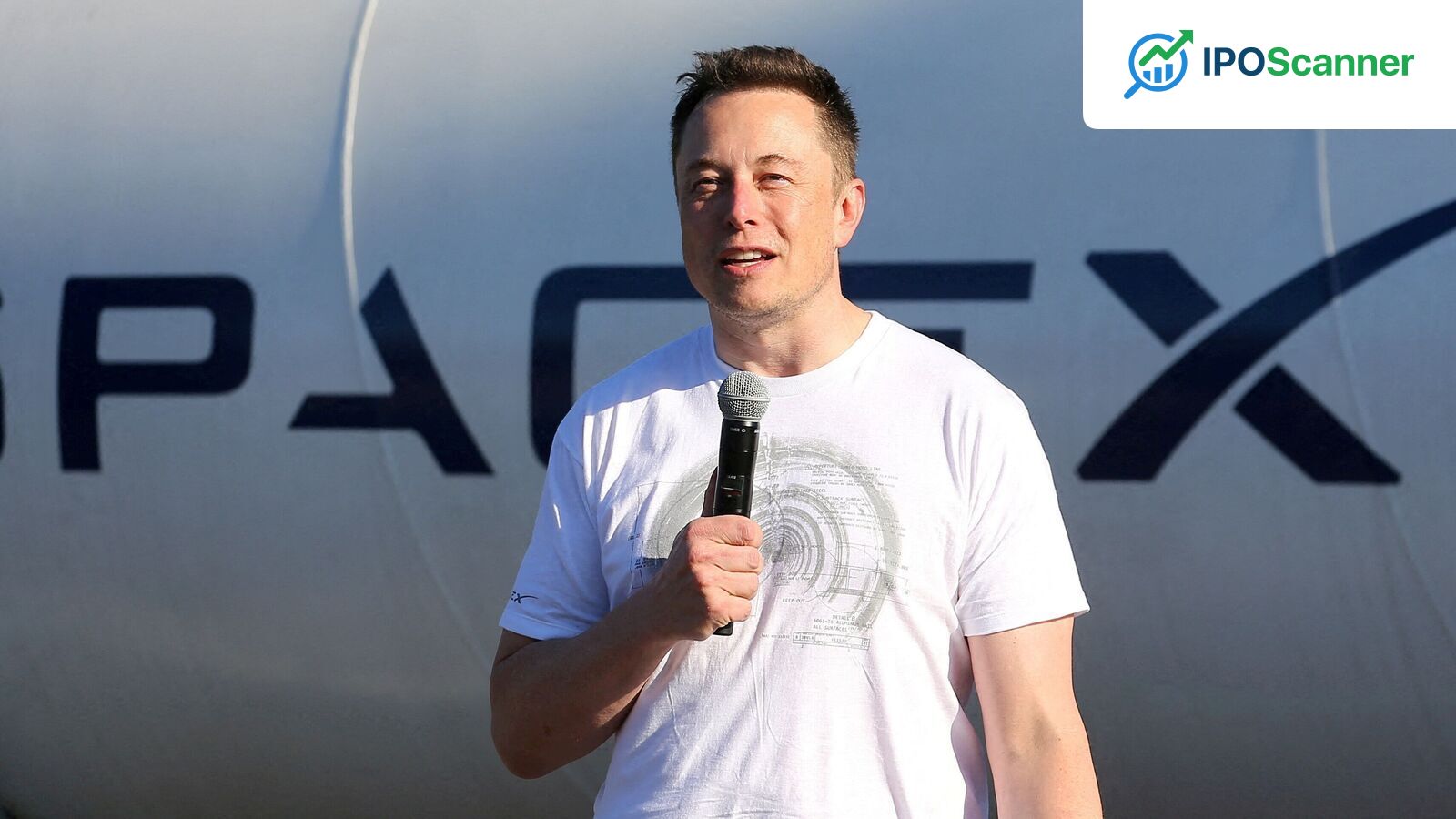
Elon Musk's Control Over SpaceX Expands Amid Controversy Over Voting Shares and Governance Structure
SpaceX's Unconventional Governance Arrangements Raise Concerns Ahead of Potential IPO
SpaceX, the private aerospace manufacturer and space transport services company valued at over $1.25 trillion, has introduced a series of unconventional corporate governance arrangements that further strengthen the power of its founder and CEO, Elon Musk. According to a report by The New York Times, the company has granted Musk a massive restricted stock package earlier this year, while also structuring voting rights, board oversight, and shareholder protections in ways that governance experts argue overwhelmingly favor Musk over outside investors.
SpaceX is reportedly preparing for an initial public offering (IPO) that could launch as soon as next month. As part of the IPO preparations, Musk was awarded 1.3 billion restricted shares in January under a compensation package tied to ambitious milestones, including establishing a Mars colony with one million inhabitants and deploying powerful data centers into space. Although Musk has not achieved those goals, the report said he is still allowed to vote those shares in shareholder matters.
The arrangement is highly unusual, according to corporate governance experts. "I have never heard of this," Ann Lipton, a law professor at the University of Colorado Boulder, was quoted as saying. "He basically found a way to hack the normal rules of corporate organization."
Comparison of Voting Power
| Company | Voting Power Controlled by CEO |
|---|---|
| SpaceX | 85% |
| Meta Platforms (Mark Zuckerberg) | 61% |
The New York Times reported that SpaceX also disclosed several other governance arrangements that differ sharply from traditional public companies. These arrangements include:
- Not planning to maintain a majority-independent board
- Not relying on an independent compensation committee to determine executive pay
- Requiring shareholder disputes under federal securities law to go through arbitration rather than court proceedings
Read also: SMR Jewels IPO Successfully Lists with Institutional Support
Governance experts told the news outlet that these measures effectively shield Musk from outside challenges while tightening his grip over the company. "These measures are a defensive moat," Brian Quinn, a law professor at Boston College, was quoted as saying. He added that they would "entrench him permanently" as chief executive.
Musk controls approximately 85% of shareholder voting power, thanks to his special Class B "super voting" shares. Outside investors hold Class A shares with one vote each, while Musk's Class B shares carry 10 votes per share.
The report noted that even executives with powerful voting control at other major technology firms hold smaller influence. For comparison, Mark Zuckerberg controls about 61% of voting power at Meta Platforms.
Some of SpaceX's governance policies have already triggered criticism from public pension officials. The officials objected to the company's requirement that shareholder lawsuits be handled through mandatory arbitration instead of traditional court proceedings.
The New York Times noted that even Tesla, another Musk-led company often criticized for governance concerns, imposes more restrictions on executive compensation voting rights. However, at SpaceX, Musk can already vote shares tied to future goals he has not yet accomplished.
Corporate governance experts warn that SpaceX's structure should concern potential IPO investors. "It's terrible for shareholders," Quinn reportedly said. Ann Lipton also expressed alarm over the company's governance model. "SpaceX's corporate governance structure freaks me out."
Investor Takeaway
Investors should be cautious of the governance structure and voting rights arrangements that may favor the founder and CEO ahead of the IPO.
More in IPO
SpaceX Seeks Record $75 Billion IPO, Potentially Positioning Elon Musk as the World's First Trillionaire

SMR Jewels IPO Successfully Lists with Institutional Support
Zepto Nears $1 Billion Quarterly Net Order Value Milestone Before IPO