Economic Liberty and Its Price in Emily Brontë's 'Wuthering Heights'
Emerald Fennell's 2026 Adaptation of 'Wuthering Heights' Breaks Box Office Records
$92 million worldwide gross in opening week exceeds $80 million production budget
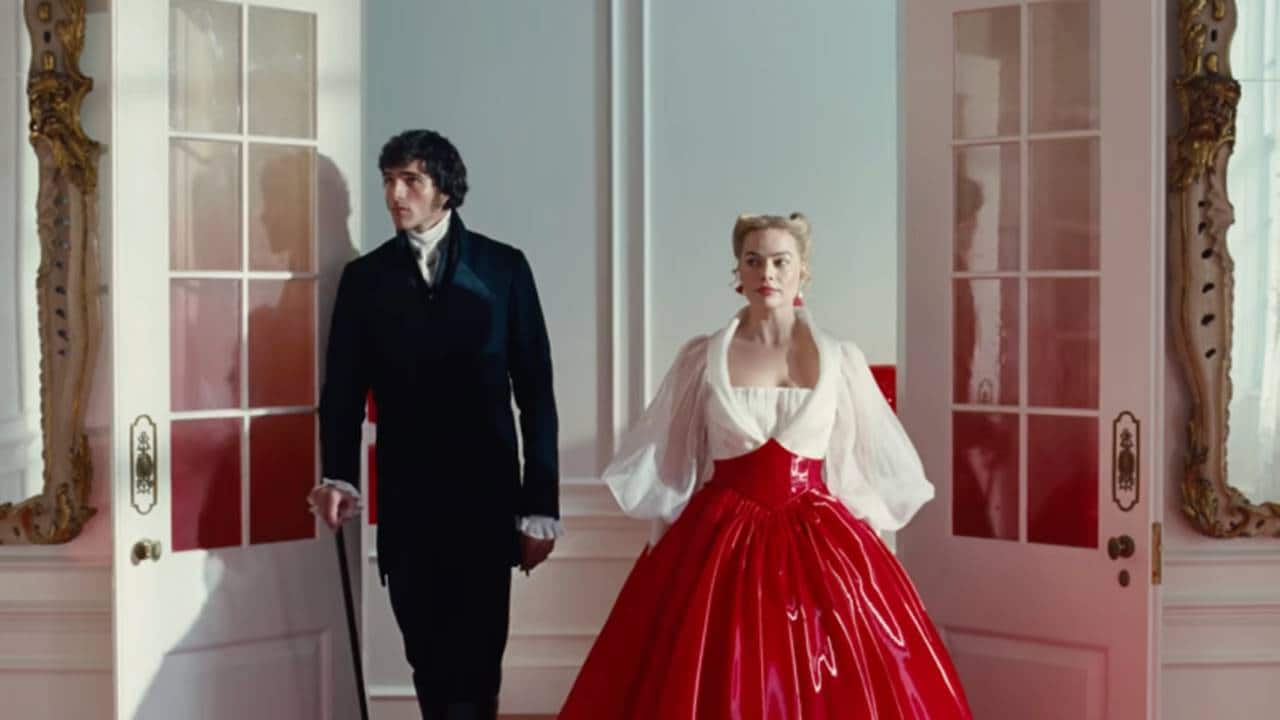
The 2026 film adaptation of Emily Brontë's classic novel 'Wuthering Heights' has been a commercial success, grossing $92 million worldwide in its opening week against an $80 million production budget. Directed by Emerald Fennell, the film offers a feminist-economic perspective on the novel, exploring the complex relationships between love, desire, and material constraints.
Fennell's Direction and Cinematography
Read also: Kumar Mangalam Birla to Address Concluding Function of RSS Training Camp
Fennell's adaptation opens with a stark and visceral portrayal of the brutal world of 19th-century England, setting the tone for the rest of the film. The cinematography, handled by Linus Sandgren, is precise and documentary-like, rendering the world viscerally real. The film's use of light and shadow creates a sense of tension and foreboding, underscoring the themes of love, loss, and strategic decision-making.
Feminist-Economic Insights
The film's portrayal of the central love story between Catherine Earnshaw and Heathcliff is a nuanced exploration of the constraints placed on women in a patriarchal society. Margot Robbie brings depth and complexity to her portrayal of Catherine, a woman who is aware of the economic and social implications of her choices. Her decision to marry Edgar Linton is not a romantic caprice, but a rational risk aversion that minimizes vulnerability.
The Economics of Othering
Read also: The Cost of Healthcare: Why Predictability in Medical Inflation is Crucial for Health Insurance
Jacob Elordi's portrayal of Heathcliff is a powerful exploration of the economics of othering. As a character denied legitimate inheritance and forced to navigate a rigid class and gender order, Heathcliff's calculated accumulation of wealth and power is a classic example of rent-seeking. His revenge is a testament to the destructive nature of channeling pain and longing into aggression and retaliation.
Conclusion
Emerald Fennell's 2026 adaptation of 'Wuthering Heights' is a thought-provoking and visually stunning film that offers a fresh perspective on the classic novel. By exploring the complex relationships between love, desire, and material constraints, the film provides a nuanced and feminist-economic analysis of the human experience.
More in General

Kumar Mangalam Birla to Address Concluding Function of RSS Training Camp

The Cost of Healthcare: Why Predictability in Medical Inflation is Crucial for Health Insurance

Former Google Executive Warns AI Risks Stem from Human Misuse, Not Technological Limitations