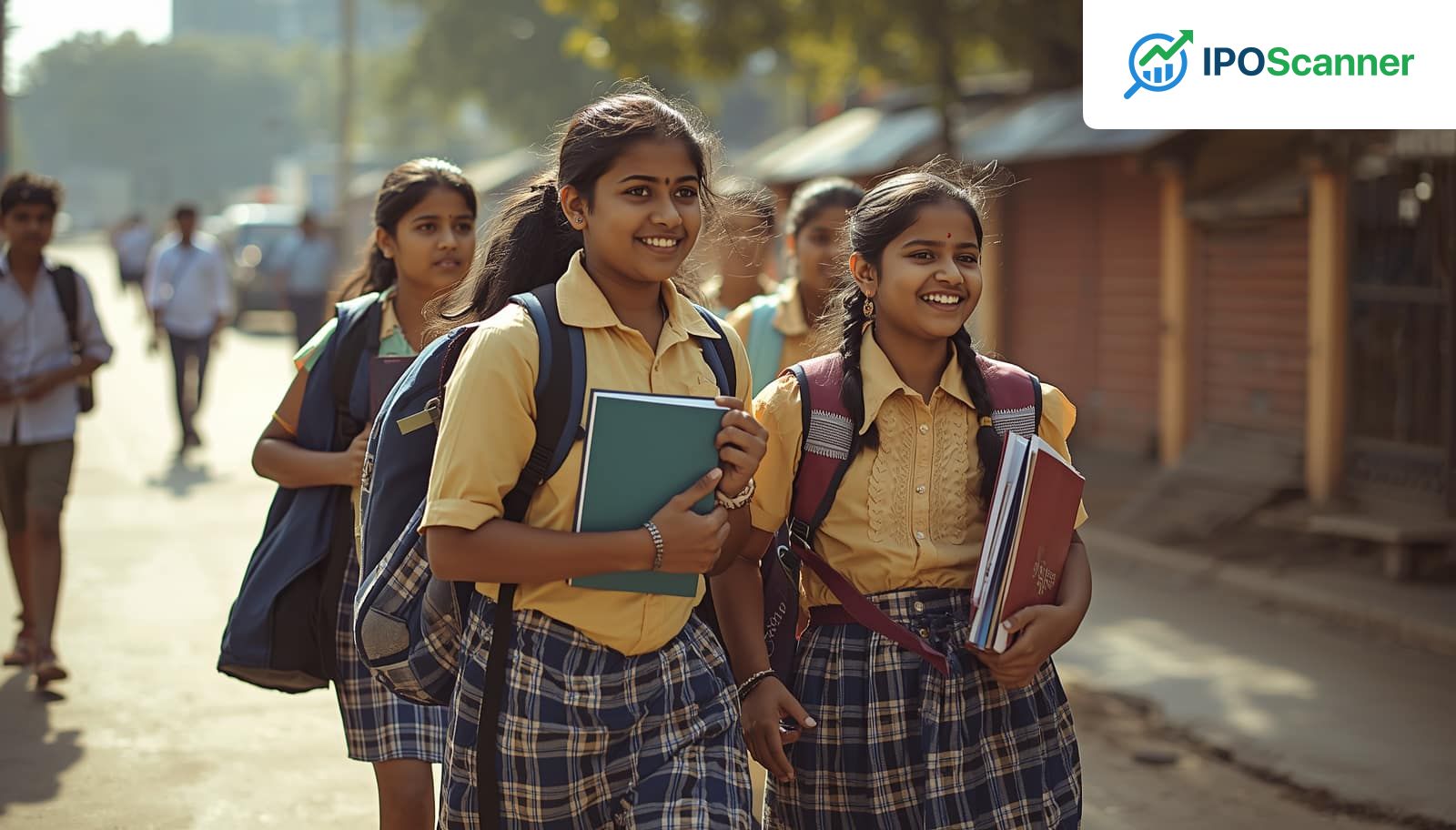
Early Withdrawals from Sukanya Samriddhi Schemes: Understanding the Process
Sukanya Samriddhi Yojana Withdrawal Rules: What You Need to Know
The Sukanya Samriddhi Yojana (SSY) is a popular long-term savings scheme designed to encourage parents to save for their daughter's future. While it is often seen as a lock-it-and-forget-it investment, life can be unpredictable, and emergencies or changes in plans can arise earlier than expected. In such cases, it's essential to understand the rules governing withdrawals from an SSY account.
Understanding the Withdrawal Rules
An SSY account matures after 21 years from the date of opening, and until then, withdrawals are restricted to ensure long-term savings. However, there are a few exceptions to this rule.
| Withdrawal Type | Conditions | Percentage of Balance Withdrawable |
|---|---|---|
| Partial Withdrawal after 18 | Girl child turns 18 | Up to 50% of balance |
| Premature Closure | Marriage after 18, Death of account holder, Extreme financial hardship | Entire balance |
Partial Withdrawal after 18
Once the girl child turns 18, parents can withdraw up to 50% of the balance, typically for higher education expenses. The amount withdrawn is calculated based on the balance at the end of the previous financial year. This withdrawal can be taken in instalments over a few years, depending on the requirement.
Valid Use of Withdrawal
Read also: Missing a Single EMI Payment Can Adversely Impact Credit Profile
The scheme allows withdrawal mainly for education-related expenses, including college fees, admission costs, and other related expenses. Parents may be asked to provide documents like admission proof or the fee structure when applying for withdrawal.
Premature Closure
There are a few situations where the account can be closed before 21 years. These include:
- If the girl gets married after turning 18, the account can be closed.
- In more serious cases, like the death of the account holder or extreme financial hardship, premature closure may also be allowed, subject to conditions.
Restrictions on Withdrawal
Parents cannot withdraw money freely before the age of 18. They also cannot close the account early just because they need funds for unrelated expenses. The rules are quite specific, and banks or post offices will follow them strictly.
The Withdrawal Process
In case of eligibility, the withdrawal process is straightforward. Parents need to go to the branch where the fund is maintained and fill out a withdrawal form. They will also need to provide proof of age and documents relating to the education, if applying for an educational fund. The money can be given to the guardian or the individual concerned, depending on the situation.
Why Planning Matters
SSY has limited liquidity, making it best when used alongside other investments. It can be very restrictive if it's the only option for saving money for a child, since they will not have access to their savings before the required time period elapses. This is why financial experts advise individuals to pair SSY with other types of investments.
The Bigger Picture
SSY remains a popular government plan due to its high-interest rates and tax exemptions. However, its long lock-in period is a significant limitation. Understanding the withdrawal regulations beforehand can prevent confusion in the future.
Investing in SSY
When considering investing in SSY, it's essential to view it as a long-term investment. Apply the plan towards long-term goals such as further studies and marriage, while using other products that provide more flexibility for other purposes. The scheme works best when allowed to grow quietly over time.
Investor Takeaway
You can withdraw money from Sukanya Samriddhi Schemes before maturity, but only under certain conditions.
More in General

Correcting Credit Score Errors: A Guide to Ensuring Accurate CIBIL Reports and Optimal Loan Eligibility

Missing a Single EMI Payment Can Adversely Impact Credit Profile

EPF Withdrawal Comes with Tax Implications: A Guide to Understanding the Consequences