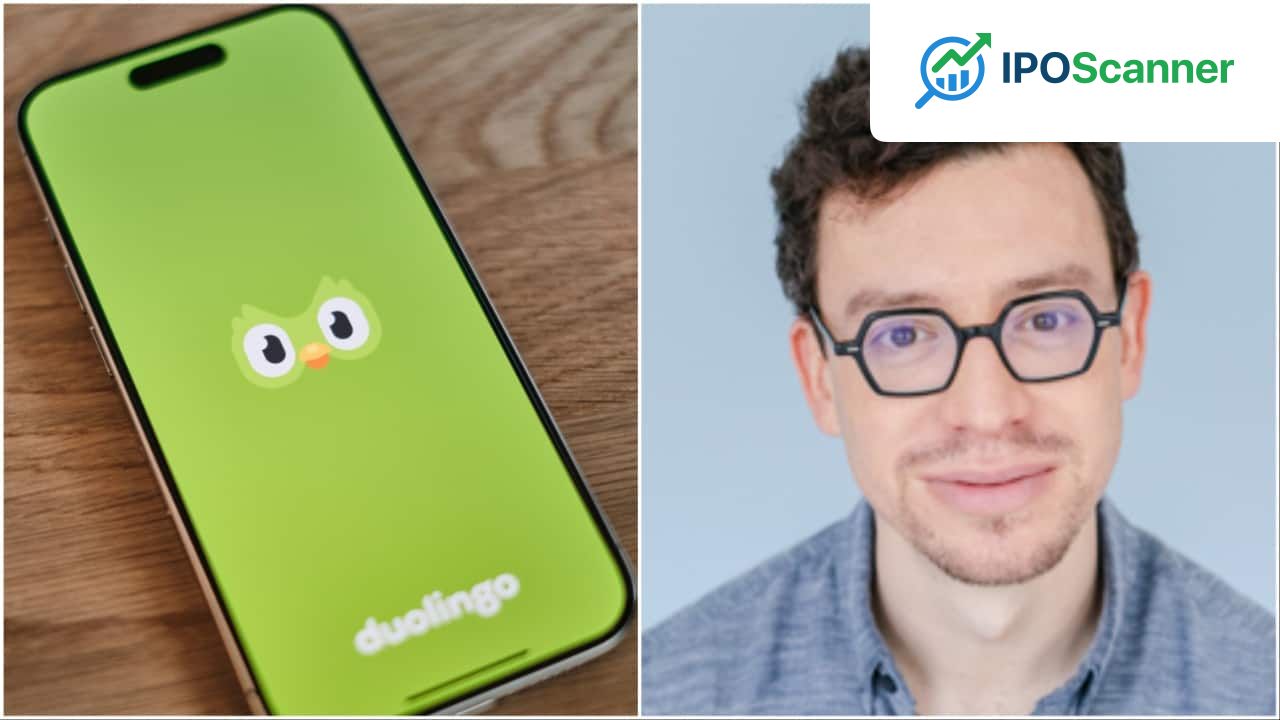
Duolingo CEO Resists Mandatory AI Evaluation for Employees
Duolingo Reverses Policy on AI Usage in Performance Reviews
Duolingo CEO Luis von Ahn has announced a significant shift in the company's approach to evaluating employee performance, abandoning its "AI-first" strategy of last year. The decision follows criticism from employees who felt they were being pushed to adopt artificial intelligence (AI) tools for their own sake, rather than for measurable improvement in results.
According to an interview cited by Fortune, performance reviews at Duolingo will now focus on outcomes and the quality of work, rather than whether AI tools were used in the process. This move comes after employees questioned whether they were being held accountable for the actual outcome of their work, rather than the adoption of AI technology.
| Company | AI Adoption Incentives |
|---|---|
| Duolingo | No longer factoring AI usage into performance reviews |
| Meta | Targets, leaderboards, and pay increases linked to AI use |
| Marketing-tech firms | Experimenting with AI adoption incentives |
Read also: Kumar Mangalam Birla to Address Concluding Function of RSS Training Camp
Von Ahn has acknowledged that the company's initial approach risked measuring activity rather than impact. In a recent interview, he stated that Duolingo had backtracked from its earlier plan to factor AI usage into formal performance reviews. "The most important thing in your performance is that you are doing whatever your job is as well as possible," he said.
Duolingo's "AI-first" strategy was announced in April 2025, with von Ahn circulating an internal memo declaring the company's commitment to prioritizing AI adoption. The memo stated that employee use of AI tools would be tracked in performance reviews, hiring would prioritize AI fluency, and some contract work would be phased out where automation was possible.
However, the announcement sparked backlash from users and contractors, with critics accusing the company of prioritizing automation over people. Von Ahn later said he had not anticipated the scale of the reaction and stressed that AI was meant to enhance, not replace, creative work.
The decision to drop AI usage as a metric followed direct feedback from employees who asked whether management expected them to use AI even when it added little value. This questioning prompted leadership to revisit the policy and separate the company's broader AI ambitions from the mechanics of individual performance appraisals.
Read also: The Cost of Healthcare: Why Predictability in Medical Inflation is Crucial for Health Insurance
While backing away from AI-based evaluations, von Ahn has made clear that Duolingo's commitment to AI remains unchanged. Engineers continue to use AI tools for coding, while product teams use them to create prototypes and test ideas more rapidly. The company is also sticking to other elements of its AI-first framework, including limiting contractor hiring in areas where work can be automated and encouraging teams to rethink workflows to remove bottlenecks.
More in General
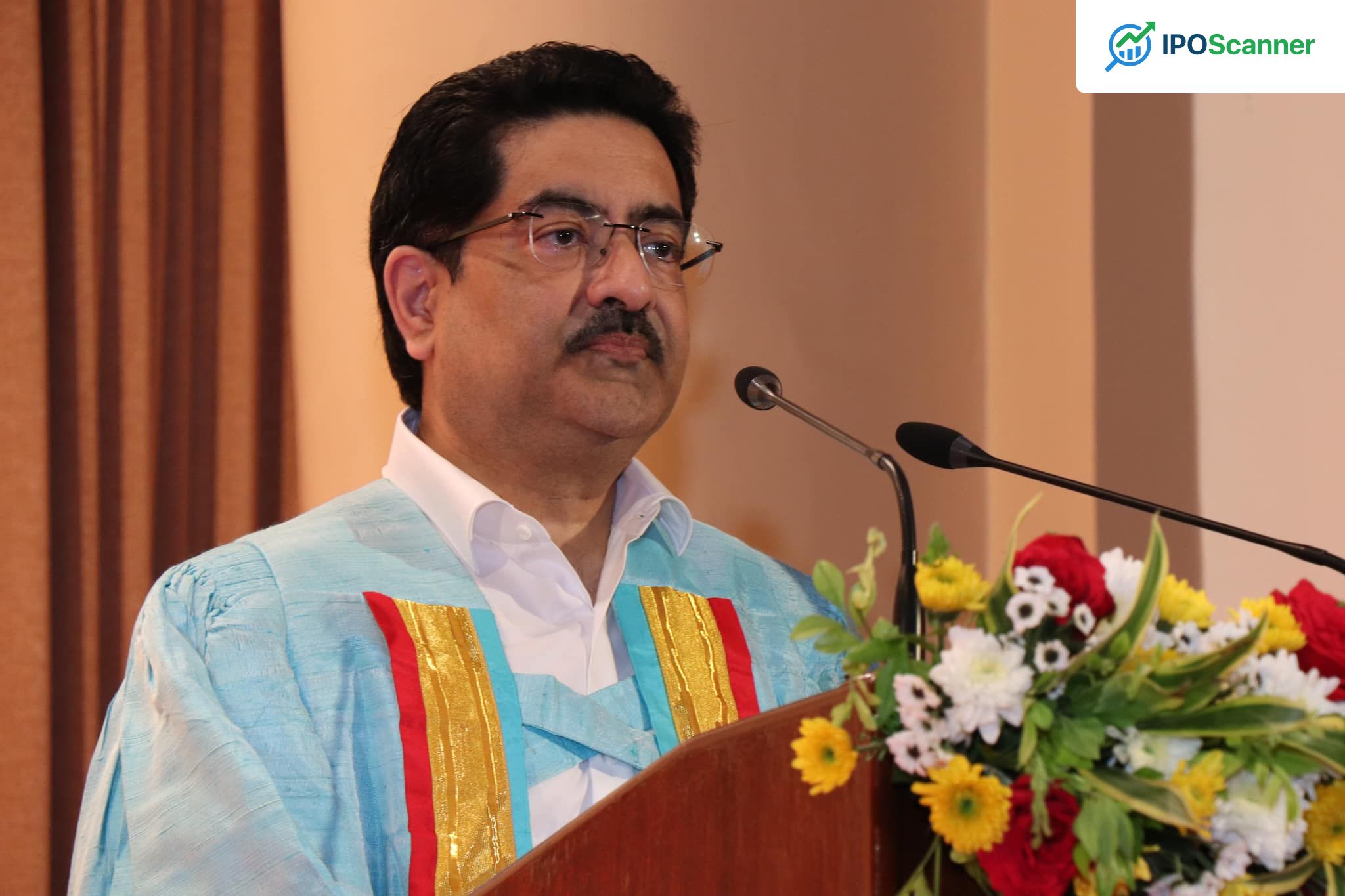
Kumar Mangalam Birla to Address Concluding Function of RSS Training Camp

The Cost of Healthcare: Why Predictability in Medical Inflation is Crucial for Health Insurance

Former Google Executive Warns AI Risks Stem from Human Misuse, Not Technological Limitations