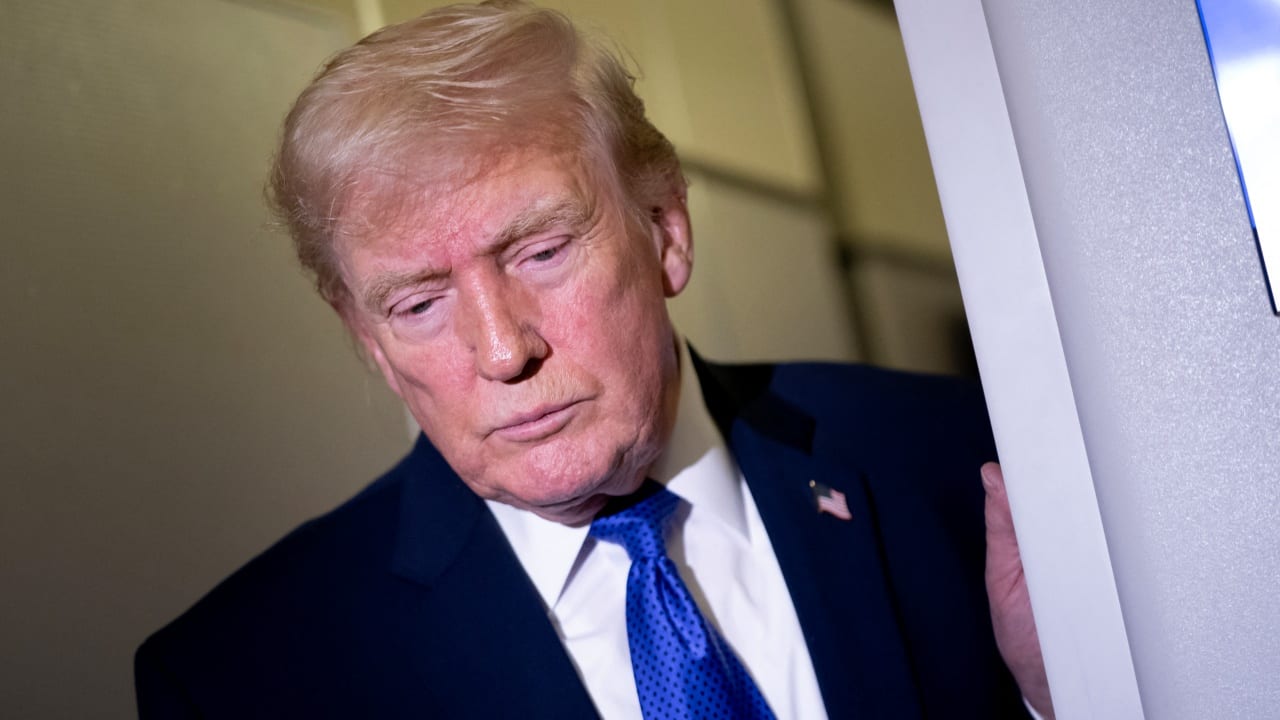
Donald Trump Considers Tariffs on Batteries, Chemicals, Telecom Equipment
National Security Tariffs: Trump Weighs New Measures
US President Donald Trump is considering the implementation of new national security tariffs targeting six key sectors, according to a report by the Wall Street Journal. These industries include:
- Large-scale batteries
- Cast iron and iron fittings
- Plastic pipes
- Industrial chemicals
- Equipment used in power grids
- Telecommunications equipment
The proposed duties would be implemented under Section 232 of the Trade Expansion Act of 1962, which allows the president to levy tariffs on imports deemed a threat to national security.
The planned actions would be separate from the additional tariffs Trump unveiled following last week's court ruling, which included a 15% global tariff that can remain in place for up to 150 days without congressional approval.
This move comes after the Supreme Court ruled that a large portion of Trump's earlier tariff measures were unlawful. Trump has previously invoked Section 232 to impose duties on products such as steel, aluminum, copper, and auto parts, which remain intact and were not affected by the court's judgment.
Market Reaction
The broader market reaction has been mixed, with Asia-Pacific stocks trading sideways on Tuesday as investors assess the renewed tariff rhetoric from Trump alongside concerns that advances in artificial intelligence could disrupt software businesses.
Read also: Treasury Yields Experience Largest Increase in Two Weeks Following Release of Labor Market Data
Additional Tariff Measures
On Monday, Trump announced a 15% worldwide tariff under Section 122 of the Trade Act of 1974 in response to the court's decision to invalidate tariffs imposed under the International Emergency Economic Powers Act.
Investor Takeaway
Investors should be cautious of potential market volatility due to proposed tariffs.
More in Market

SpaceX Seeks Record $75 Billion IPO, Potentially Positioning Elon Musk as the World's First Trillionaire

Treasury Yields Experience Largest Increase in Two Weeks Following Release of Labor Market Data

US-Iran Tensions Spark Uptick in Oil Prices Amid Global Market Decline