Digital Payment Disputes: Understanding the Terms of Refund Obligations
Payment Disputes: Understanding the Timing and Role of the Consumer
When a payment goes wrong, consumers often expect the money to be returned quickly and without much effort. However, the outcome of a payment dispute is not solely determined by the success or failure of the transaction, but also by the role of the consumer in the transaction and the timing of the dispute.
Clear Cases: Automatic Reversals and Unauthorised Transactions
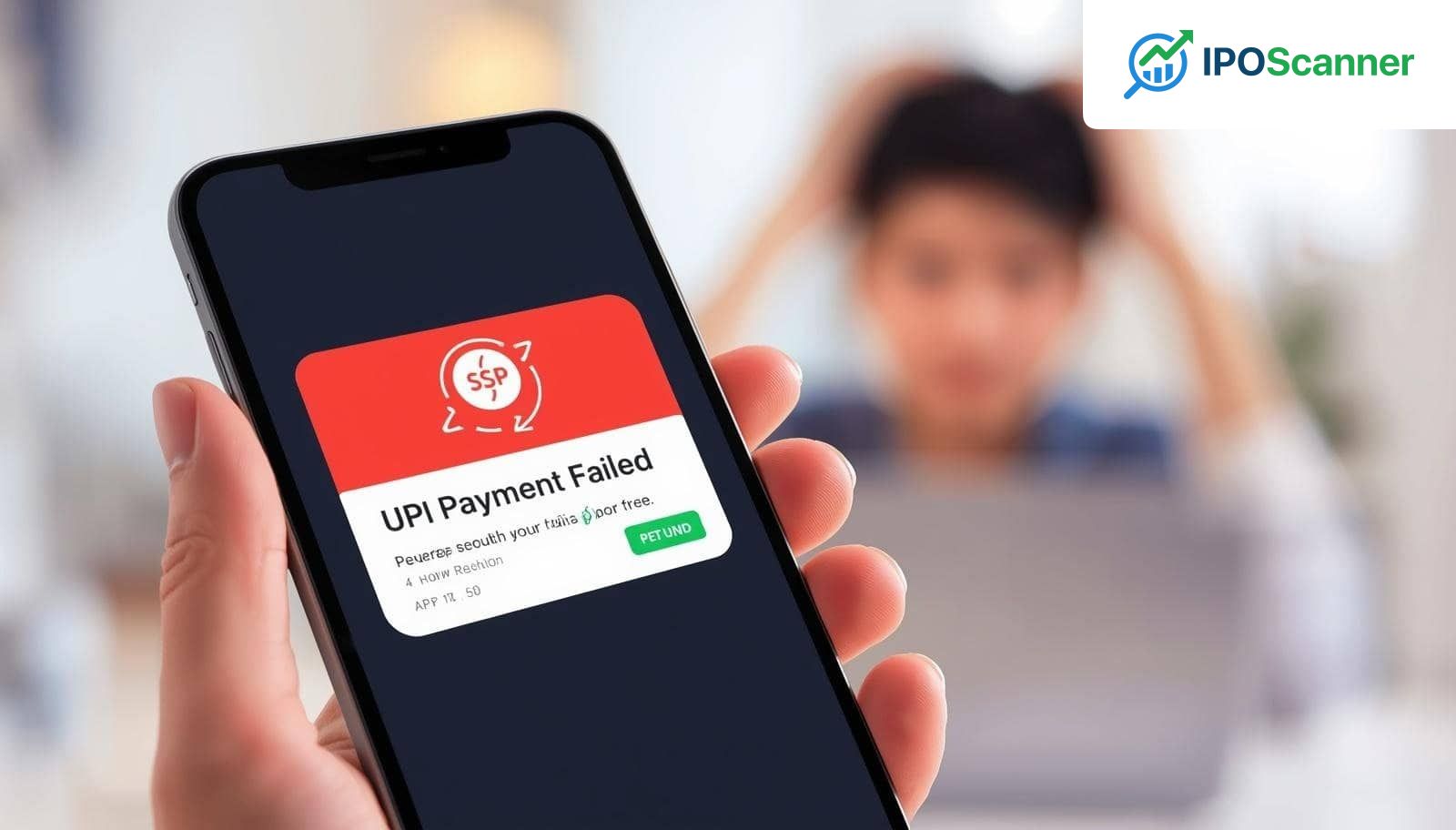
In cases where money is debited but the transaction fails, banks are required to reverse the amount within a defined timeline. This typically occurs automatically within a few hours to a couple of days. If the reversal does not happen, consumers can file a complaint, and the bank is expected to resolve it within the prescribed time frame. Similarly, if there is an unauthorised transaction and the consumer had no involvement, they are generally protected if they report it quickly, ideally within three working days.
The Importance of Timing
The sooner a consumer reports an unauthorised transaction to their bank, the better their chances of getting the money back. If the consumer waits a few days or longer, it becomes harder to argue their case, and the bank may say the loss could have been limited if the consumer had reported it earlier. This can make the difference between getting a full refund and getting only part of it, or nothing at all.
Grey Area: Authorised Transactions
When a consumer authorises a transaction themselves, even if it happens because they were misled, things change. This includes approving a UPI collect request thinking it's a refund, sharing an OTP, or entering their PIN on a fraudulent call. From the bank's perspective, the system worked as intended, and the transaction was authenticated using the consumer's credentials, making it harder to claim it as unauthorised.
Read also: Missing a Single EMI Payment Can Adversely Impact Credit Profile
| Transaction Type | Bank's Role | Consumer's Liability |
|---|---|---|
| Unauthorised transaction | Resolve within prescribed time frame | Zero or very limited liability |
| Authorised transaction | May not refund, depends on evidence | Consumer's liability |
| Failed UPI payment | Reverse amount automatically | No liability |
Merchant Disputes and Payment Modes
In cases where a consumer pays for something but doesn't receive it or receives something different, the bank is not always the first point of resolution. The consumer is expected to take it up with the merchant, and the bank may step in through a chargeback process, depending on the nature of the transaction and the evidence provided. There is also a difference between payment modes, with card transactions often having a more structured chargeback mechanism, while UPI disputes can still feel less straightforward.
Key Takeaways
Refunds are not just about what went wrong, but also about how it went wrong. If the system failed or someone accessed the account without the consumer's involvement, they are usually protected. However, if the consumer was part of the transaction, even unknowingly, the outcome becomes less certain. By pausing before approving a request, checking details, and reporting issues immediately, consumers can make the difference between getting their money back and not.
More in General
Correcting Credit Score Errors: A Guide to Ensuring Accurate CIBIL Reports and Optimal Loan Eligibility

Missing a Single EMI Payment Can Adversely Impact Credit Profile

EPF Withdrawal Comes with Tax Implications: A Guide to Understanding the Consequences