DG Shipping Directs Port Authorities, Terminal Operators to Pass on Concessions to Exporters
Shipping Ministry Directs Port Authorities to Pass on Concessions to Exporters
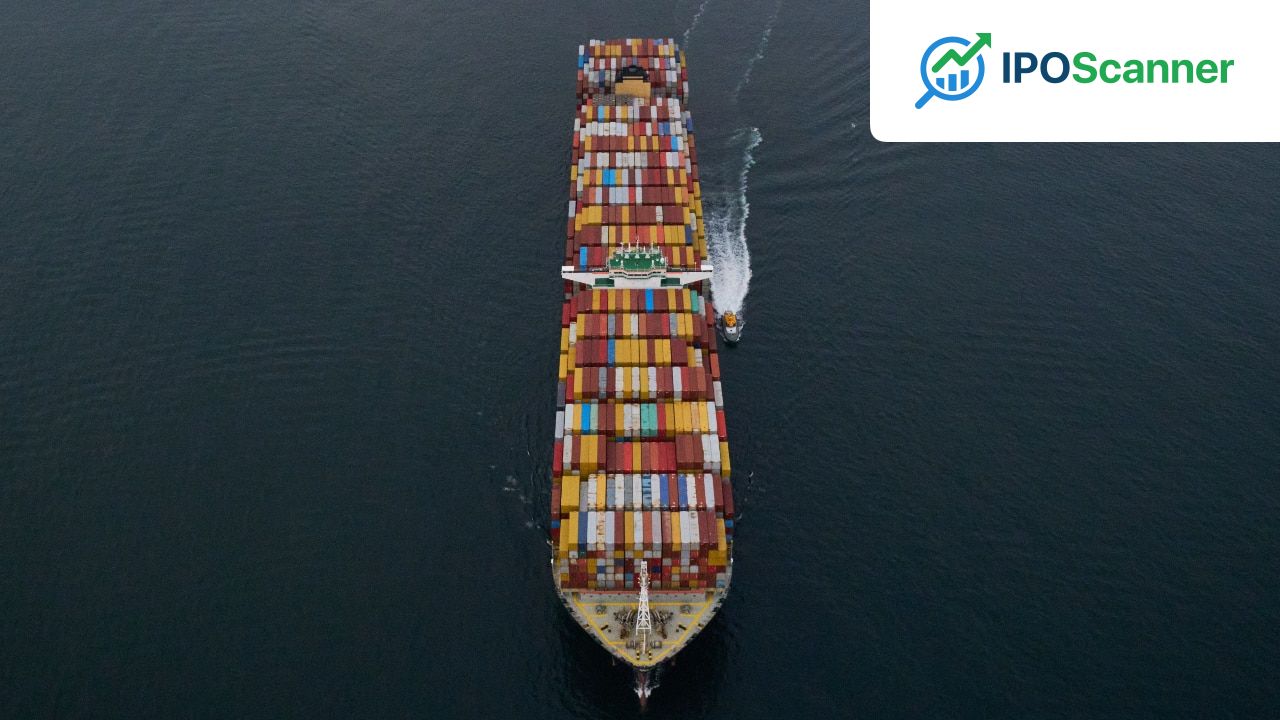
The Directorate General of Shipping has issued an advisory to port authorities and terminal operators, directing them to immediately pass on concessions to exporters affected by their stranded shipments to West Asia. This move comes in response to the ongoing crisis, which has seen a significant backlog of shipments.
On March 7, the Shipping, Ports and Waterways Ministry proposed that ports may consider requests for the reduction, waiver, or remission of charges, including the change of vessel charge. A standard operating procedure (SoP) was also rolled out to guide port authorities in dealing with issues arising from the West Asia crisis.
The Directorate General of Shipping (DGS) has observed that concessions granted by port authorities are not being uniformly passed on to exporters. Instead, terminal operators are charging Non-Vessel Operating Common Carriers (NVOCC) and then reimbursing them, which delays the concession from reaching the exporters. To address this issue, DGS has directed that all concessions approved by port authorities and terminal operators be directly and transparently passed on to concerned stakeholders, including freight forwarders and shipping intermediaries.
Read also: Treasury Yields Experience Largest Increase in Two Weeks Following Release of Labor Market Data
Concessions to be Directly Passed on to Exporters
As part of these remedial measures, DGS has stated that the current practice of routing adjustments through procedural reimbursements or post-facto claims will be discontinued with immediate effect. Port authorities will be responsible for monitoring compliance at the terminal level to ensure that the benefit of concessions reaches the intended beneficiaries without delay.
Ports and terminal operators have also been advised to ensure strict compliance with these measures to maintain transparency in cost structures, protect exporter interests, and ensure operational continuity during the ongoing crisis. DGS has highlighted specific instances where additional charges are being levied for diversion of cargo or discharge at alternate ports, without adequate documentation.
Documentation of Additional Charges
Read also: US-Iran Tensions Spark Uptick in Oil Prices Amid Global Market Decline
In response to these concerns, DGS has directed that all additional charges imposed by shipping lines be formally documented. This is critical to ensure that exporters are able to avail claims under the RELIEF Scheme.
Review of War Risk Premium
The war risk premium being levied on cargo has undergone changes, which may not be fully aligned with the earlier circular on the issue. In light of the evolving situation, the matter is being taken up with insurance providers.
| Port | Current Charges | Proposed Changes |
|---|---|---|
| Mumbai Port | 10% increase in detention charges | Waiver of detention charges for exporters |
| Jawaharlal Nehru Port | 5% reduction in ground rent | Reduction of ground rent by 10% for exporters |
| Visakhapatnam Port | 2% increase in reefer plug-in charges | Waiver of reefer plug-in charges for exporters |
More in Economy

Treasury Yields Experience Largest Increase in Two Weeks Following Release of Labor Market Data

US-Iran Tensions Spark Uptick in Oil Prices Amid Global Market Decline

MoSPI Releases Uniform Norms for DDP Estimates with 2022-23 Base Year

