
CXO Exit Epidemic: The Rise of Ghosting in Corporate Leadership
The Unseen Consequences of Leadership Hiring in Corporate India
Leadership hiring at senior levels is a complex, time-consuming, and expensive process. By the time a CEO, board member, or business leader reaches the offer stage, organisations have typically invested months in conversations, assessments, reference checks, and internal alignment. Recruiters and promoters spend substantial time understanding the candidate's motivations, leadership style, and cultural compatibility. Compensation structures are redesigned, reporting relationships recalibrated, and succession plans adjusted around the incoming executive.
However, a growing concern among promoters and leadership recruiters is not candidates declining offers, but rather the tendency among some senior executives to accept leadership roles formally and then disengage without professional closure. This phenomenon, known as "competitor shopping," where candidates use external offers to negotiate higher compensation or better terms within their existing organisation, is becoming increasingly prevalent.
The Rise of "Competitor Shopping"
Read also: Kumar Mangalam Birla to Address Concluding Function of RSS Training Camp
The "competitor shopping" phenomenon is characterised by candidates participating extensively in external recruitment processes not necessarily because they intend to move, but because the external offer helps establish their current market value internally. This practice creates an unfair advantage for the candidate, as the prospective employer invests significant time, organisational energy, and financial resources into a process that was never pursued with genuine commitment.
| Scenario | Candidate's Intent | Employer's Investment |
|---|---|---|
| Competitor shopping | Negotiate internal salary correction | Significant time, energy, and financial resources |
| Genuine interest | Join the organisation | Similar investment, but with genuine commitment |
Leadership hiring is not a casual market exercise; organisations may pause other candidates, involve board members, realign business plans, and communicate internally around an anticipated appointment. Recruiters often spend months building conviction between both sides. When the process is used primarily as leverage for an internal salary correction, the prospective employer effectively becomes an unwilling participant in someone else's negotiation strategy.
Leadership Hiring Requires Emotional Conviction
Read also: The Cost of Healthcare: Why Predictability in Medical Inflation is Crucial for Health Insurance
Senior leadership recruitment has never been a purely transactional exercise. Boards, promoters, and recruiters may discuss compensation structures, reporting relationships, and strategic mandates, but the decisive factor in leadership transitions is often emotional conviction rather than contractual agreement. Executives at senior levels evaluate whether they are genuinely aligned with the organisation's culture, promoter philosophy, and institutional temperament.
The phrase that matters most in leadership hiring is emotional buy-in. This is precisely why experienced recruiters and promoters rarely treat CEO or board-level hiring as a standard interview process driven by speed alone. The strongest leadership appointments are often built through repeated engagement over time — extended conversations, multiple meetings, and long, unstructured discussions that allow both sides to understand one another beyond formal presentations and interview frameworks.
Why Senior Executives Retreat
The reasons behind late-stage withdrawals are often more layered than organisations initially recognise. Executives who have spent a long time within a single corporate group frequently underestimate the psychological difficulty of departure. During the recruitment process, they may genuinely believe they are prepared for change. Yet as resignation approaches, institutional familiarity begins exerting its emotional force.
This dynamic becomes especially significant within India's promoter-led business ecosystem, where long-serving executives often share deeply personal relationships with business families. Leaving such organisations is not always perceived internally as a routine professional transition. It may instead carry emotional consequences tied to loyalty, identity, and legacy.
Professional Standards Must Be Reciprocal
Candidates are entirely justified in arguing that companies and recruiters themselves have often normalised deeply unprofessional behaviour. Corporate India has long tolerated hiring processes where candidates endure multiple interview rounds only to receive silence afterwards. Recruiters frequently disengage without closure once mandates shift. Organisations delay decisions indefinitely while expecting candidates to remain available without clarity.
In some situations, candidates are used primarily for market benchmarking while internal appointments were already informally decided. In others, compensation discussions proceed extensively before companies abruptly alter budgets or leadership priorities. Such practices deserve criticism and reform because they weaken trust across the recruitment ecosystem.
Professionalism cannot become a selectively enforced principle that applies only to candidates while organisations exempt themselves from similar standards of accountability and communication. Leadership hiring requires mutual respect, transparency, and timely closure from all participants involved in the process.
Leadership Values Begin Before Joining
However, the existence of poor corporate conduct does not legitimise comparable behaviour from senior executives. Leadership positions inherently demand higher standards because executives shape institutional culture through personal conduct as much as through strategic or operational performance. India Inc increasingly speaks about governance, institutionalisation, and leadership maturity. Those values cannot begin after an executive joins an organisation. They begin during the hiring conversation itself — particularly when difficult decisions must be communicated with honesty, clarity, and professional respect.
More in General
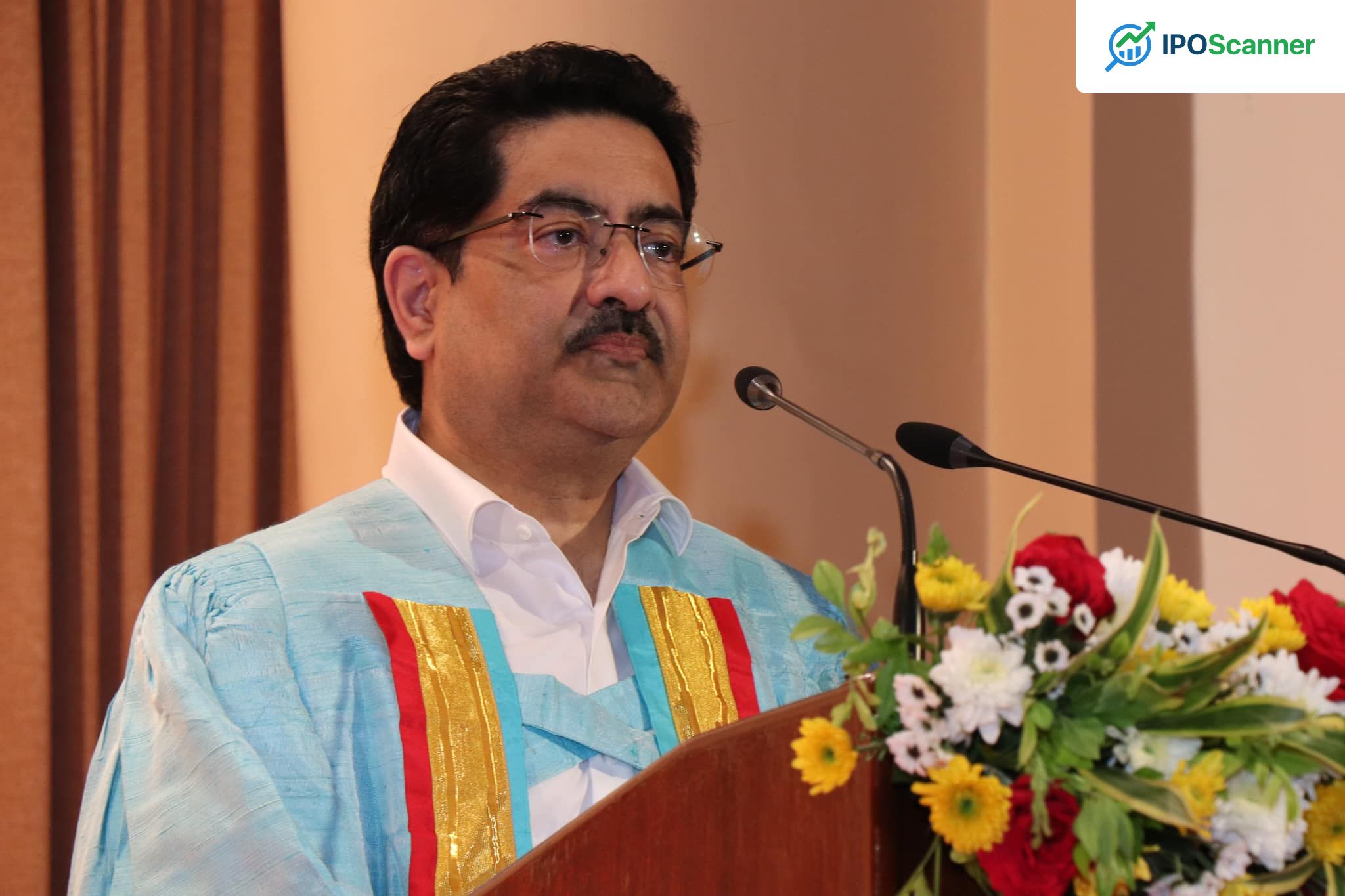
Kumar Mangalam Birla to Address Concluding Function of RSS Training Camp

The Cost of Healthcare: Why Predictability in Medical Inflation is Crucial for Health Insurance

Former Google Executive Warns AI Risks Stem from Human Misuse, Not Technological Limitations