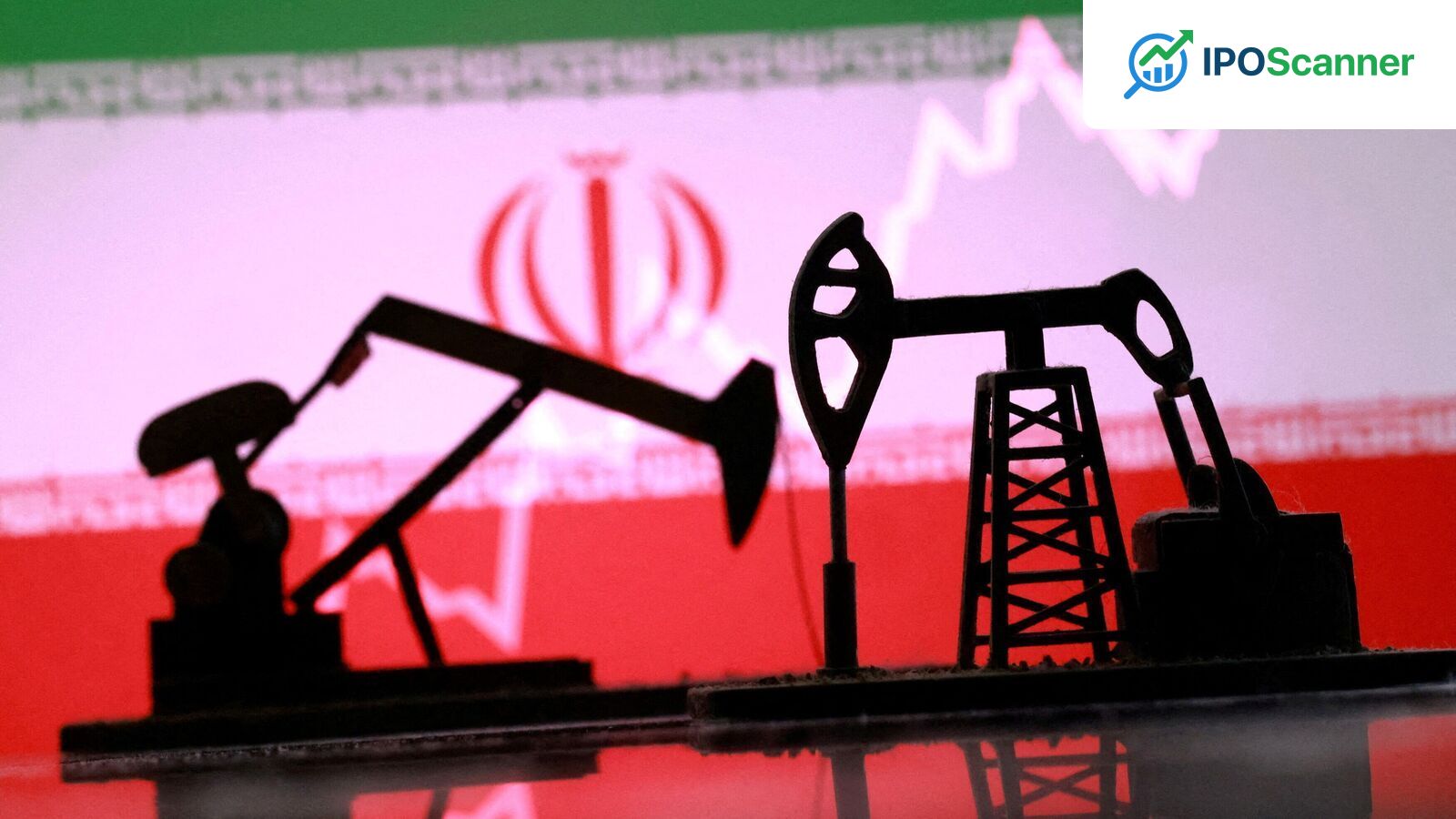
Crude Oil Prices Projected to Reach $150 per Barrel: Implications for Indian Markets and Precious Metals.
Crude Oil Prices Reach Four-Year High, Impacting Indian Economy and Stock Market
Brent crude oil prices have surged to their highest level in four years, reaching above $100 per barrel, as the conflict in the Middle East has resulted in supply disruptions through the Straight of Hormuz, which accounts for nearly 25% of global oil passage. The prices have risen 9% in the second week, with WTI crude futures increasing 6% this week and nearing $96 per barrel.
The conflict has also raised concerns about the potential for oil prices to reach $150 per barrel, with analysts warning that tensions in West Asia must de-escalate to prevent this scenario. According to Kotak Securities, the immediate resistance zone for crude oil prices is $125 per barrel, and if prices break above this level, the market could target the 2008 highs near $145–$150.
The Strait of Hormuz blockade could disrupt approximately 80 million tons per annum (mtpa) of Liquefied Natural Gas (LNG) from Qatar and Abu Dhabi, mainly affecting Asian countries like India, China, Japan, and South Korea, with a daily loss of three cargoes (~230,000 tons).
Read also: Treasury Yields Experience Largest Increase in Two Weeks Following Release of Labor Market Data
Impact on Indian Stock Market
The Middle East conflict has cast a gloom over the Indian stock market, sparking one of the worst declines in recent times. The Nifty 50 index has already lost 8% in March so far, as surging crude oil prices have raised macroeconomic risks like a widening fiscal deficit, pushed the rupee to a record low, spurred Foreign Institutional Investor (FII) selling, and significantly eroded investor wealth.
India is exceptionally vulnerable to this crisis, importing over 85% of its oil needs, with roughly half transiting the Strait of Hormuz. According to Anand Rathi Share and Stock Brokers Limited, a sustained crude oil price of $150 per barrel through FY27 would push India's oil trade deficit to $220 billion, potentially weakening the rupee sharply.
Sectors Exposed to Oil Price Volatility
Read also: US-Iran Tensions Spark Uptick in Oil Prices Amid Global Market Decline
Refining, petrochemicals, fertilisers, aviation, and hospitality are majorly exposed sectors in India. Other sectors like paints, tyres, some auto stocks, Oil Marketing Companies (OMCs), FMCG (discretionary items), Logistics & transport, mining, some banking, and Non-Banking Financial Companies (NBFCs) are impacted on squeezed margins.
Gold and Silver Prices
While the current scenario may seem beneficial for commodities like gold and silver, the relation is not as linear. According to Motilal Oswal Financial Services, the current macro backdrop presents a two-sided dynamic, with geopolitical tensions, investor hedging, and safe-haven demand supporting gold, but rising oil prices could significantly increase inflation pressures, potentially capping gold's upside initially.
Investor Takeaway
Investors should be cautious of potential market volatility due to rising crude oil prices.
More in Economy

Treasury Yields Experience Largest Increase in Two Weeks Following Release of Labor Market Data

US-Iran Tensions Spark Uptick in Oil Prices Amid Global Market Decline

MoSPI Releases Uniform Norms for DDP Estimates with 2022-23 Base Year

