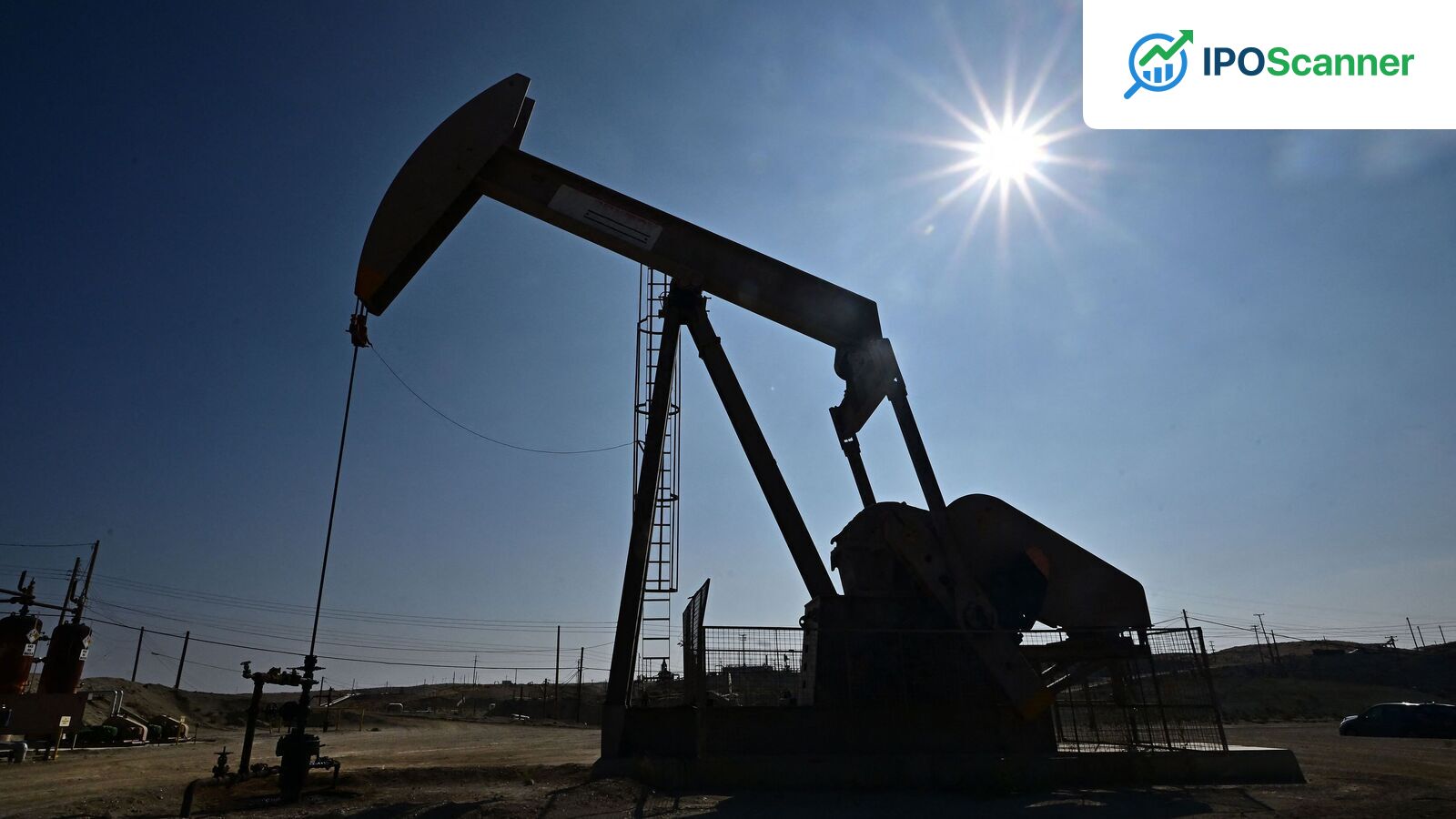
Crude Oil Prices Post 2% Gain Amid Ongoing Middle East Tensions, Brent Trades at $93
US-Iran War Escalation Drives Oil Prices Higher
Oil prices surged over 2% in early trade on Monday, following Israel's decision to advance deeper into Lebanon amid ongoing clashes with the Iran-backed Hezbollah militant group. Despite a ceasefire declared over six weeks earlier, the escalation has dampened hopes for an extension of the ceasefire agreement between the US and Iran.
US crude futures rose $2.37, or 2.71%, to reach $89.73 per barrel, while Brent crude futures gained $2.16, or 2.37%, to reach $93.28 per barrel. Similarly, crude oil prices on the Multi Commodity Exchange (MCX) also witnessed a significant upward movement, with MCX crude oil prices rising as much as 3.15% to ₹8,542 per barrel.
The escalation, which occurred shortly after the US hosted Israel-Lebanon peace negotiations in Washington on Friday, has emerged as the most significant regional fallout from the Iran war. The confrontation began on March 2, when Hezbollah launched rockets and drones into Israel in support of its ally, Iran. Although both sides agreed to a ceasefire in mid-April, exchanges of fire have continued since then.
Read also: Treasury Yields Experience Largest Increase in Two Weeks Following Release of Labor Market Data
US President Donald Trump said on Friday that he would soon decide on a proposal to extend the ceasefire with Iran, which was first announced in early April. The extension would provide negotiators with additional time to pursue a lasting resolution to the conflict and address disputes surrounding Iran's nuclear programme. Israel's participation would be crucial to any agreement, while Iran has repeatedly insisted that Hezbollah must also be part of the discussions.
| Crude Oil Prices | US Crude | Brent Crude | MCX Crude |
|---|---|---|---|
| Monday's Price | $89.73 | $93.28 | ₹8,542 |
| Percentage Change | 2.71% | 2.37% | 3.15% |
Goldman Sachs believes that weaker-than-expected oil demand from China and Europe presents a significant downside risk to its fourth-quarter forecasts of $90 per barrel for Brent crude and $83 per barrel for WTI. However, potential supply disruptions in the Middle East could still drive oil prices higher, it said.
From a technical standpoint, Ponmudi R, CEO of Enrich Money, noted that MCX crude oil closed below the ₹8,300 mark, extending its recent bearish momentum. Ponmudi further stated that the correction reflects a significant unwinding of the geopolitical risk premium as markets increasingly price in the possibility of easing tensions in the Middle East and a gradual normalisation of energy supply concerns.
Read also: US-Iran Tensions Spark Uptick in Oil Prices Amid Global Market Decline
Technical Outlook
| Resistance Levels | Support Levels |
|---|---|
| ₹8,380-₹8,480 | ₹8,200 (immediate support) |
| ₹8,550-₹8,700 | ₹8,080-₹8,000 (lower boundary of the long-term ascending trendline structure) |
Ponmudi noted that the near-term outlook remains cautious and highly headline-driven, with volatility likely to remain elevated as markets continue to monitor developments surrounding the Strait of Hormuz, Middle East diplomacy and broader global energy supply dynamics.
Investor Takeaway
Crude oil prices may remain volatile due to ongoing Middle East tensions.
More in Economy

Treasury Yields Experience Largest Increase in Two Weeks Following Release of Labor Market Data

US-Iran Tensions Spark Uptick in Oil Prices Amid Global Market Decline

MoSPI Releases Uniform Norms for DDP Estimates with 2022-23 Base Year

