Credit Cards to Avoid: High-Interest Categories and Fees
Credit Card Misuse: The Hidden Dangers of Everyday Decisions
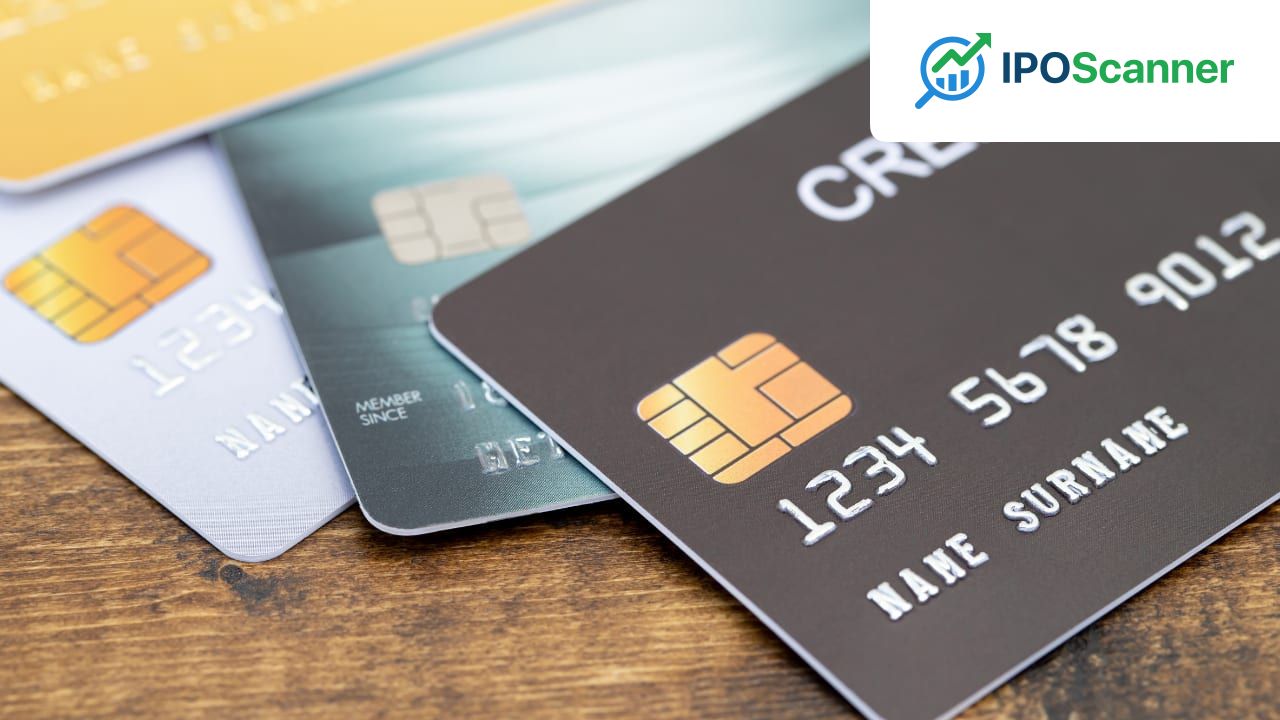
Credit cards are designed to make spending feel smooth, offering rewards points and the convenience of not immediately affecting your bank account. However, this same convenience can lead to misuse if not used carefully.
Most problems with credit cards don't arise from one big mistake, but rather from a series of small decisions that don't feel like much in the moment. This is why where you use your card matters just as much as how much you spend.
Cash Withdrawals: A Costly Option
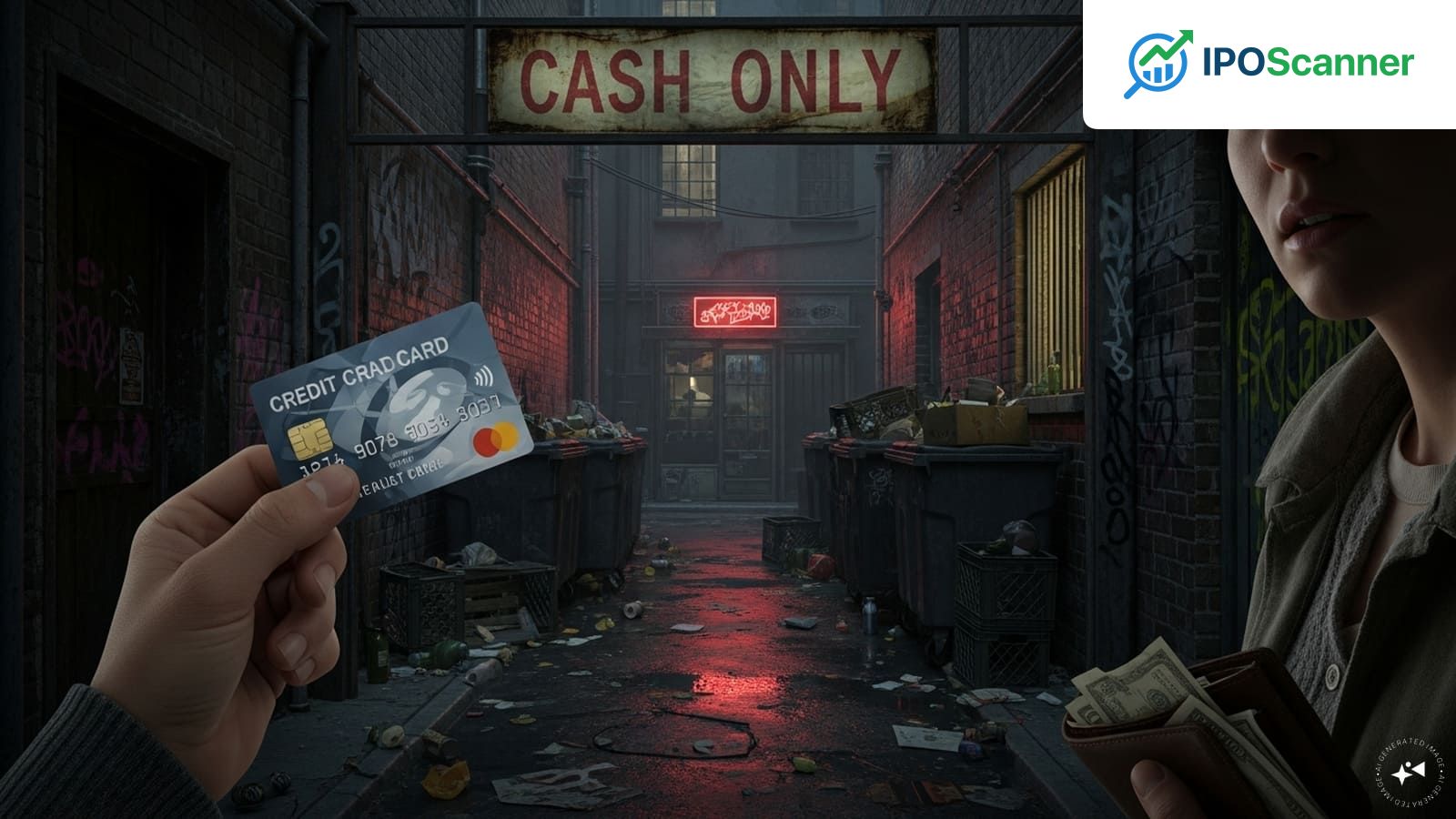
Using a credit card to withdraw cash is one of the most expensive ways to access money. Interest starts getting charged the moment you take out cash, with no interest-free window like you get with regular purchases. On top of that, banks usually add a withdrawal fee, increasing the cost further.
| Withdrawal Method | Cost |
|---|---|
| Cash Withdrawal | Interest + Withdrawal Fee |
| Debit Card | No Interest or Fee |
For something as simple as accessing cash, a debit card is almost always the better option.
Paying Off Other Loans or Credit Cards
Read also: Missing a Single EMI Payment Can Adversely Impact Credit Profile
Using a credit card to manage existing debt often creates a false sense of control. At first, it feels like you've handled the payment, but in reality, the obligation has only moved from one place to another. The interest doesn't stop, and in many cases, it becomes more expensive. This can turn into a cycle where one credit line is used to support another, with the underlying pressure building over time.
Impulse Purchases and Big-Ticket Items
Unplanned spending is where credit cards quietly do the most damage. It's rarely about one large purchase, but rather the smaller ones that add up. Because each individual transaction feels manageable, it doesn't trigger the same caution you might have with cash. By the time the statement arrives, the total often feels higher than expected, even though each decision seemed reasonable at the time.
Large purchases need clarity before they're made, not after. If there isn't a clear plan to repay the amount within the next billing cycle or two, the balance usually rolls forward, and interest kicks in.
Transactions with Extra Charges
Not all credit card transactions are equal. Certain payments, like rent, wallet loads, or specific utility bills, may come with processing fees when done through a credit card. These charges can reduce the benefit of using the card, especially if the rewards earned don't offset the cost.
The Importance of Second Thought
One of the simplest checks is also one of the most effective. If the same purchase would make you pause if you had to pay in cash or from your bank account, that hesitation is worth paying attention to. Credit cards remove that pause, which is why it helps to recreate it consciously. That moment of second thought often tells you more than any budgeting rule.
In the end, credit cards are just a tool. They work well when they're used with intent, and they cause problems when they're used on autopilot. The difference usually comes down to a few everyday decisions that don't feel significant at the time, but add up over time.
More in General
Correcting Credit Score Errors: A Guide to Ensuring Accurate CIBIL Reports and Optimal Loan Eligibility

Missing a Single EMI Payment Can Adversely Impact Credit Profile
EPF Withdrawal Comes with Tax Implications: A Guide to Understanding the Consequences