Credit Card Settlements Can Long-Term Impact Your Creditworthiness
Credit Card Settlements: The Hidden Consequences
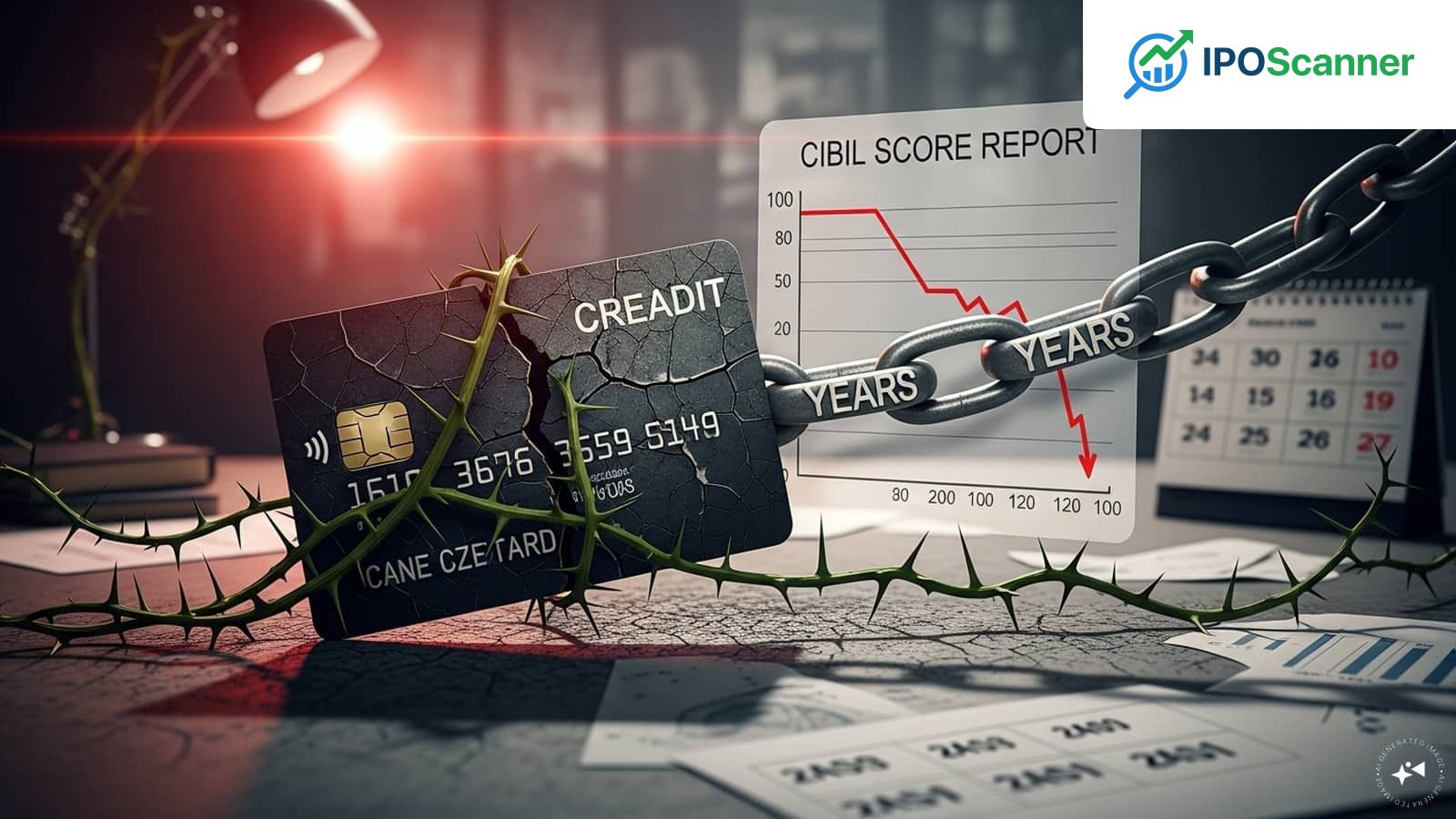
When individuals struggle to repay mounting credit card bills, banks may offer a "settlement" as an alternative to paying the entire outstanding amount. On the surface, this may seem like a relief, but many borrowers are unaware of the long-term consequences of settling a credit card debt.
What is a Credit Card Settlement?
A settlement typically occurs after prolonged missed payments or default. Once the bank believes recovering the full amount may become difficult, it may agree to accept a smaller amount as "full and final settlement." For example, if a borrower owes Rs 2 lakh on a credit card, the bank may agree to close the account after accepting Rs 1.2 lakh or Rs 1.5 lakh.
| Original Amount | Settled Amount |
|---|---|
| Rs 2 lakh | Rs 1.2 lakh |
| Rs 2 lakh | Rs 1.5 lakh |
While this reduces immediate repayment pressure, the lender reports the account as "settled" rather than "closed" or "fully paid" to credit bureaus such as CIBIL. This single word can create problems for years.
Why Settlements Damage Your CIBIL Score
Banks and lenders view settlements as a sign that the borrower could not repay the original loan obligation in full. Even though the bank agreed to the settlement, credit bureaus still record it as a form of compromised repayment. This can significantly reduce a borrower's credit score depending on the severity and duration of the default.
Read also: Missing a Single EMI Payment Can Adversely Impact Credit Profile
In many cases, the impact becomes visible immediately after the settlement is reported. More importantly, future lenders can see this history when evaluating loan or credit card applications. The impact can stay visible for several years, affecting approval decisions for home loans, personal loans, car loans, and even new credit cards.
The Long-Term Consequences of Settlements
One of the biggest misunderstandings borrowers have is assuming that once the settlement amount is paid, the issue disappears. This usually does not happen. Settlement records can remain visible in credit reports for years and may continue affecting approval decisions for future loans.
Many lenders become cautious because a settlement indicates earlier repayment stress. Even if a borrower's score improves later, some banks still manually review old settlement histories before approving large loans. A damaged CIBIL score does not only affect loan approvals; it can also affect loan pricing. Customers with histories of settlements can be provided with smaller limits, tighter loan conditions, or high-interest rates compared to those who have never defaulted before.
When is Settlement a Bad Idea?
In cases where the individual is suffering from extreme financial stress, unemployment, or too much debt burden, it may be better to settle the matter instead of defaulting on the loan entirely. However, this practice is generally recommended only if all other possible avenues have been exhausted, such as loan restructuring, conversion into EMIs, or deferring repayments.
Can a Settled Account be Improved Later?
In some cases, yes. Borrowers may later approach the bank and request permission to pay the remaining balance so the account can be updated from "settled" to "closed" or "fully paid." Rebuilding the credit score afterward requires consistent repayment behavior over time, including paying EMIs on time, keeping credit utilization low, and avoiding fresh defaults.
The Importance of Long-Term Planning
When people are under financial pressure, the focus naturally shifts toward immediate survival. However, credit settlements are one of those financial decisions where the long-term consequences are often underestimated. Borrowers should understand exactly how settlements work before signing any agreement with the bank.
More in General
Correcting Credit Score Errors: A Guide to Ensuring Accurate CIBIL Reports and Optimal Loan Eligibility

Missing a Single EMI Payment Can Adversely Impact Credit Profile

EPF Withdrawal Comes with Tax Implications: A Guide to Understanding the Consequences