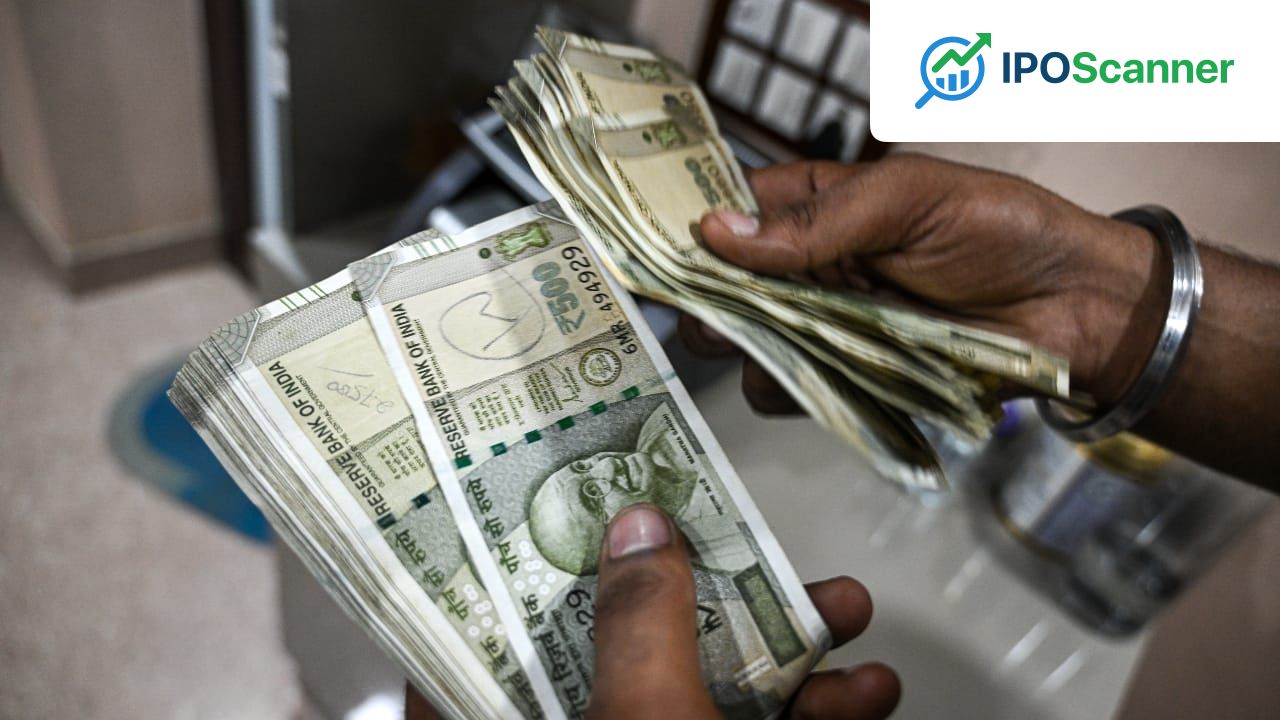
Consumer Spending Resilient in India's 7.7% GDP Growth, Despite Rising Oil and Monsoon Risks
India's Economy Continues to Grow Amid Global Uncertainty
India's real or inflation-adjusted gross domestic product (GDP) grew 7.7 percent in 2025-26, outpacing the previous year's 7.1 percent growth. This increase is a testament to the resilience of consumption spending, which has held firm despite strong geo-economic headwinds and global economic uncertainty.
The latest GDP data, released by the National Statistics Office (NSO) on June 5, showed that real GDP during the fourth quarter ending March 31, 2026 grew 7.8 percent higher than the 7 percent growth recorded during the same quarter of the previous year. Private final consumption expenditure (PFCE), which proxies household spending, grew 7.1 percent during January-March 2026, higher than the 5.6 percent growth in the same quarter last year.
Household spending is a crucial component of India's growth story, with greater spending on consumer goods indicating strong confidence among families about their income levels and spending ability. The GDP data shows that this confidence has held up well, at least until March this year, despite the pervading geopolitical uncertainty and its consequential economic implications.
However, a caveat is in order. The impact of oil prices began feeding into household budgets only since May, when oil marketing companies (OMCs) began raising prices to account for the sharp spike in global crude oil prices. India imports about 80 percent of its fuel needs, making it vulnerable to external instability.
Rising Fuel Prices and Inflationary Pressures
Rising demand for fuel and other petroleum products has resulted in India's reliance on imported crude increasing to a record 88.7 percent of domestic consumption in 2025-26, up from 87.8 percent in 2023-24. Total crude oil imports now stand at 245.3 MMT in 2025-26, up from 234.3 MMT in 2023-24.
The resultant impact on household spending of increased fuel bills will likely show up only in the data for the months beginning in May. Besides rising fuel prices, the sharp decline in the rupee vis-à-vis the dollar has also fanned inflation and pushed up prices. The Reserve Bank of India (RBI) has flagged that inflationary pressures are expected to rise in the coming months, driven by the gradual increase in fuel prices and the possibility that producers will pass on cost pressures through higher final prices for the goods they sell.
Read also: GDP Growth Surpasses Expectations in First Quarter
Government Measures to Boost Foreign Investment
The government has announced measures to attract foreign investment, including an ordinance exempting foreign investors from paying taxes on interest income earned from government securities, as well as on capital gains. The ordinance is effective April 1, 2026, making the benefit applicable retrospectively from the beginning of the current tax year.
Foreign Institutional Investors (FIIs) had to pay a 12.5 percent long-term capital gains tax (LTCG) on government bonds held for more than 12 months. The short-term capital gains tax rate was 20 percent, if the bond was held for less than 12 months. Both these taxes have been scrapped. The withholding tax on interest income earned by foreign investors on government securities has also been eliminated.
These steps were announced to boost foreign capital inflows and stem outflows, supporting the rupee and helping contain the widening current account deficit. The rupee has depreciated around 5 percent against the dollar since the start of the Iran war on February 28.
Investor Takeaway
India's GDP growth remains resilient, driven by consumption spending, despite global economic uncertainty.
More in Economy

Net Exports Contribute 0.3 Percentage Points to FY26 GDP Growth, Turn Positive in Q4 Amid Trade Disruptions
GDP Growth Surpasses Expectations in First Quarter

Government Land Near Gurugram's Golf Course Road Allegedly Encroached for Commercial Purposes, NGT Informed