Comparing Safety and Security: Prepaid Cards versus UPI Transactions for Teenagers
Digital Allowances for Teenagers: Weighing the Risks and Benefits of Prepaid Cards and Wallets
For parents considering digital allowances for their teenagers, the choice between prepaid cards and wallets or UPI setups often boils down to two seemingly straightforward options. However, a closer examination reveals that these alternatives behave very differently and cater to distinct needs.
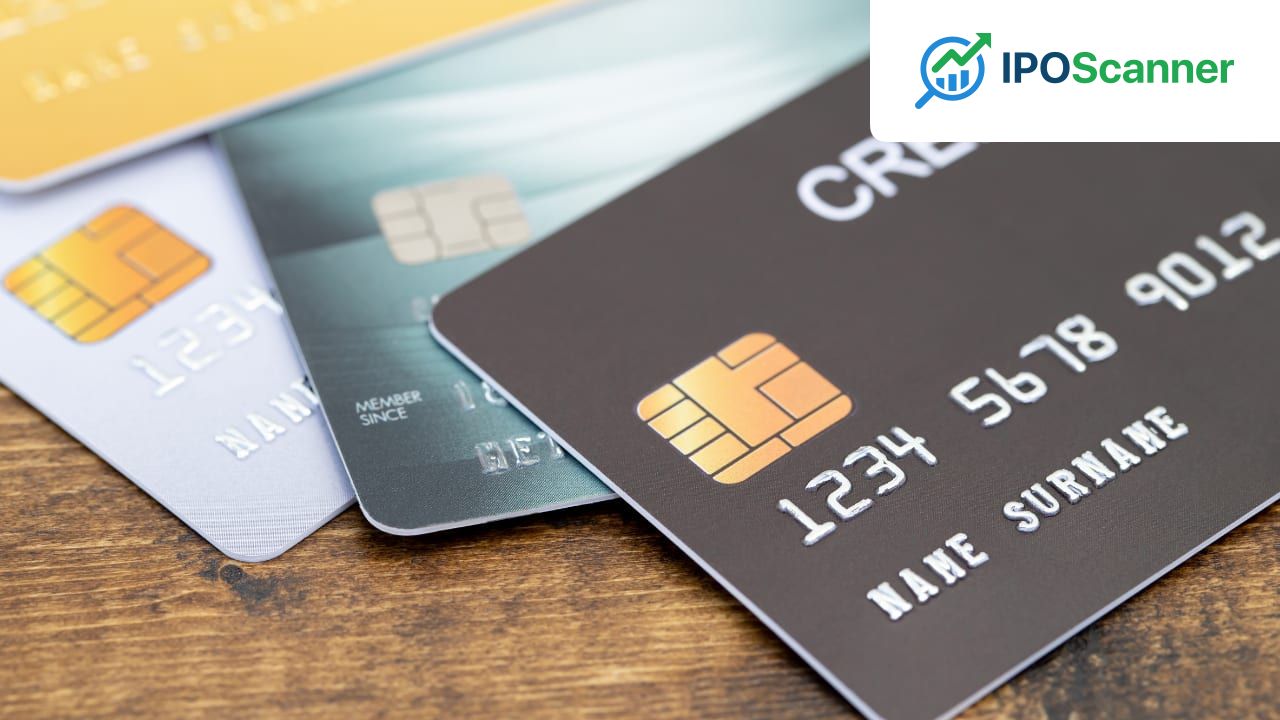
Prepaid cards function as a capped system, where a fixed amount is loaded, and that's the maximum your child can spend. This setup eliminates the risk of direct overdrafts and usually prevents exceeding the loaded amount. Prepaid cards also offer clearer controls, allowing parents to track spending, set limits, and block specific categories, such as gaming or online shopping. If the card is lost or misused, it can be frozen quickly without affecting the main account.
In contrast, wallets or UPI setups feel more flexible, allowing teenagers to make faster, widely accepted payments. They can split bills, order food, and pay for rides, which are essential skills for everyday life. However, this convenience comes with exposure to potential risks. If the wallet or UPI is linked to a bank account, especially the parent's account, the boundary between the digital allowance and the main account becomes blurred. A wrong payment, a scam, or careless spending can have a wider impact.
Comparison of Prepaid Cards and Wallets/UPI
| Feature | Prepaid Cards | Wallets/UPI |
|---|---|---|
| Control | Higher control over spending, with clearer limits and tracking | Less control, with potential for overspending and wider impact |
| Risk | Limited risk, with contained losses | Higher risk, with potential for wider impact and scams |
| Flexibility | Less flexible, with capped spending | More flexible, with faster payments and wider acceptance |
| Visibility | Spending feels more deliberate, with a visible balance | Spending can feel less deliberate, with a blurred sense of limit |
While prepaid cards offer a safer, more controlled experience, wallets and UPI setups provide a more realistic view of how money works in the real world. To strike a balance, many parents use a combination of both. They might use a prepaid card for regular allowance and a wallet or UPI with low limits for specific needs. This approach allows parents to maintain control while giving their teenagers the flexibility they need to develop essential financial skills.
Ultimately, the choice between prepaid cards and wallets or UPI setups depends on the parent's priorities. If control and limited risk are the top concerns, prepaid cards may be the better option. However, if the goal is to help teenagers become comfortable with money management in the real world, wallets and UPI setups can be a more suitable choice, as long as they are used responsibly and with clear boundaries.
Read also: Missing a Single EMI Payment Can Adversely Impact Credit Profile
More in General
Correcting Credit Score Errors: A Guide to Ensuring Accurate CIBIL Reports and Optimal Loan Eligibility
Missing a Single EMI Payment Can Adversely Impact Credit Profile

EPF Withdrawal Comes with Tax Implications: A Guide to Understanding the Consequences