Clone Code Scams at Retail Establishments: Concerns Over QR Code Security
Scam Alert: Be Aware of the Simple Trick That's Stealing Your Money
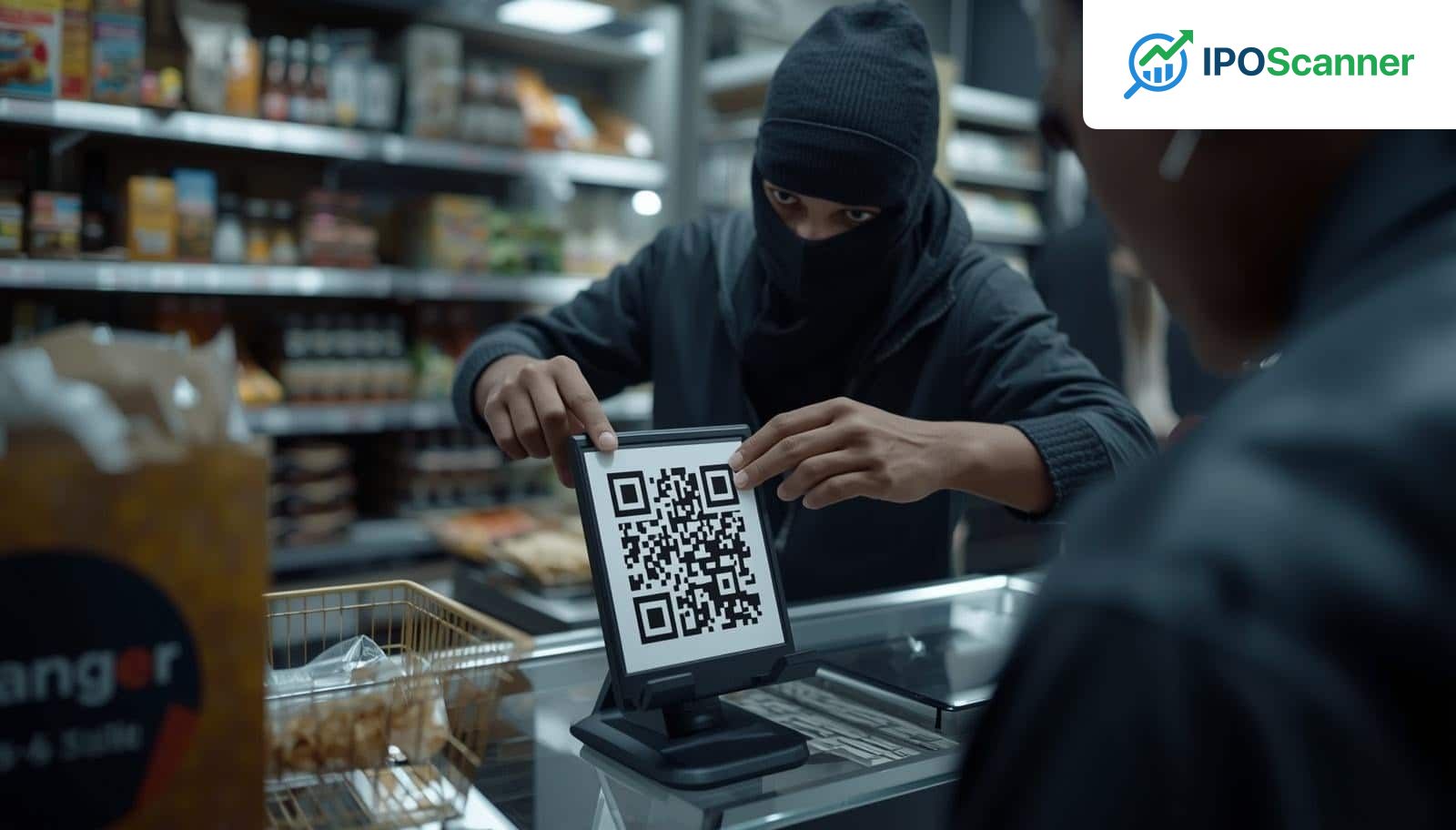
When you scan a QR code to pay for your purchase, you expect the process to be smooth and straightforward. However, a simple trick used by fraudsters can leave you paying the wrong person without even realizing it. This scam involves replacing the original QR code with a fake one, making it nearly impossible to detect.
The process of replacing a QR code is surprisingly easy and can be done in seconds. A fraudster can generate their own UPI QR code linked to their account and then physically place it over the merchant's real QR code. This can be done when the place is busy or when no one is paying attention, making it a low-risk and high-reward scam.
| Method | Description |
|---|---|
| Original QR Code | Merchant's genuine QR code |
| Fake QR Code | Fraudster's generated QR code placed over the original |
| Result | Customer pays the wrong person |
Read also: Kumar Mangalam Birla to Address Concluding Function of RSS Training Camp
Once the fake QR code is in place, every customer who scans it will end up paying the wrong person. The payment will go through smoothly, and the app will behave normally, without any indication that something is off.
The key to avoiding this scam lies in paying attention to the details. Most people don't check the recipient's name before confirming the payment, which is the only real confirmation of where your money is going. This small detail is often overlooked, especially when you're in a hurry.
| Step | Description |
|---|---|
| Original Process | Customer scans QR code, enters amount, and pays |
| Missed Step | Customer fails to check recipient's name |
| Result | Transaction is misdirected to a different account |
Reversing the transaction is not straightforward and depends on reporting it quickly and whether the receiving account can be traced and blocked in time. The solution to this scam is not more technology but better attention. For customers, the most important step is to check the name before confirming the payment. For merchants, regular checks matter, and physically inspecting QR codes, especially in high-traffic areas, can reduce the risk of tampering.
Read also: The Cost of Healthcare: Why Predictability in Medical Inflation is Crucial for Health Insurance
Using digital QR displays or soundbox systems can also reduce the risk of tampering, as they are harder to physically alter. This scam is not a complex cyberattack but a basic, physical trick that relies on our trust in familiar places and our reliance on habit to move quickly through small transactions.
Protect Yourself from This Scam
- Always verify the recipient's name before paying.
- Look closely for stickers, overlays, or anything misaligned.
- Use digital QR displays or soundbox systems when possible.
- Regularly inspect QR codes, especially in high-traffic areas.
- Report any suspicious transactions quickly to minimize the risk of loss.
More in General

Kumar Mangalam Birla to Address Concluding Function of RSS Training Camp

The Cost of Healthcare: Why Predictability in Medical Inflation is Crucial for Health Insurance

Former Google Executive Warns AI Risks Stem from Human Misuse, Not Technological Limitations