Clash Erupts Between BJP and Congress Over Modi's West Asia Crisis Appeal
BJP Hits Back at Rahul Gandhi Over Criticism of Modi's Appeal for Austerity
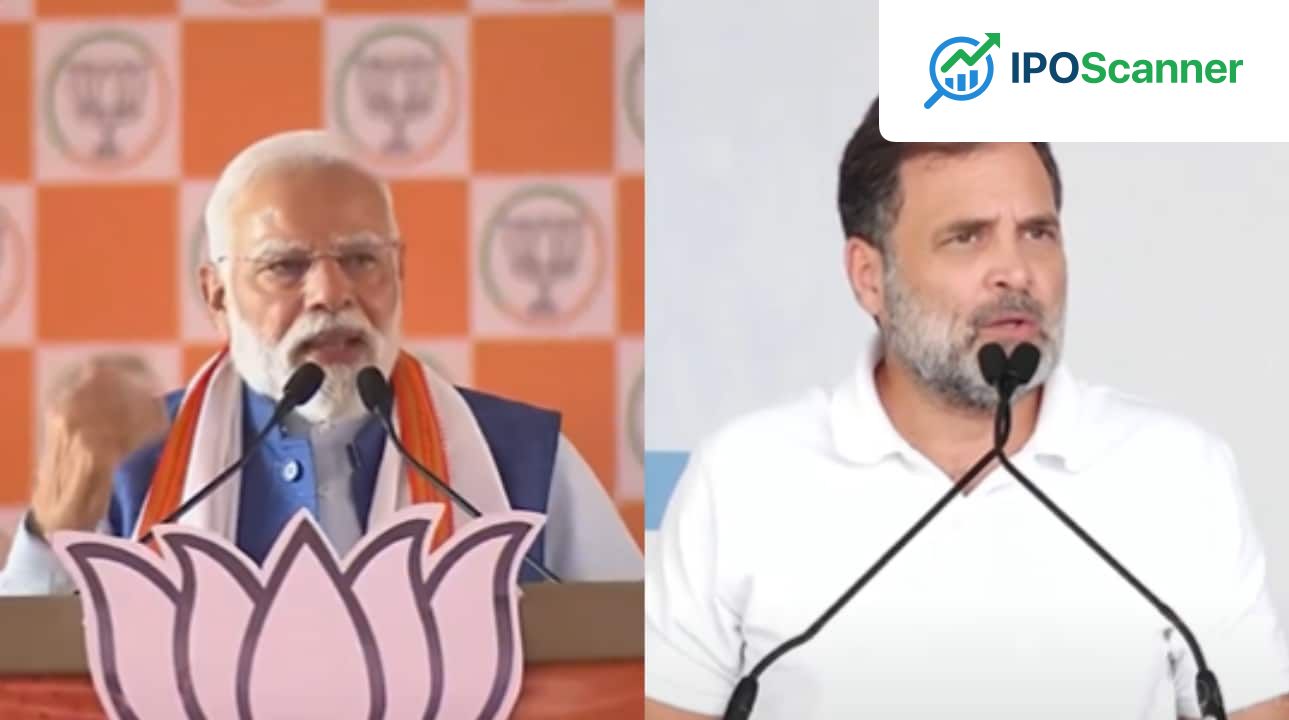
The Bharatiya Janata Party (BJP) has hit back at Rahul Gandhi, the Leader of Opposition in Lok Sabha, over his criticism of Prime Minister Narendra Modi's appeal for austerity amid the West Asia conflict.
The BJP's response came after Gandhi attacked Modi for his appeal to citizens to adopt measures to cope with the impact of the West Asia conflict, calling it "evidence of failure". Gandhi also said that the prime minister's words were "compromised" and that he was no longer capable of running the country.
However, in a sharp rebuttal, BJP national spokesperson Sudhanshu Trivedi asked the opposition if it supports securing India's future, while accusing it of advancing its "political interests by creating social and political disorder".
Read also: Kumar Mangalam Birla to Address Concluding Function of RSS Training Camp
Trivedi pointed out that 85 per cent of India's energy requirements are met through imports, which require foreign exchange, and securing economic and energy security is extremely important for the country's future and that of its citizens.
| Party | Support for Securing India's Future |
|---|---|
| BJP | Yes |
| Congress | No |
The BJP spokesperson also questioned the opposition's perception of the prime minister's intentions, saying that it reflects a flawed understanding of the situation.
Trivedi compared the situation to a ship navigating through a tsunami, saying that if someone blames the captain for the problems, it is because of their own flawed perception.
Read also: The Cost of Healthcare: Why Predictability in Medical Inflation is Crucial for Health Insurance
BJP IT cell head Amit Malviya also weighed in on the issue, saying that Modi did not ask people to make sacrifices but urged them to make conscious choices in the national interest.
Malviya referred to the impact of the West Asia conflict and said that every global crisis affects the entire world. He cited India's first prime minister, Jawaharlal Nehru, to counter Gandhi's attack, saying that Nehru also appealed to the public to fulfill its responsibility in the face of crises.
BJP national spokesperson Pradeep Bhandari also took a swipe at Gandhi, saying that those who do not have "country interest" but only "party interest" in mind would never understand the principle of "nation first".
The controversy began when Modi on Sunday called for judicious use of fuel, postponement of gold purchase and foreign travel, among other measures, to strengthen the economy and conserve foreign exchange amid the crisis in West Asia.
Modi suggested reducing petrol and diesel consumption, using Metro rail services in cities, carpooling, increased use of electric vehicles, utilising railway services for parcel movement and working from home to conserve foreign exchange.
He also called for a reduction in edible oil consumption, lowering the use of chemical fertilisers and promoting natural farming and Swadeshi products to save foreign exchange and make the country self-reliant.
Gandhi responded by saying that Modi's words were not words of counsel but evidence of failure, and that the government was trying to shift the responsibility onto the public to evade its own accountability.
More in General
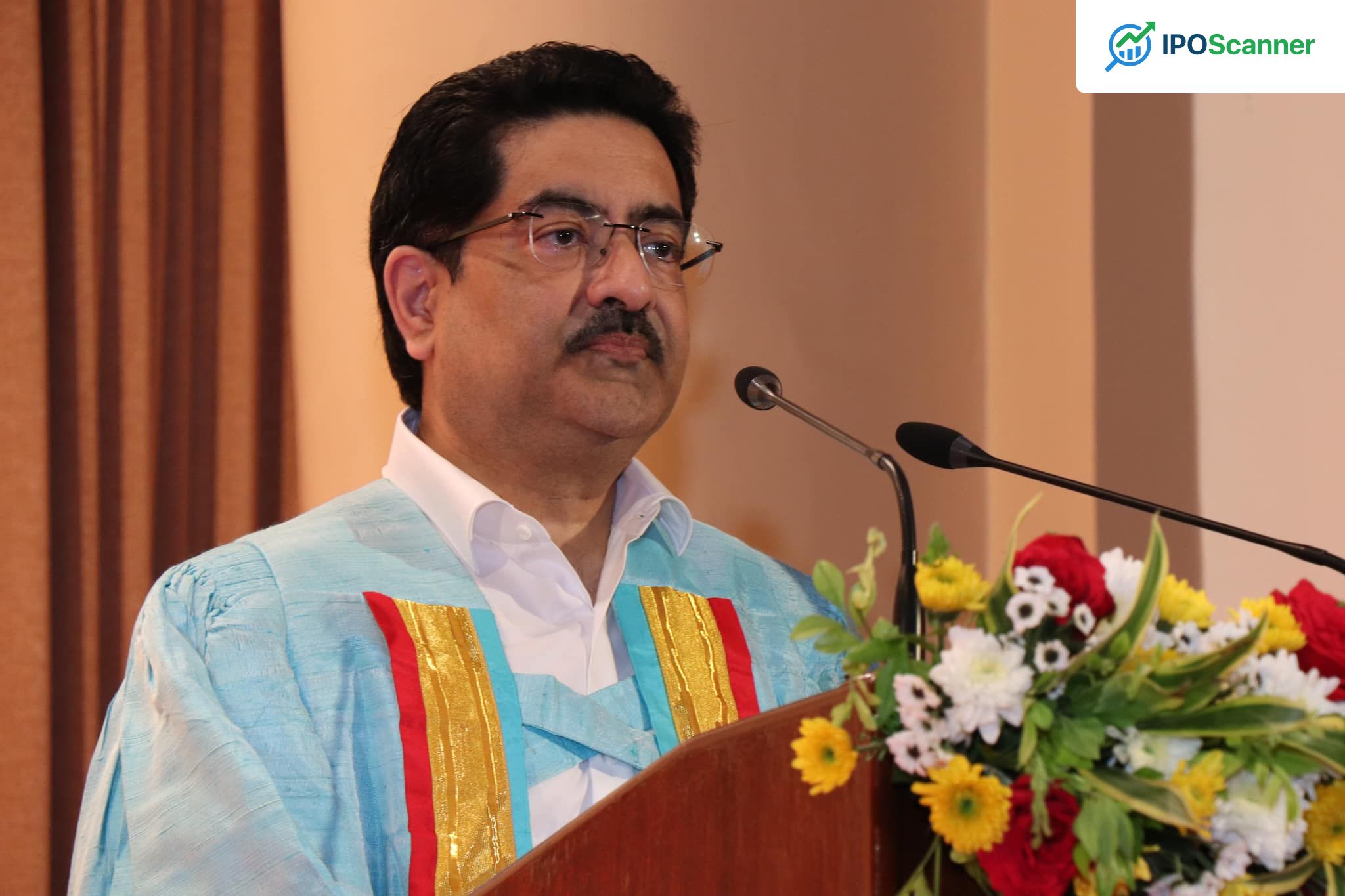
Kumar Mangalam Birla to Address Concluding Function of RSS Training Camp

The Cost of Healthcare: Why Predictability in Medical Inflation is Crucial for Health Insurance

Former Google Executive Warns AI Risks Stem from Human Misuse, Not Technological Limitations