Claims Against Deceased Physicians: A Legal Perspective on Medical Negligence Suits
Supreme Court Ruling Opens Door to Medical Negligence Claims Against Deceased Doctors
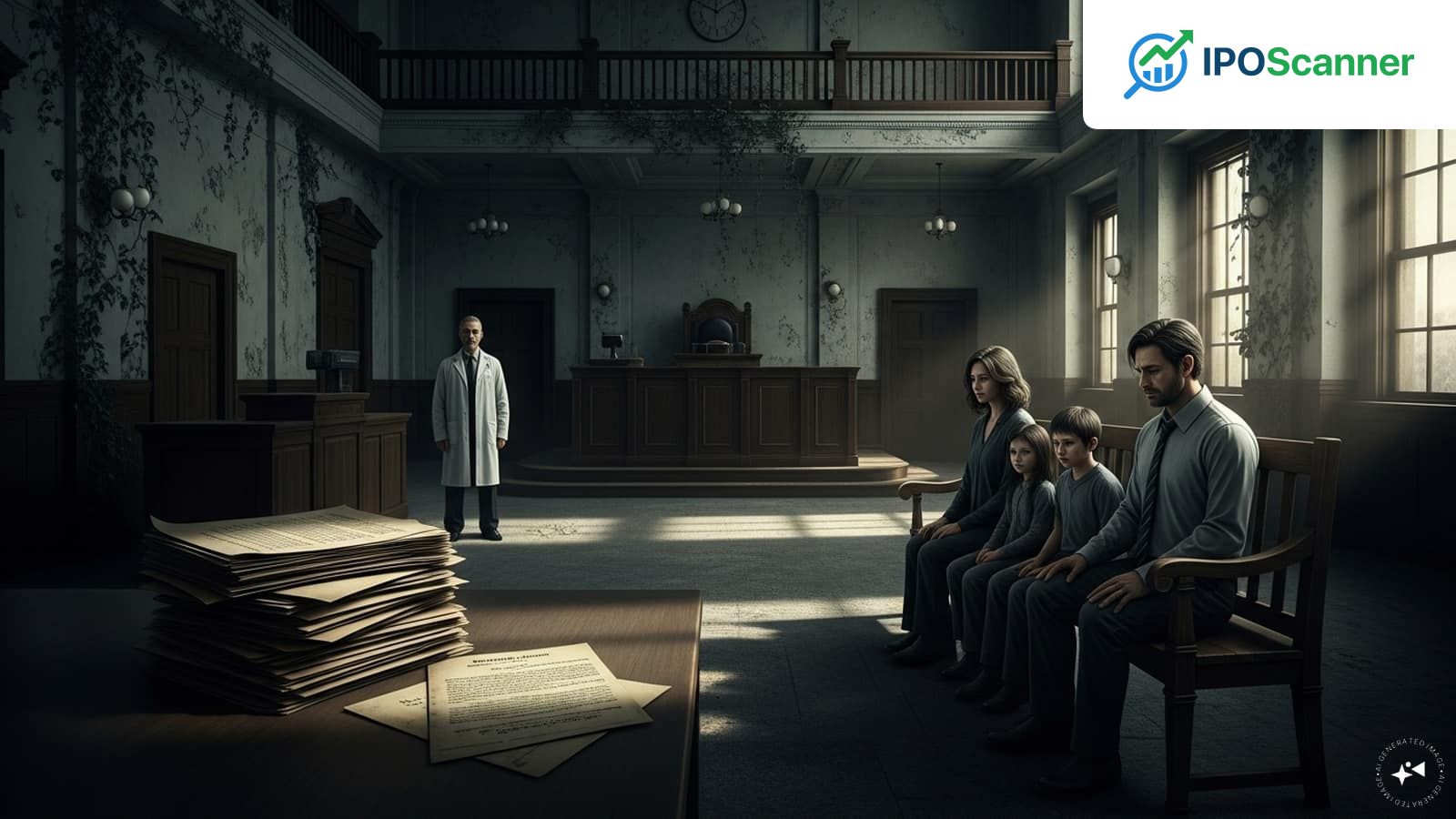
In a landmark judgment, the Supreme Court has clarified that compensation claims in medical negligence cases can continue even after the death of a doctor. The liability in such cases will be limited to the assets inherited by the doctor's legal heirs.
The judgment, delivered by a Bench comprising Justices J K Maheshwari and Atul S Chandurkar, was in relation to a prolonged medical negligence dispute that had moved through consumer forums, including the National Consumer Disputes Redressal Commission (NCDRC). The case involved a complaint filed by a patient's family against ophthalmologist Dr P.B. Lall, who allegedly performed a negligent eye surgery in 1990.
The complainant claimed compensation of Rs 4.5 lakh for medical expenses, loss of eyesight, and mental agony. The District Consumer Forum partly allowed the complaint in 2003 and held the doctor negligent, awarding compensation of Rs 2.6 lakh. However, the State Consumer Commission later overturned that order, observing that the patient was suffering from glaucoma and that no evidence had been produced to prove negligence.
Read also: Kumar Mangalam Birla to Address Concluding Function of RSS Training Camp
During the pendency of the revision petition before the NCDRC, Dr Lall died in 2009. The complainant sought to substitute the doctor's wife and son as legal heirs in the proceedings. The legal heirs opposed this, arguing that medical negligence claims are personal in nature and should end with the death of the doctor.
| Case Timeline | Event |
|---|---|
| 1990 | Dr P.B. Lall performs eye surgery on patient |
| 2003 | District Consumer Forum partly allows complaint, awards Rs 2.6 lakh compensation |
| 2009 | Dr Lall dies; complainant seeks to substitute legal heirs in proceedings |
| NCDRC allows substitution of legal heirs, holds liability to be determined based on pleadings and evidence |
The Supreme Court examined whether compensation claims in medical negligence cases can continue against the legal representatives of a deceased doctor. The bench concluded that "upon the death of the alleged medically negligent doctor, his/her legal heirs can be impleaded and brought on record. Consequently, the extent of liability will be determined based on the pleadings and evidence presented."
The judgment has significant implications for practising doctors. According to Grahita Agarwal, Senior Associate, B. Shanker Advocates LLP, "a doctor's death does not automatically end medical negligence proceedings. Practicing doctors must recognise that their professional exposure extends to their estate. This underscores the importance of robust indemnity insurance and meticulous record-keeping."
Read also: The Cost of Healthcare: Why Predictability in Medical Inflation is Crucial for Health Insurance
The Supreme Court's ruling means that patients can continue proceedings against a doctor's legal heirs, but only to the extent of the estate inherited by them, not against their personal assets. However, legal heirs are entitled to defend the case on behalf of the deceased doctor and can challenge both liability and quantum of compensation.
Experts suggest that doctors can mitigate risk through indemnity coverage and structured estate planning. As Chirag Gupta, Associate Partner, Alpha Partners, noted, "the Supreme Court clarified that medical negligence cases do not automatically end after a doctor's death. Claims seeking compensation from the doctor's estate can continue against the legal heirs, but only up to the value of the assets inherited by them."
More in General
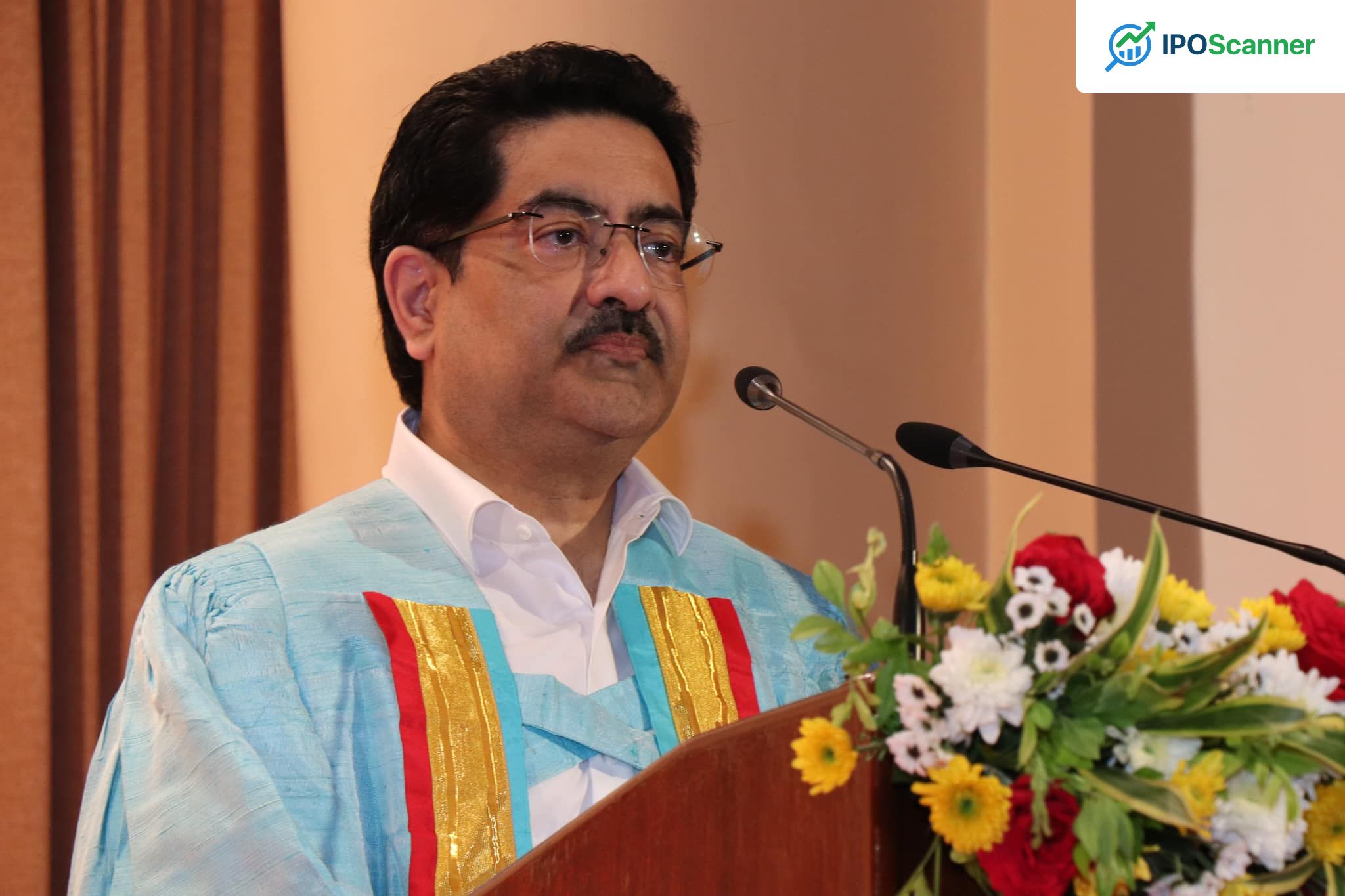
Kumar Mangalam Birla to Address Concluding Function of RSS Training Camp

The Cost of Healthcare: Why Predictability in Medical Inflation is Crucial for Health Insurance

Former Google Executive Warns AI Risks Stem from Human Misuse, Not Technological Limitations