China's Taiwan Policy: A Strategy of Patience and Prudence
China's Assertive Approach to Taiwan: The 2026 Summit and Beyond
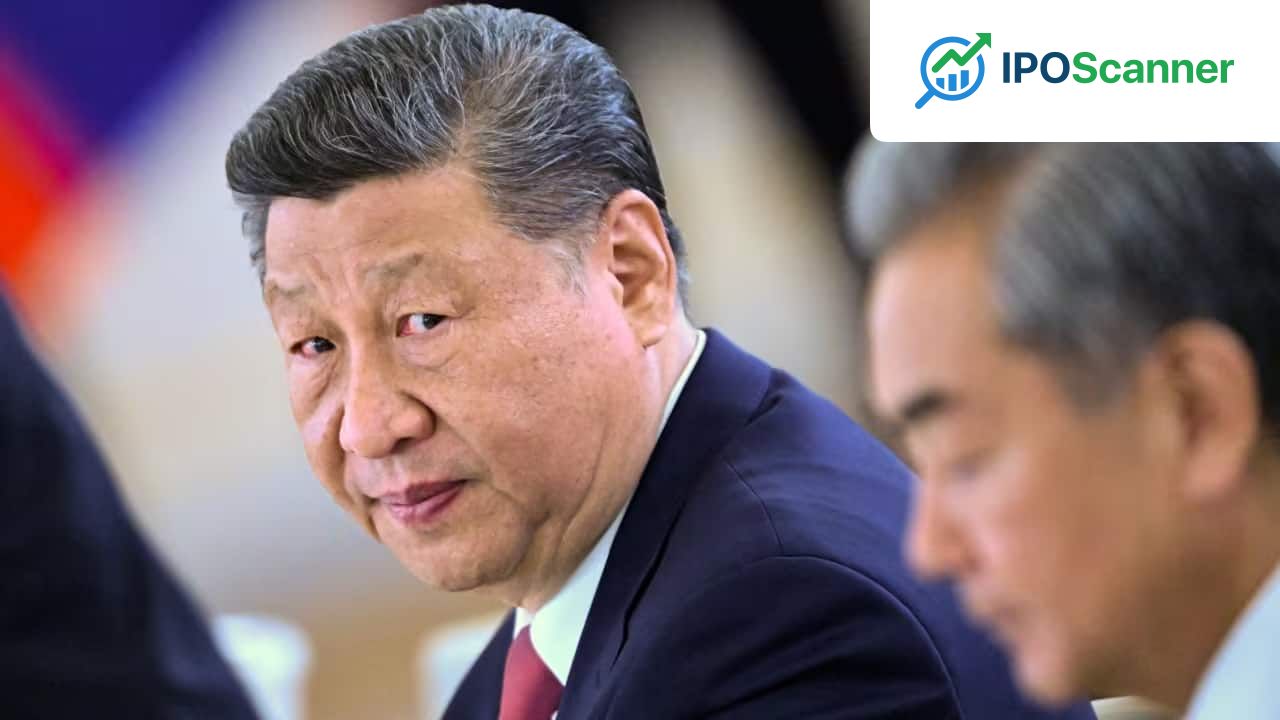
On April 10, 2026, Kuomintang (KMT) Chairwoman Cheng Li-Wun met Chinese President Xi Jinping in Beijing, marking the first summit between the two leaders in a decade. The meeting highlighted the hardening of Beijing's rhetoric and the KMT's softer language, reflecting a widening gap in their intended outcomes.
Xi's Decadal Shift in Observations
A comparative analysis of Xi's remarks to KMT Chairpersons in 2013, 2015, 2016, and 2026 reveals a significant shift in Beijing's preferences towards ideology and urgency. In 2013, Xi emphasized "blood bonds" between compatriots and acknowledged the need for "time, patience, and joint efforts." However, by 2015, he sharpened his rhetoric, warning against "one country on each side" formulations and introducing the concept of a "cross-Strait community with a shared destiny." In 2016, he escalated further, declaring that any declaration of or attempt towards Taiwan's independence was an "inviolable red line." The 2026 meeting saw Xi introduce sweeping new language, tying Taiwan's future to the "Chinese-style path to modernization" and the 15th Five-Year Plan (2026-2030).
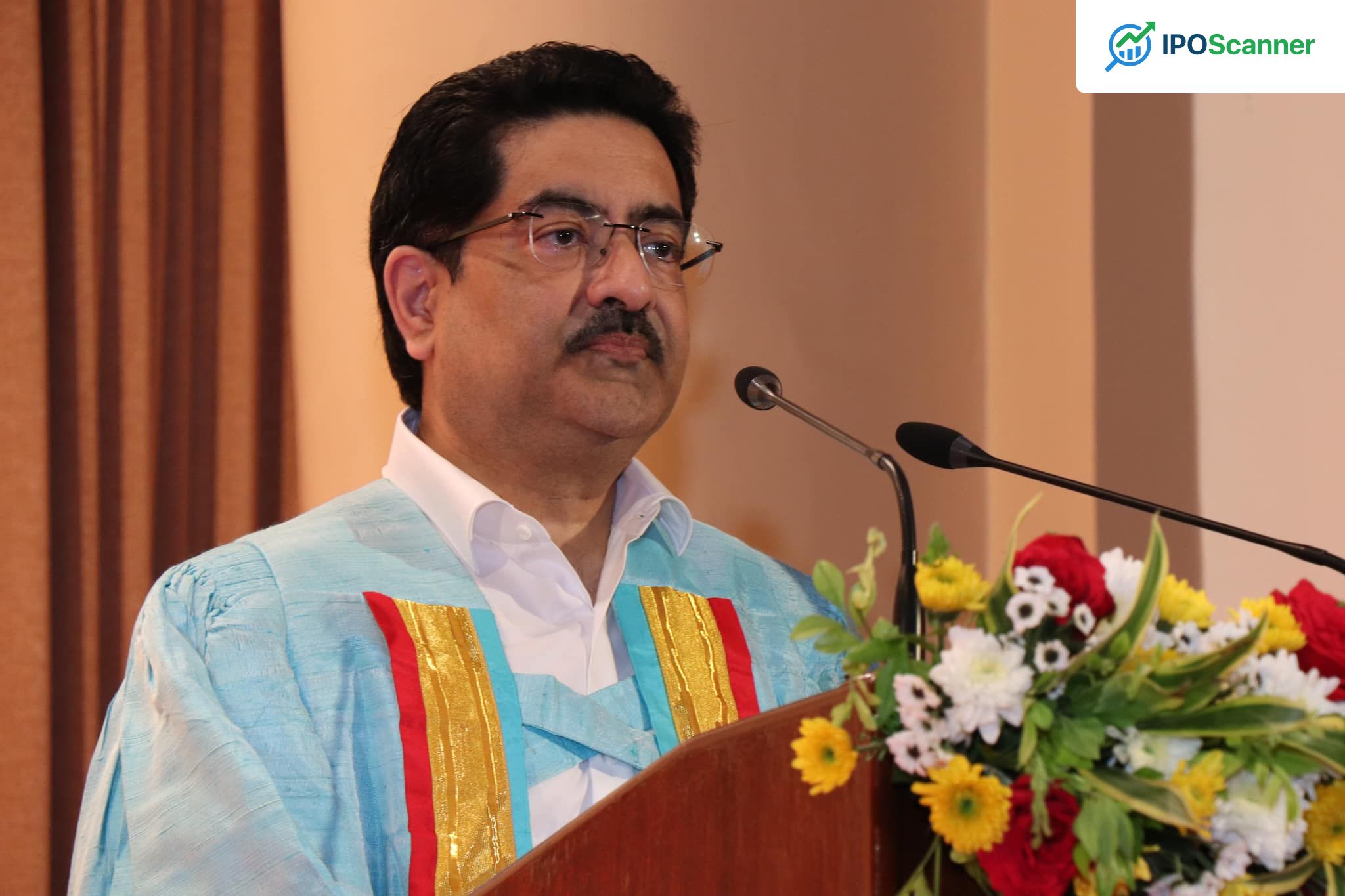
Read also: Kumar Mangalam Birla to Address Concluding Function of RSS Training Camp
| Year | Xi's Remarks | KMT's Response |
|---|---|---|
| 2013 | "Blood bonds" and "time, patience, and joint efforts" | "One China, Respective Interpretations" |
| 2015 | "One country on each side" and "cross-Strait community with a shared destiny" | Endorsing "One China, Same Interpretation" |
| 2016 | "Inviolable red line" and "firm will, full confidence, and sufficient capability" | Advocating for cultural and grassroots exchanges |
| 2026 | "Indivisible territory," "Chinese-style path to modernization," and 15th Five-Year Plan | Emphasizing shared ethnic identity and cultural exchanges |
The KMT's Softening Stance
The KMT's trajectory has moved in the opposite direction, away from political specificity and towards cultural generality. Lien Chan, in 2013, still spoke the KMT's legacy language on "One China, Respective Interpretations," while Hung, in 2016, endorsed "One China, Same Interpretation." However, Cheng's language has emphasized shared ethnic identity and cultural exchanges, reflecting a measured stance.
Taiwan's Interest in US Armaments
Read also: The Cost of Healthcare: Why Predictability in Medical Inflation is Crucial for Health Insurance
The timing of Cheng's visit cannot be considered a coincidence, as Taipei is currently engaged in a debate over a special defense budget of approximately $40 billion, as well as significant financial approvals for American arms purchases. The KMT has repeatedly raised objections to these proposals, leading to physical confrontations within the Yuan premises in 2025.
China's Limitations in Influencing Taiwanese Politics
The KMT can obstruct legislation and sustain a narrative of cross-Strait dialogue, but it cannot fundamentally reshape Taiwan's foreign policy orientation or its deepening security ties with Washington. The DPP, with which Beijing refuses to engage, commands executive authority and maintains the more consequential relationship with the US.
US Engagement in West Asia
Beijing's interpretation of American military and diplomatic overstretch in West Asia may also play a crucial role in its assessment of the situation. The ongoing US-Israel war on Iran has consumed significant American resources, leaving fewer for direct, simultaneous confrontations in the Indo-Pacific. Any protracted commitment to the Iran conflict will likely impact any plans of unconditional support to Taiwan's security in Washington.
Conclusion
The 2026 summit highlights the widening gap between Beijing's and Taipei's intended outcomes, with China's assertive approach aimed at obstructing Taiwan's defense preparations and fracturing cross-Strait consensus. However, Beijing's strategy may be constrained by its limitations in influencing Taiwanese politics and the US's commitment to Taiwan's security. As the regional situation continues to evolve, Beijing will likely sustain its under-the-threshold coercive measures vis-à-vis the island, while waiting for a more opportune moment to pursue reunification.
More in General
Kumar Mangalam Birla to Address Concluding Function of RSS Training Camp

The Cost of Healthcare: Why Predictability in Medical Inflation is Crucial for Health Insurance

Former Google Executive Warns AI Risks Stem from Human Misuse, Not Technological Limitations