Bengaluru Restaurant Imposes Gas Crisis Charge Amid LPG Supply Shortage
India's LPG Shortage Affects Restaurants and Consumers
Key Figures:
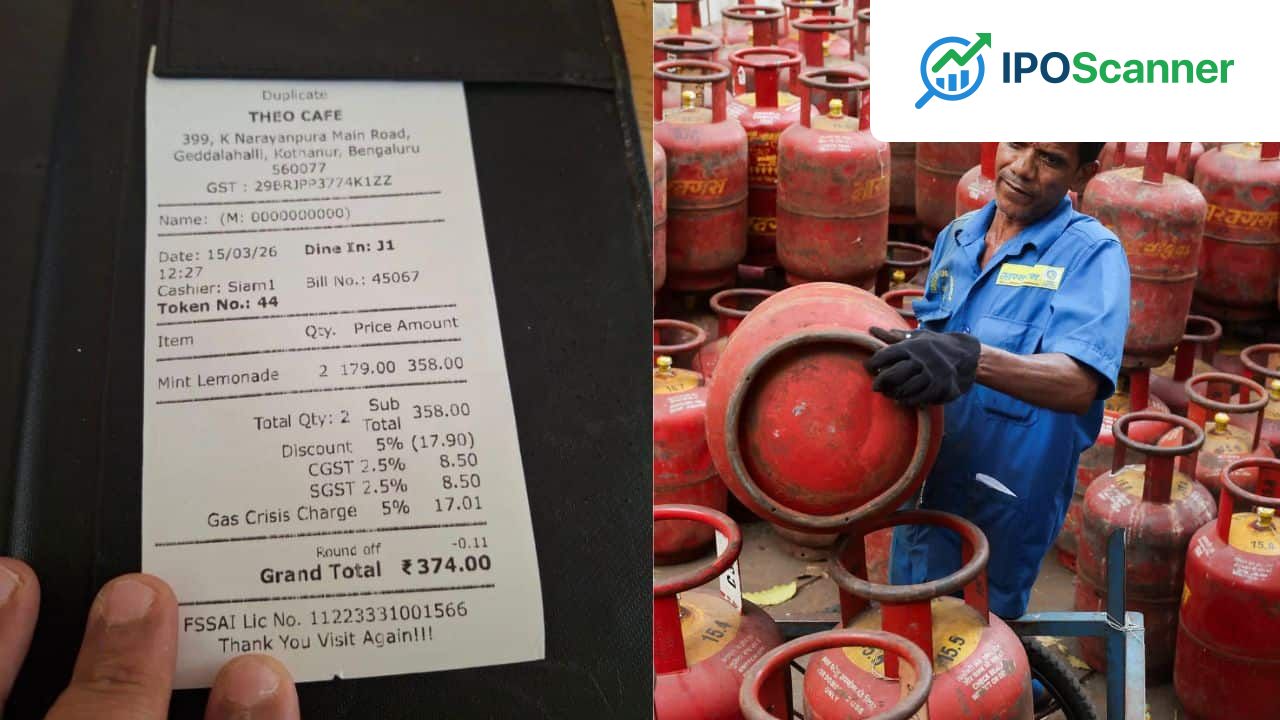
- Rs 179: Price of a mint lemonade at Theo Café
- 5%: Gas Crisis Charge rate
- Rs 17.01: Amount of Gas Crisis Charge on a mint lemonade
- Rs 374: Total amount after applying CGST, SGST, and Gas Crisis Charge
- Rs 50000: Maximum penalty for unfair trade practices under the Consumer Protection Act 2019
The Situation:
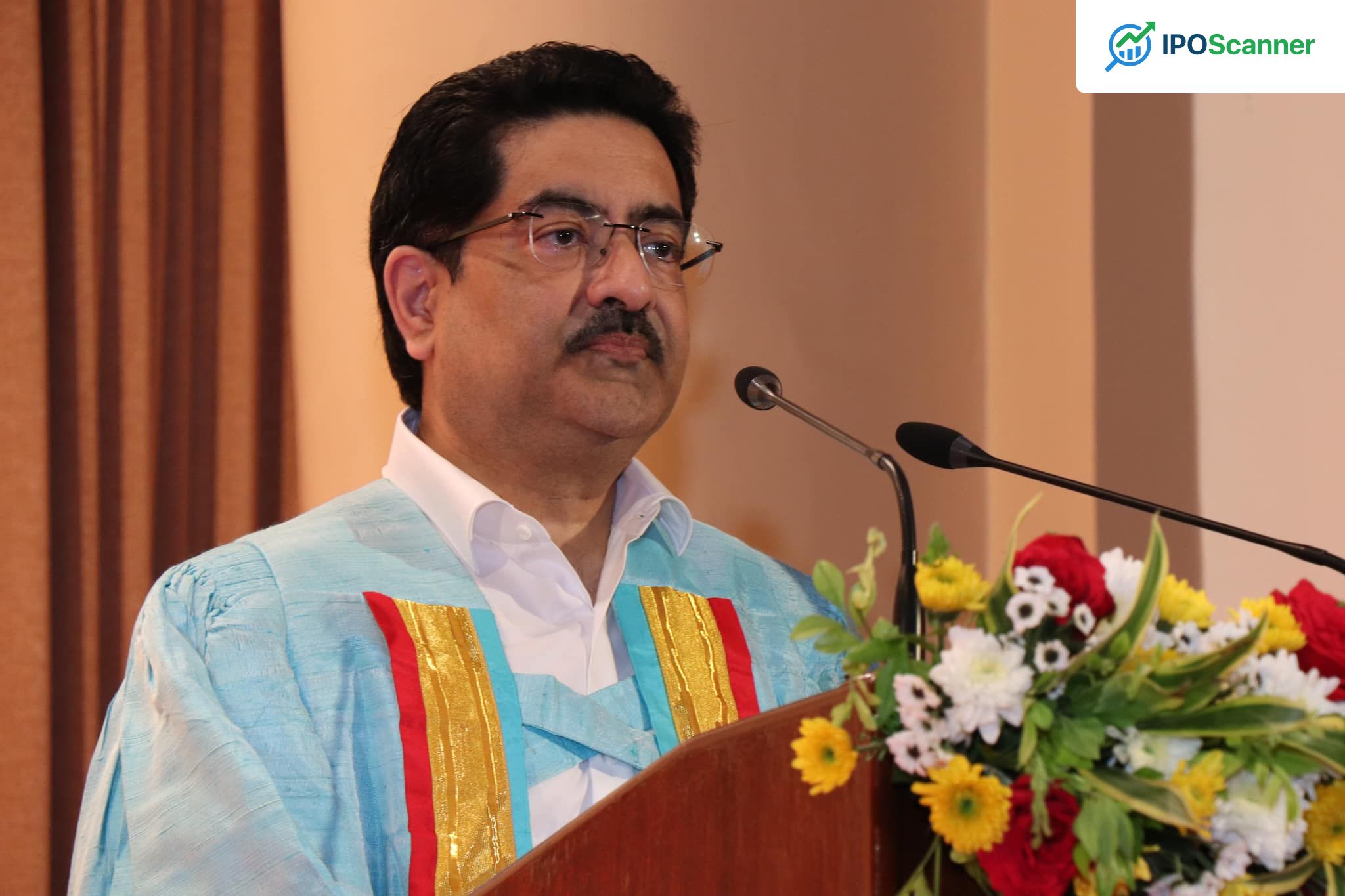
Read also: Kumar Mangalam Birla to Address Concluding Function of RSS Training Camp
A recent bill from Theo Café in Bengaluru has sparked online discussion regarding a Gas Crisis Charge added to a customer's order. The bill showed a 5% charge of Rs 17.01 on two mint lemonades priced at Rs 179 each, making the total Rs 374 after applying CGST and SGST of 2.5% each.
Industry Impact:
The LPG shortage, triggered by global gas supply disruptions due to the Middle East war, has resulted in interruptions in LPG supplies to hotels and restaurants across India. Restaurants in metropolitan cities are facing the biggest impact, with several reporting a shortage of commercial LPG cylinders. To manage the situation, some restaurants have trimmed their menus, removed certain items, or moved to alternative energy options.
Consumer Response:
Read also: The Cost of Healthcare: Why Predictability in Medical Inflation is Crucial for Health Insurance
The Gas Crisis Charge has left many consumers confused and concerned. Several users have argued that restaurants already include multiple taxes and fees, making a separate "gas crisis" charge excessive. Others have pointed out that the charge may be an unfair trade practice, as per the Consumer Protection Act 2019.
Investor Takeaway
This news does not have a direct impact on investor decisions.
More in General
Kumar Mangalam Birla to Address Concluding Function of RSS Training Camp

The Cost of Healthcare: Why Predictability in Medical Inflation is Crucial for Health Insurance

Former Google Executive Warns AI Risks Stem from Human Misuse, Not Technological Limitations