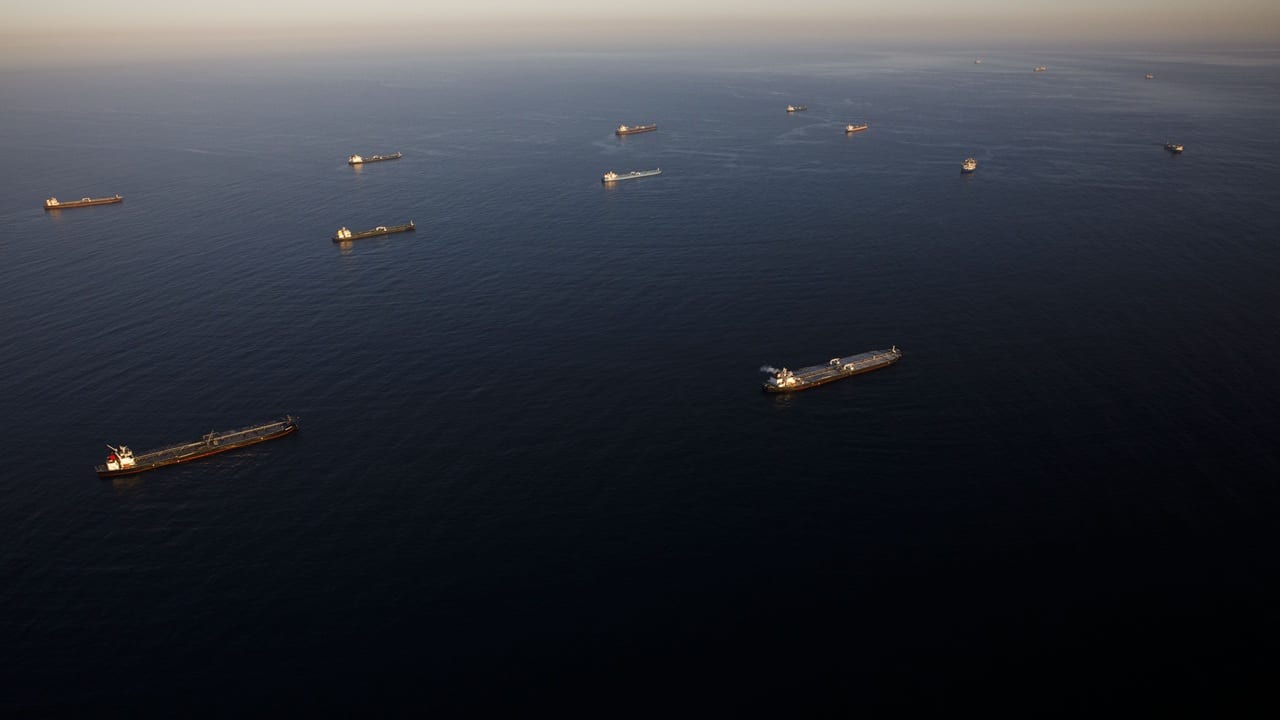
Asian Oil Refiners Consider Reducing Run Rates Amid Hormuz Strait Congestion
Asian Oil Refiners Consider Run Cuts Amid Middle East Tensions
Key Points:
- Asian oil refiners are considering reducing operating rates due to concerns over access to Middle Eastern crude amid the widening Middle East war.
- Major processors are looking at run cuts of 20% to 30%, with Chinese and Japanese refiners, particularly state-owned and larger companies, most likely to reduce rates.
- About 20% of the world's oil passes through the Strait of Hormuz, which has seen a 80% decline in maritime traffic since the escalation of the conflict.
Impact on Asian Refineries
Read also: Treasury Yields Experience Largest Increase in Two Weeks Following Release of Labor Market Data
Asian markets, including China, India, South Korea, and Japan, are heavily reliant on oil that needs to transit the Strait of Hormuz. These countries typically take cargoes on long-term contracts from producers such as Saudi Arabia, Iraq, and the United Arab Emirates. The slow passage of ships through the Strait due to the conflict has made it difficult for refineries to replace these shipments with alternative sources from the Americas, Europe, and Africa.
Refinery Response
Refineries are cutting runs out of fear of not getting the Middle Eastern crude they want, despite healthy fuel-producing profits. The price of alternative barrels from the Atlantic Basin will be high due to expensive freight costs, creating a "strange phenomenon" of processors reducing activity despite profitable conditions.
Chinese Refineries Most Vulnerable
Read also: US-Iran Tensions Spark Uptick in Oil Prices Amid Global Market Decline
State-owned plants, such as Cnooc Ltd. and China Petroleum & Chemical Corp., as well as larger private refiners like Zhejiang Petrochemical Co., are more vulnerable to the war in the Middle East. These refineries usually avoid buying sensitive crudes from Russia and Iran, making them more reliant on Middle Eastern supplies.
Replacement Options
Refineries typically have at least two-to-three weeks of crude inventories to cushion them from any short-term delays or supply disruptions. Replacement options in Asia include oil from Middle Eastern producers that load outside the Persian Gulf, regional crudes from Malaysia and Vietnam, as well as supplies in storage in China, South Korea, and Japan.
Investor Takeaway
Investors should be prepared for potential disruptions in oil supply and demand due to the Hormuz Strait congestion.
More in Economy

Treasury Yields Experience Largest Increase in Two Weeks Following Release of Labor Market Data

US-Iran Tensions Spark Uptick in Oil Prices Amid Global Market Decline

MoSPI Releases Uniform Norms for DDP Estimates with 2022-23 Base Year

