Asian Markets Plunge Amid Escalating US-Iran Tensions: A Deep Dive into the Likely Impacted Regions
Asian Equities Decline Amid Middle East Conflict and Rising Oil Prices
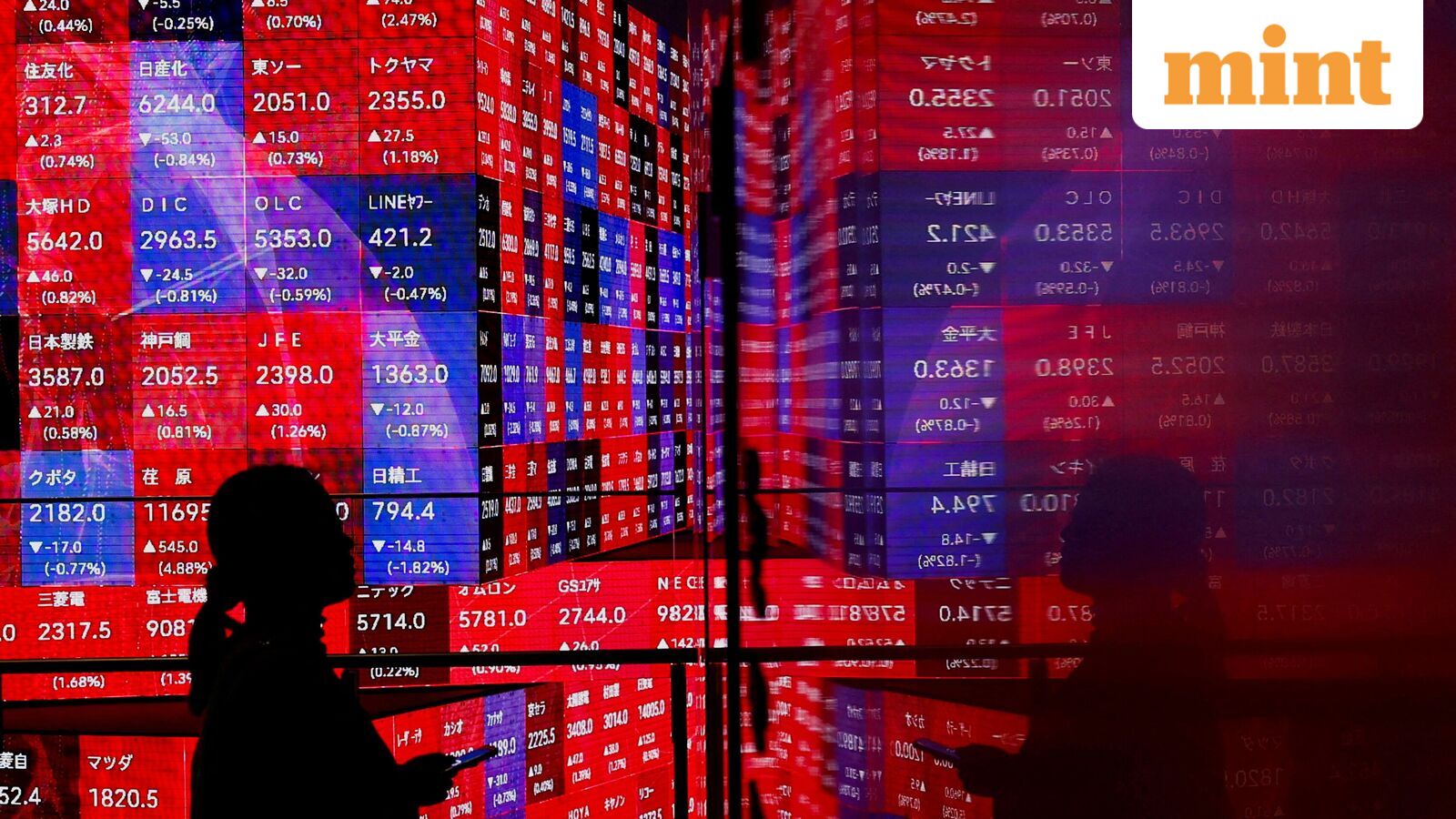
The MSCI Asia Pacific Index fell by as much as 2% on Tuesday, extending Monday's 1.7% decline, as intensifying conflict in the Middle East and rising oil prices rattled investor confidence. Regional markets are bracing for heightened volatility, with South Korea leading losses as trading resumed after a holiday, with the Kospi plunging up to 4.1%.
Japan's Nikkei 225 fell 2.3%, while S&P 500 e-mini futures declined 0.6%, signaling lingering global nervousness. Wall Street managed to stabilize after a volatile session, with the S&P 500 recovering from early losses to close flat and the Nasdaq Composite gaining 0.4%.
The underlying uncertainty remains unresolved, with an official from Iran's Revolutionary Guards declaring that the Strait of Hormuz has been closed to marine traffic and warning that any ship attempting to pass would be targeted. The strategic chokepoint handles a significant portion of global oil shipments, making it a flashpoint for energy markets.
Brent crude futures rose another 2% to $79.22 on Tuesday, while benchmark European and Asian LNG prices jumped approximately 40% in a single session, underscoring the scale of supply fears.
According to Invesco, Asia remains particularly exposed to sustained oil price increases due to its dependence on imported energy and high trade openness. The firm cautioned that prolonged tensions carry downside risks for regional growth and that the duration and persistence of elevated oil prices will ultimately determine the economic fallout.
Invesco's key findings include:
- Thailand, India, South Korea, and the Philippines are particularly vulnerable due to heavy oil import dependence.
- Malaysia, as an energy exporter, could fare relatively better.
- Currencies such as the Indian rupee and Korean won may face near-term headwinds.
- The evolving semiconductor cycle, driven by robust AI capital expenditure, remains a key support for the region's macro outlook.
- Policymakers could respond with looser monetary policy and additional fiscal stimulus if growth slows temporarily due to higher oil prices.
Read also: Treasury Yields Experience Largest Increase in Two Weeks Following Release of Labor Market Data
Investment Implications
From an investment standpoint, Invesco identified Thailand, India, South Korea, and the Philippines as particularly vulnerable due to heavy oil import dependence. However, the firm struck a cautiously optimistic tone regarding equities, suggesting that any downdraft could be a buying opportunity.
Investor Takeaway
Investors should be prepared for heightened volatility in the region due to escalating US-Iran tensions.
More in Market

SpaceX Seeks Record $75 Billion IPO, Potentially Positioning Elon Musk as the World's First Trillionaire

Treasury Yields Experience Largest Increase in Two Weeks Following Release of Labor Market Data

US-Iran Tensions Spark Uptick in Oil Prices Amid Global Market Decline